View methods side by side.
Choose up to four methods. Add them using the search and share the comparison by copying its link.
| Criterion | 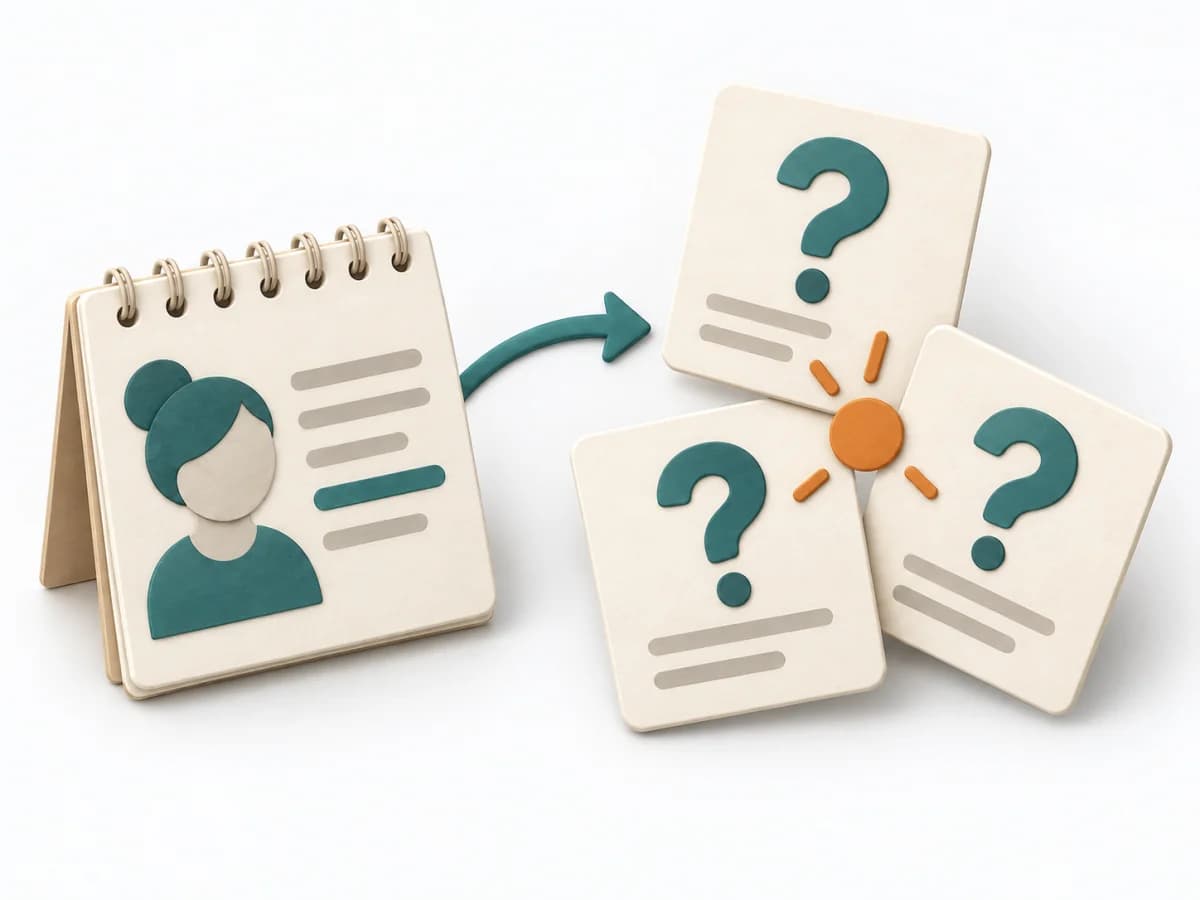 Innovation How Might We | 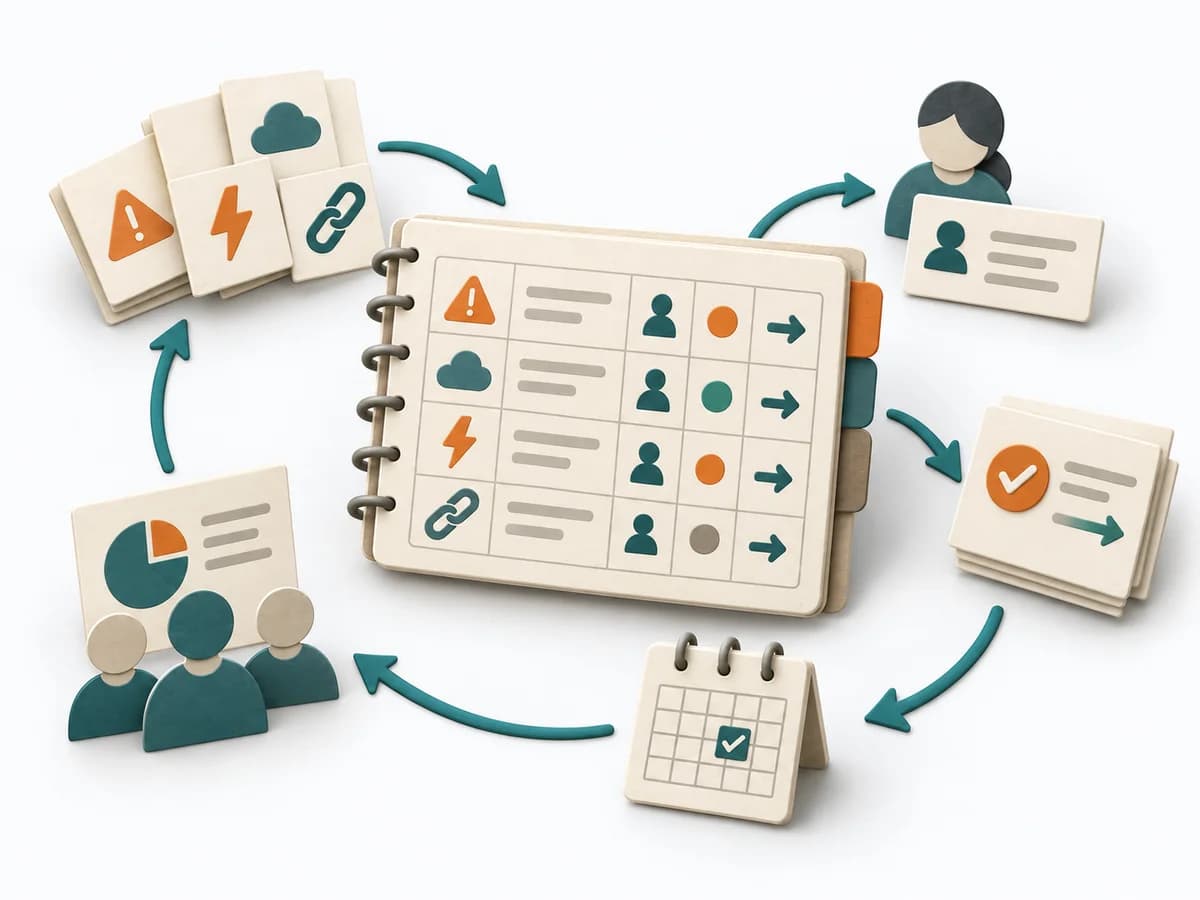 Delivery RAID Log |  Facilitation Stakeholder Mapping |
|---|---|---|---|
Purposedifferent | With a stuck problem carrying many implicit assumptions, the method translates observations into open, workable questions. It sharpens the problem frame without pre-thinking the solution, turning frustration or fuzziness into a search space with clear direction. | Helps clarify scope, sequence, and delivery flow in concrete terms. It makes work, boundaries, and order steerable. The result is captured as a RAID Log and a source for status reporting. | When an initiative depends on many people, interests, and power dynamics, Stakeholder Mapping systematically orders the environment. It shows who influences, who is affected, and where relationship management or safeguarding matters first. |
Complexitysame | Low | Low | Low |
Timedifferent | 30–45 min | 30 min Setup, dann laufend | 60–90 min |
Participantsdifferent | 1-10 | 1-3 maintaining, briefing for everyone | 2-8 |
Formatdifferent | Workshop + async | Async | Workshop + async |
Outputdifferent | HMW Questions, Challenge Framing, Idea Prompts | RAID Log, Status Report Source | Stakeholder Map, Engagement Plan, Risk Notes |
Tagsno overlap | FramingOpportunityIdeationQuestions | RiskTrackingStakeholdersGovernance | StakeholdersAlignmentFacilitationChange |
Often compared together
Methods with strong topical overlap with the current selection, not yet in the comparison.



