View methods side by side.
Choose up to four methods. Add them using the search and share the comparison by copying its link.
| Criterion |  Business Strategy GAP Analysis | 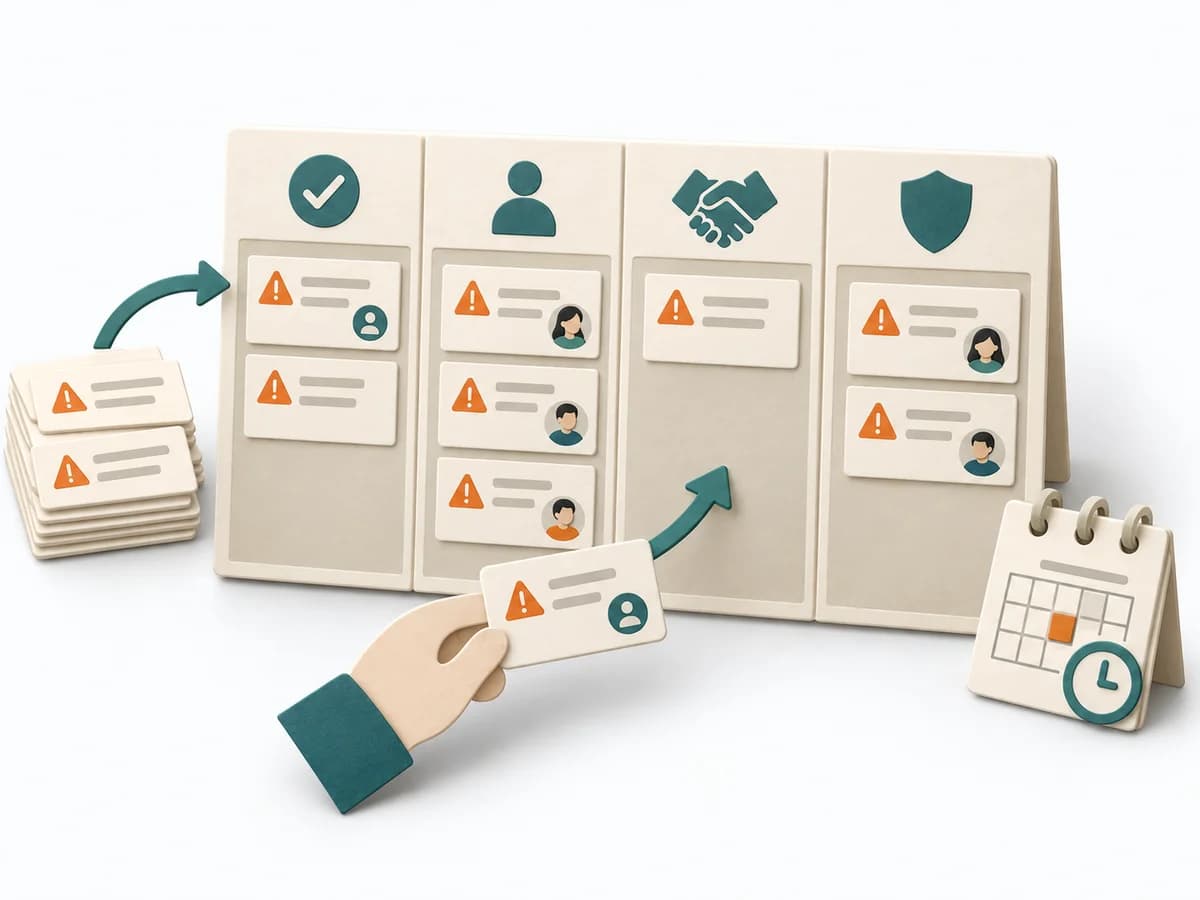 Agile ROAM Board |  Product Discovery Assumption Mapping |
|---|---|---|---|
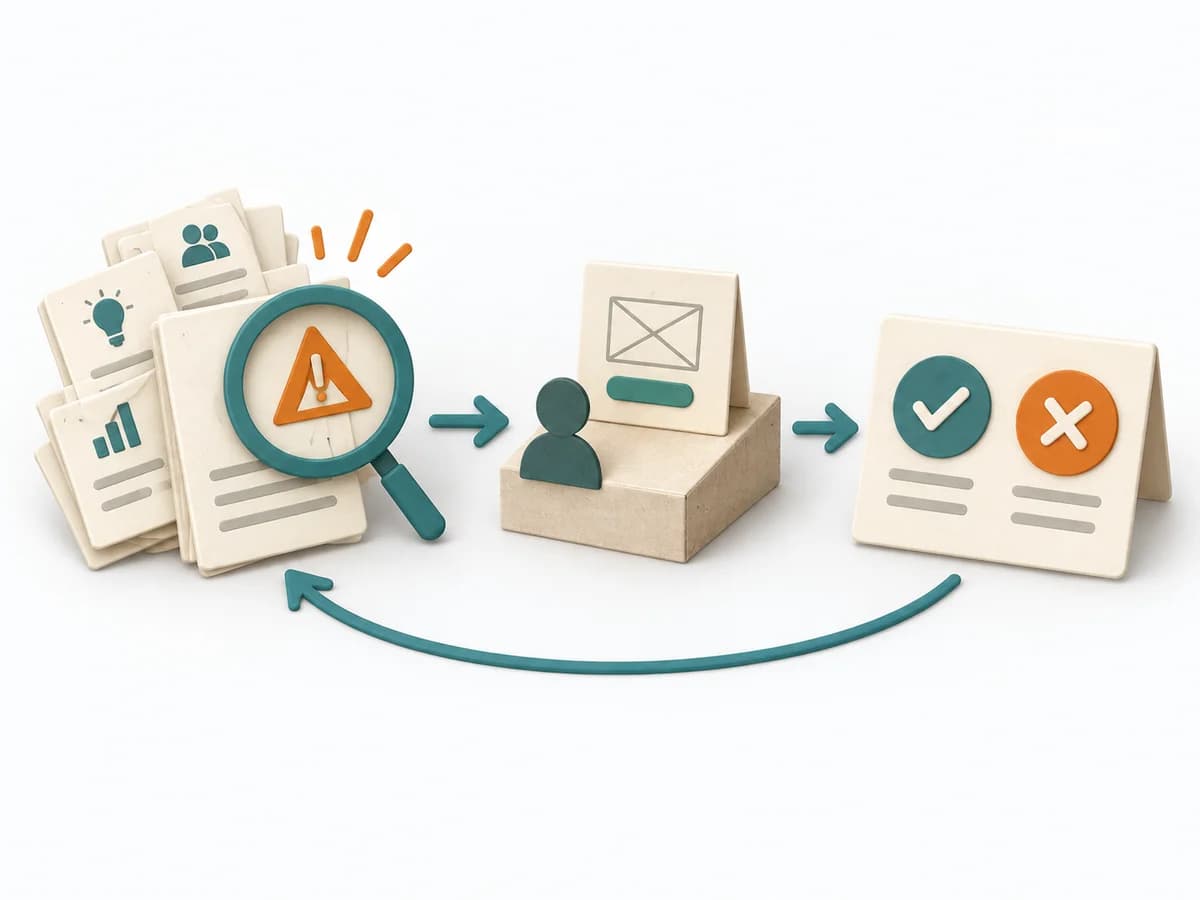
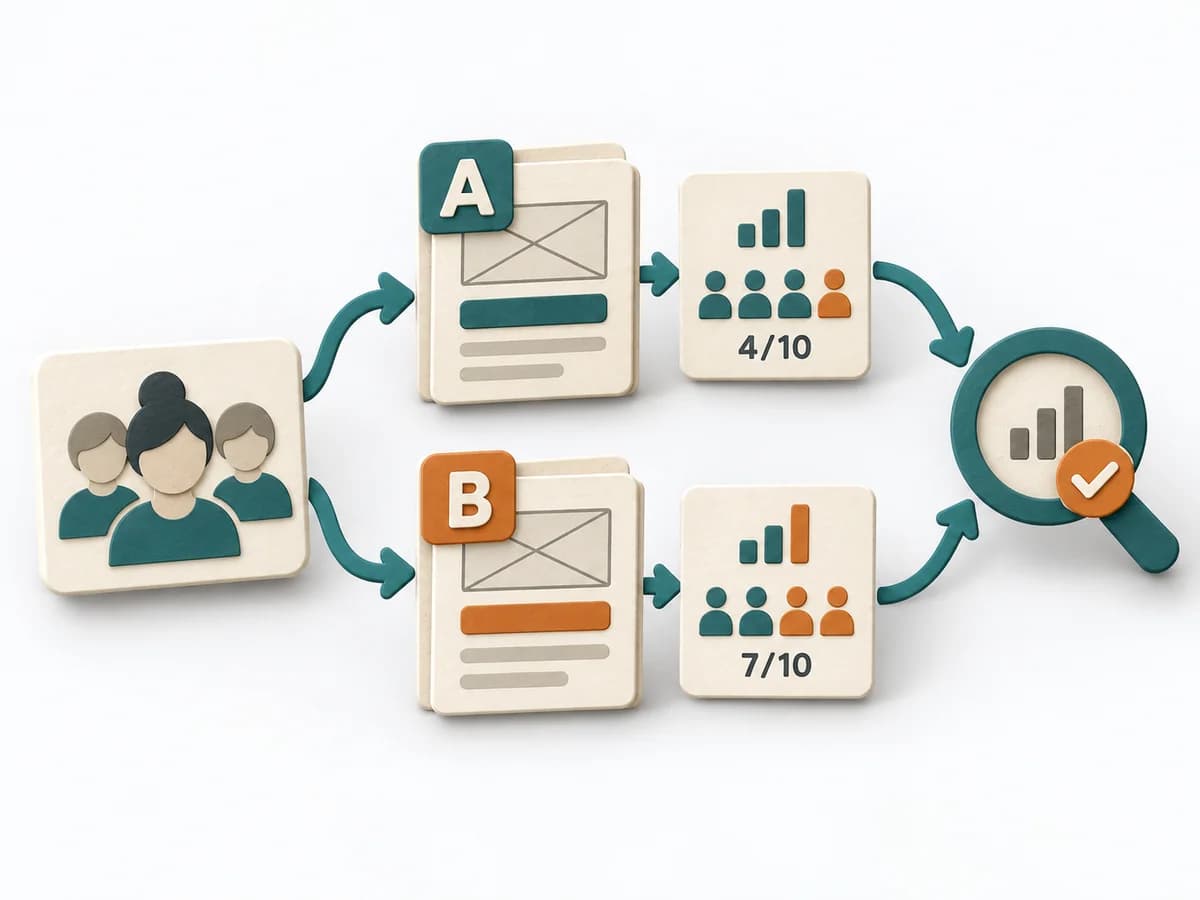
Purposedifferent | GAP Analysis compares the current state with a target picture and makes the distance manageable. It becomes useful when, ahead of new initiatives, it must become clear which capabilities, processes, or resources are missing. | When work needs to move between different states or columns, it makes that movement and its handoffs legible. It sorts work by value, risk, and delivery ability. The result is captured as a ROAM Board and an Owner List. | When assumptions still sit unordered in the room, it weighs uncertainty against leverage. It makes visible which hypotheses should be checked first. |
Complexitydifferent | Medium | Low | Medium |
Timedifferent | 1-3 h | 20-40 min initial, dann laufend | 45-60 min |
Participantsdifferent | 2-8 | 3-15 | 2-8 |
Formatsame | Workshop + async | Workshop + async | Workshop + async |
Outputdifferent | Gap Matrix, Action Plan, Risk Notes | ROAM Board, Owner List | Assumption map, Test backlog, Risk ranking |
Tagsno overlap | StrategyAnalysisPlanning | RiskAgileTrackingAlignment | AssumptionsRiskExperimentsValidation |
Often compared together
Methods with strong topical overlap with the current selection, not yet in the comparison.