View methods side by side.
Choose up to four methods. Add them using the search and share the comparison by copying its link.
| Criterion |  Facilitation Expectation Mapping |  Delivery RAID Log | 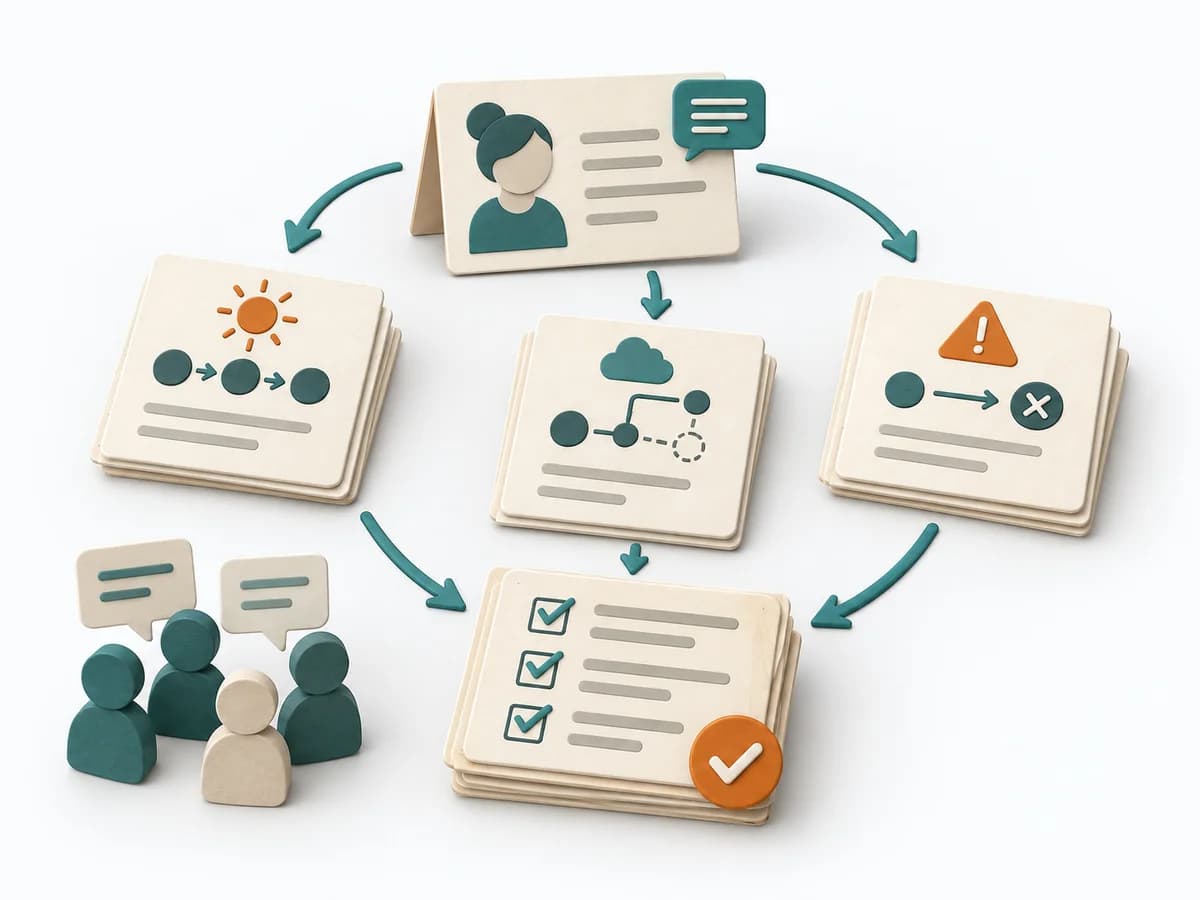 Agile Acceptance Criteria Workshop |
|---|---|---|---|
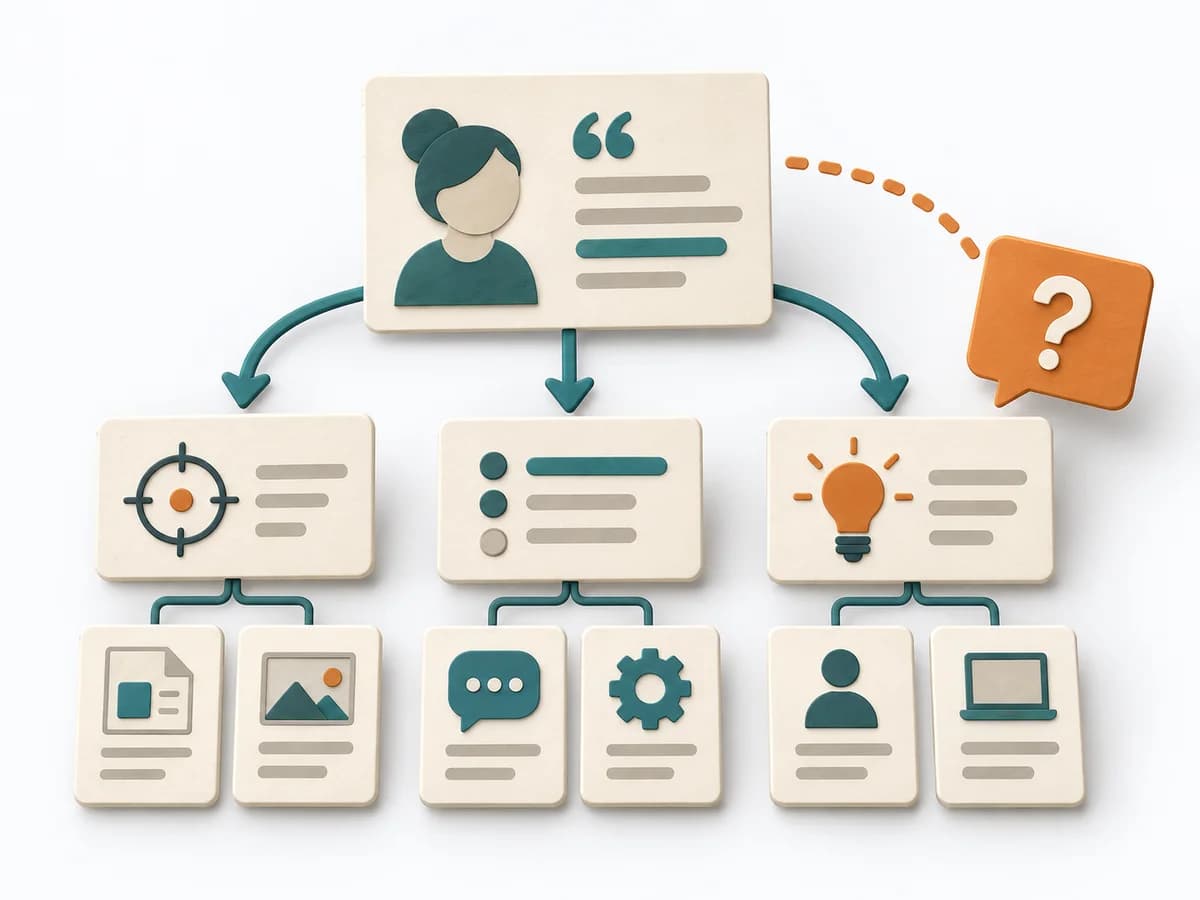
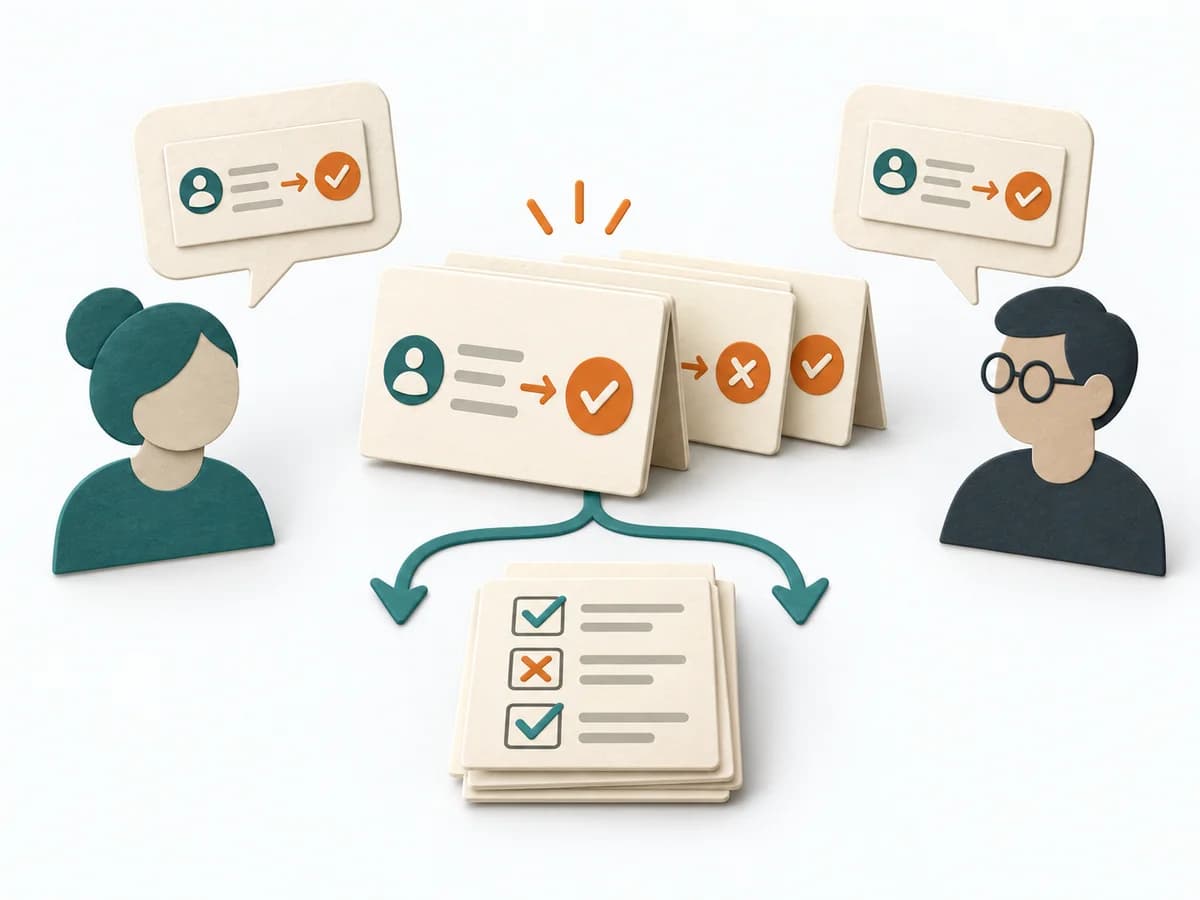
Purposedifferent | When roles, interfaces, or projects fail because of differing expectations, Expectation Mapping surfaces these differences. It shows what each side takes for granted and where the pictures diverge. | Helps clarify scope, sequence, and delivery flow in concrete terms. It makes work, boundaries, and order steerable. The result is captured as a RAID Log and a source for status reporting. | When a story needs clear checkpoints before implementation, it sharpens expectation and scope together. It sorts work by value, risk, and delivery ability. The result is captured as Acceptance Criteria and a Story Update. |
Complexitysame | Low | Low | Low |
Timedifferent | 45-90 min | 30 min Setup, dann laufend | 20-40 min pro Story |
Participantsdifferent | 3-12 | 1-3 maintaining, briefing for everyone | 3-6 |
Formatdifferent | Workshop | Async | Workshop |
Outputdifferent | Expectation Map, Alignment Notes, Agreements | RAID Log, Status Report Source | Acceptance Criteria, Story Update |
Tagsno overlap | AlignmentStakeholdersTeam | RiskTrackingStakeholdersGovernance | AgileRequirementsRefinementBehavior-Driven Development |
Often compared together
Methods with strong topical overlap with the current selection, not yet in the comparison.