View methods side by side.
Choose up to four methods. Add them using the search and share the comparison by copying its link.
| Criterion | 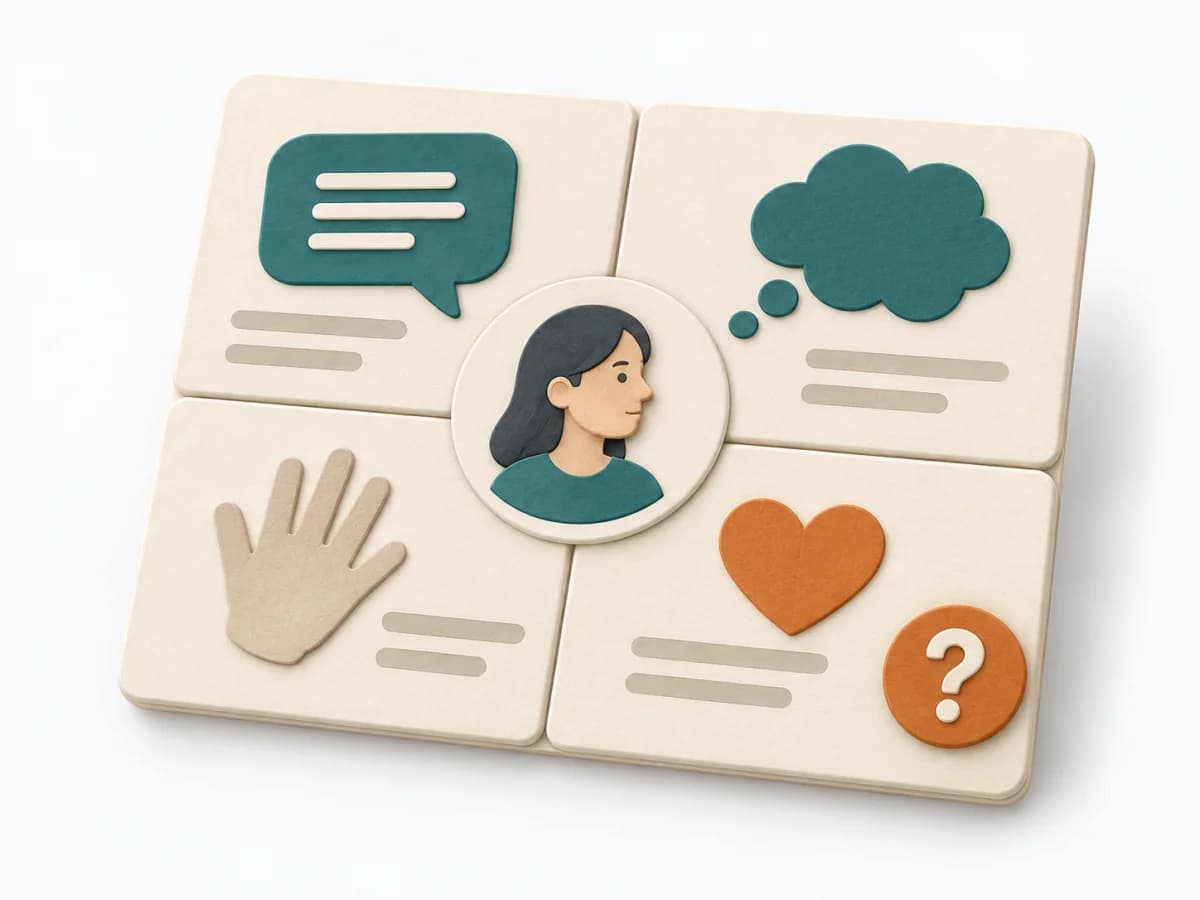 UX Research Empathy Mapping | 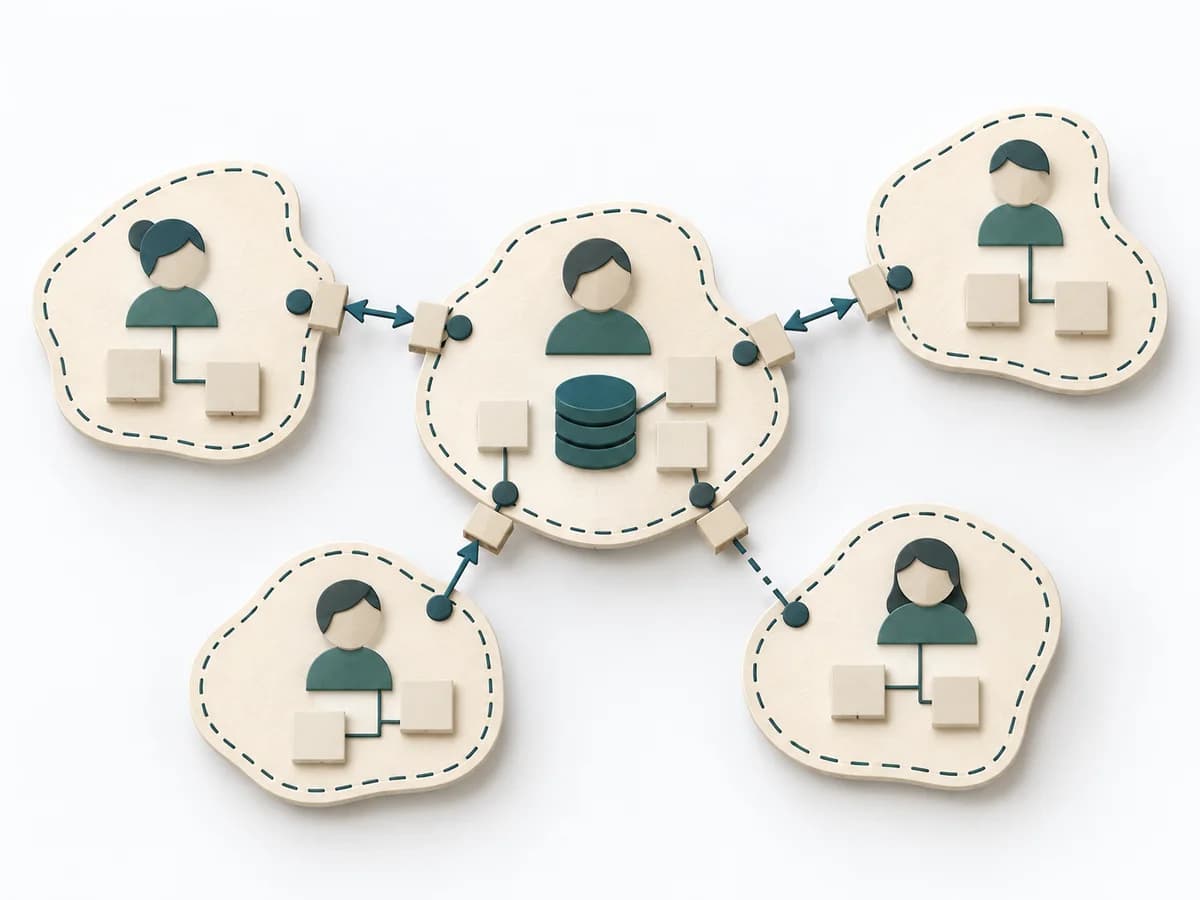 Domain Modeling Domain Context Map |  Facilitation Stakeholder Mapping |
|---|---|---|---|
Purposedifferent | When a lot is assumed about a target group but little is seen jointly, empathy mapping makes knowledge and gaps directly comparable. The picture also shows which assumptions hold up and where evidence is missing. | When a domain model and its associated contexts need to be thought through together, it creates a shared overview. It connects the business view and organizational boundary into a readable whole. | When an initiative depends on many people, interests, and power dynamics, Stakeholder Mapping systematically orders the environment. It shows who influences, who is affected, and where relationship management or safeguarding matters first. |
Complexitydifferent | Low | Medium | Low |
Timedifferent | 30–60 min | 1-3 h | 60–90 min |
Participantsdifferent | 4-8 | 3-10 | 2-8 |
Formatdifferent | Workshop | Workshop | Workshop + async |
Outputdifferent | Empathy Map, Assumptions List, Research Gaps | Domain Context Map, Boundary Notes, Ownership Map | Stakeholder Map, Engagement Plan, Risk Notes |
Tagsno overlap | SynthesisQualitativeWorkshop | Domain-Driven DesignContextBoundaries | StakeholdersAlignmentFacilitationChange |
Often compared together
Methods with strong topical overlap with the current selection, not yet in the comparison.