View methods side by side.
Choose up to four methods. Add them using the search and share the comparison by copying its link.
| Criterion |  UX Research Empathy Mapping | 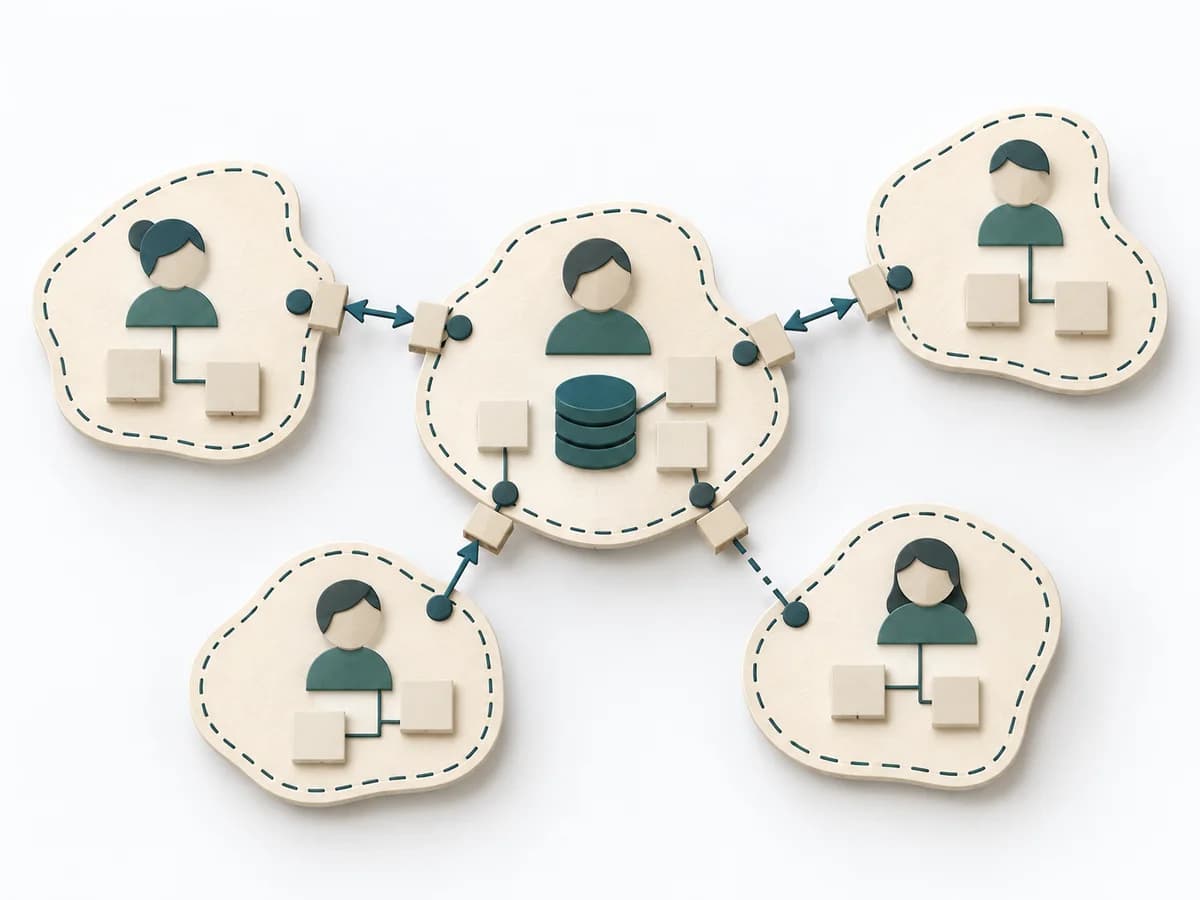 Domain Modeling Domain Context Map |  Facilitation Power Interest Grid |
|---|---|---|---|
Purposedifferent | When a lot is assumed about a target group but little is seen jointly, empathy mapping makes knowledge and gaps directly comparable. The picture also shows which assumptions hold up and where evidence is missing. | When a domain model and its associated contexts need to be thought through together, it creates a shared overview. It connects the business view and organizational boundary into a readable whole. | When many stakeholders compete for attention at once, the Power Interest Grid sorts them by influence and stake. It turns individual contributions into a visible selection. The result is captured as a Power Interest Grid and a stakeholder-specific strategy. |
Complexitydifferent | Low | Medium | Low |
Timedifferent | 30–60 min | 1-3 h | 30-60 min |
Participantsdifferent | 4-8 | 3-10 | 2-8 |
Formatsame | Workshop | Workshop | Workshop |
Outputdifferent | Empathy Map, Assumptions List, Research Gaps | Domain Context Map, Boundary Notes, Ownership Map | Power Interest Grid, Strategy per Stakeholder |
Tagsno overlap | SynthesisQualitativeWorkshop | Domain-Driven DesignContextBoundaries | StakeholdersFacilitationAlignmentPlanning |
Often compared together
Methods with strong topical overlap with the current selection, not yet in the comparison.