View methods side by side.
Choose up to four methods. Add them using the search and share the comparison by copying its link.
| Criterion |  Knowledge Modeling Domain Storytelling |  Agile 4Ls Retrospective |  Operations A3 Problem Solving |
|---|---|---|---|
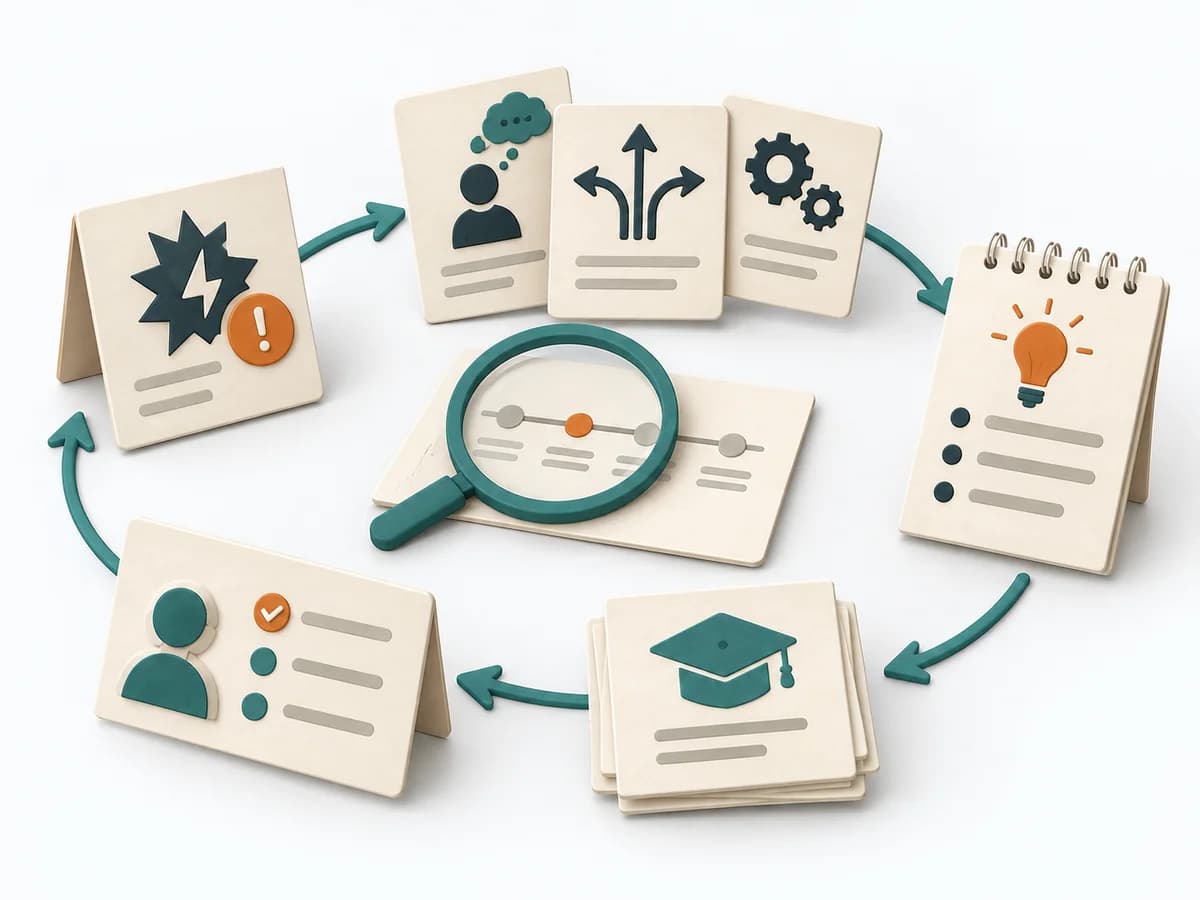
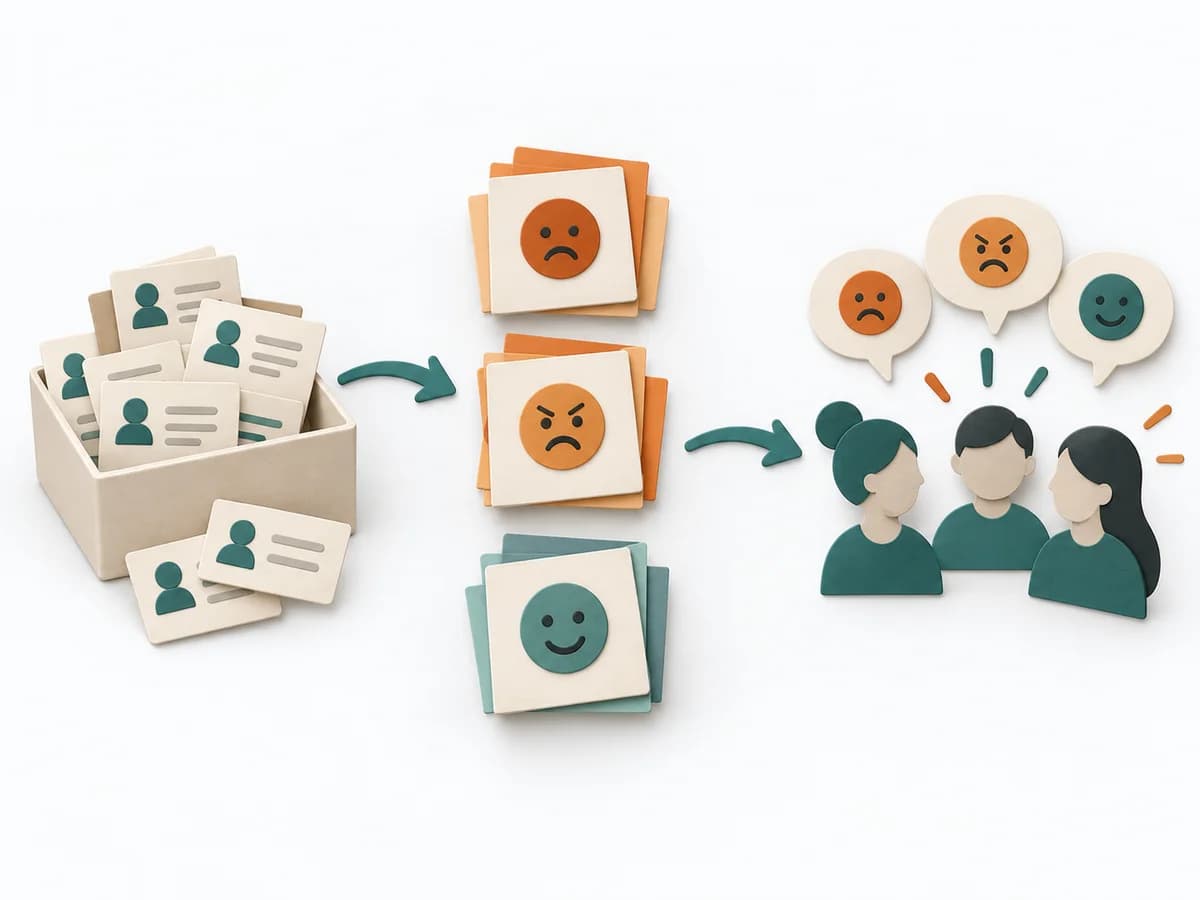
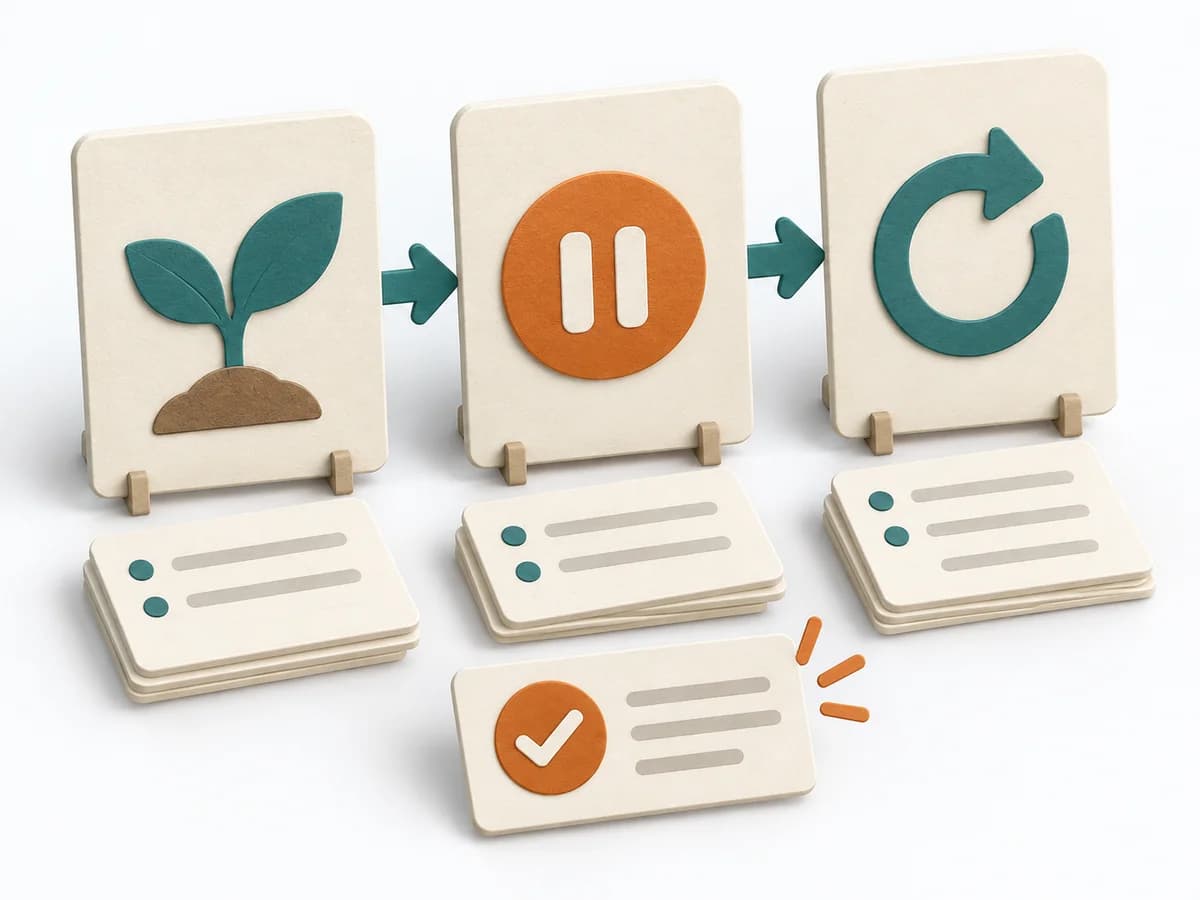
Purposedifferent | Domain Storytelling translates domain knowledge into a shared narrative of actors, objects, and workflows. It is especially useful when language, rules, and process understanding must be tightly connected. | When a sprint should not only be assessed but also learned from, it captures experience in clear learning categories. It records what worked, what's missing, and what should run differently next time. | For a complex deviation with several people involved, the method bundles problem, analysis, and decision onto one page. It creates a shared working space where causes, countermeasures, and follow-up fit together. |
Complexitydifferent | Low | Low | Medium |
Timedifferent | 1-2 h | 45–75 min | 45-90 min |
Participantsdifferent | 2-8 | Team members involved | 2-5 |
Formatdifferent | Workshop | Workshop | Workshop + async |
Outputdifferent | Domain Story, Glossary Notes, Process Narrative | 4Ls Board, Learning Themes, Improvement Actions | A3 Report, Action Plan, Root Cause Analysis |
Tagsno overlap | KnowledgeDomain-Driven DesignProcess | RetrospectiveLearningReflectionTeam | LeanProblem solvingCoachingOperations |
Often compared together
Methods with strong topical overlap with the current selection, not yet in the comparison.