View methods side by side.
Choose up to four methods. Add them using the search and share the comparison by copying its link.
| Criterion | 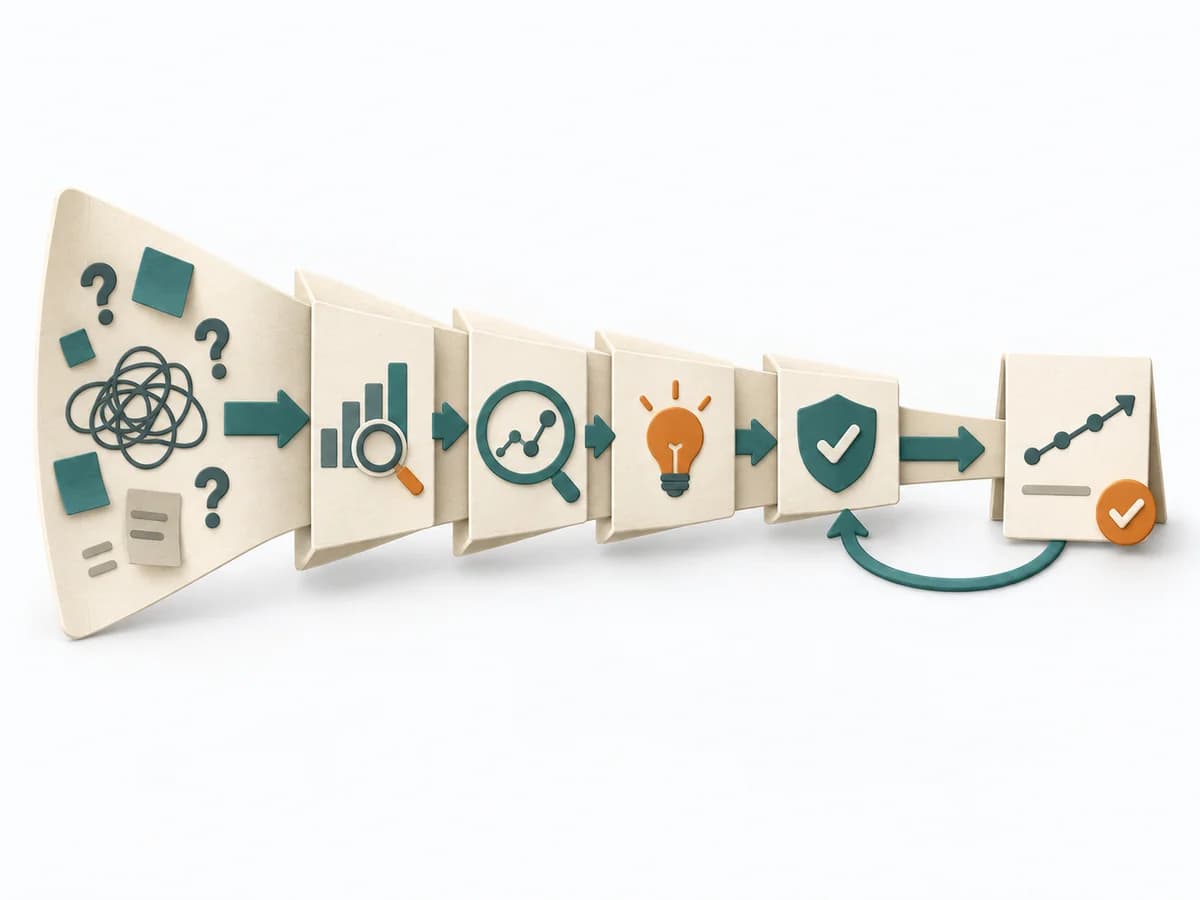 Operations DMAIC | 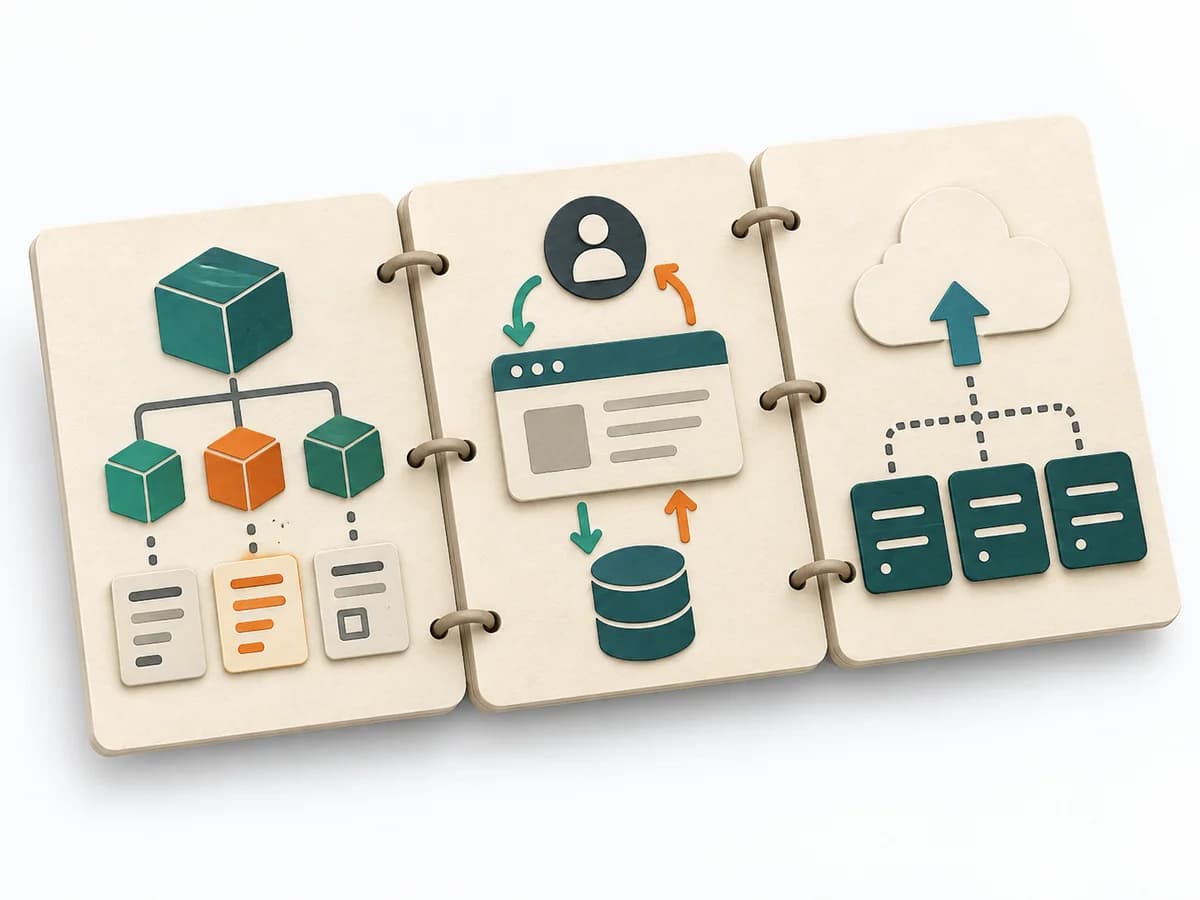 Architecture Views and Beyond |  Facilitation Alignment Mapping |
|---|---|---|---|
Purposedifferent | For a process problem with fluctuating performance, the method brings analysis and improvement into a disciplined sequence. It creates a framework in which numbers, causes, and control come together. | Views and Beyond organizes architecture into several views so no single diagram has to do everything at once. This makes it possible to choose the representation that fits the stakeholder's question. | When several people work toward one goal but hold different mental maps, Alignment Mapping makes the discrepancies visible. It arranges goals, assumptions, and priorities so shared direction becomes verifiable. |
Complexitydifferent | High | Medium | Medium |
Timedifferent | 2-12 Wochen | 1-3 Tage | 1-2 h |
Participantsdifferent | 3-10 | 1-4 | 4-12 |
Formatdifferent | Workshop + async | Workshop + async | Workshop |
Outputdifferent | Project Charter, Measurement Plan, Cause Analysis, Control Plan | Architecture Views, Cross-view Notes, Rationale | Alignment Map, Open Issues, Decision Questions |
Tagsno overlap | Continuous improvementQualityProcess improvement | DocumentationStakeholdersArchitecture | AlignmentStakeholdersStrategyFacilitation |
Often compared together
Methods with strong topical overlap with the current selection, not yet in the comparison.



