View methods side by side.
Choose up to four methods. Add them using the search and share the comparison by copying its link.
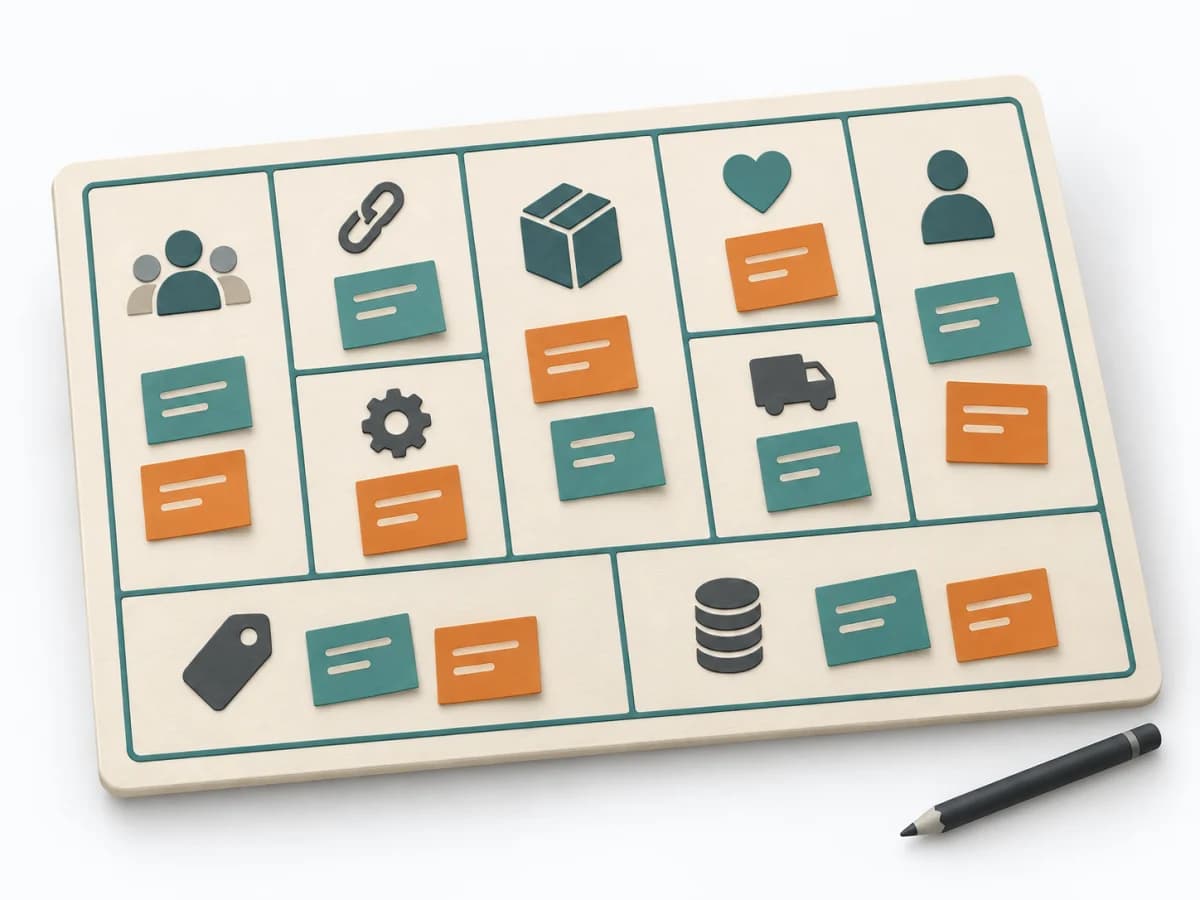
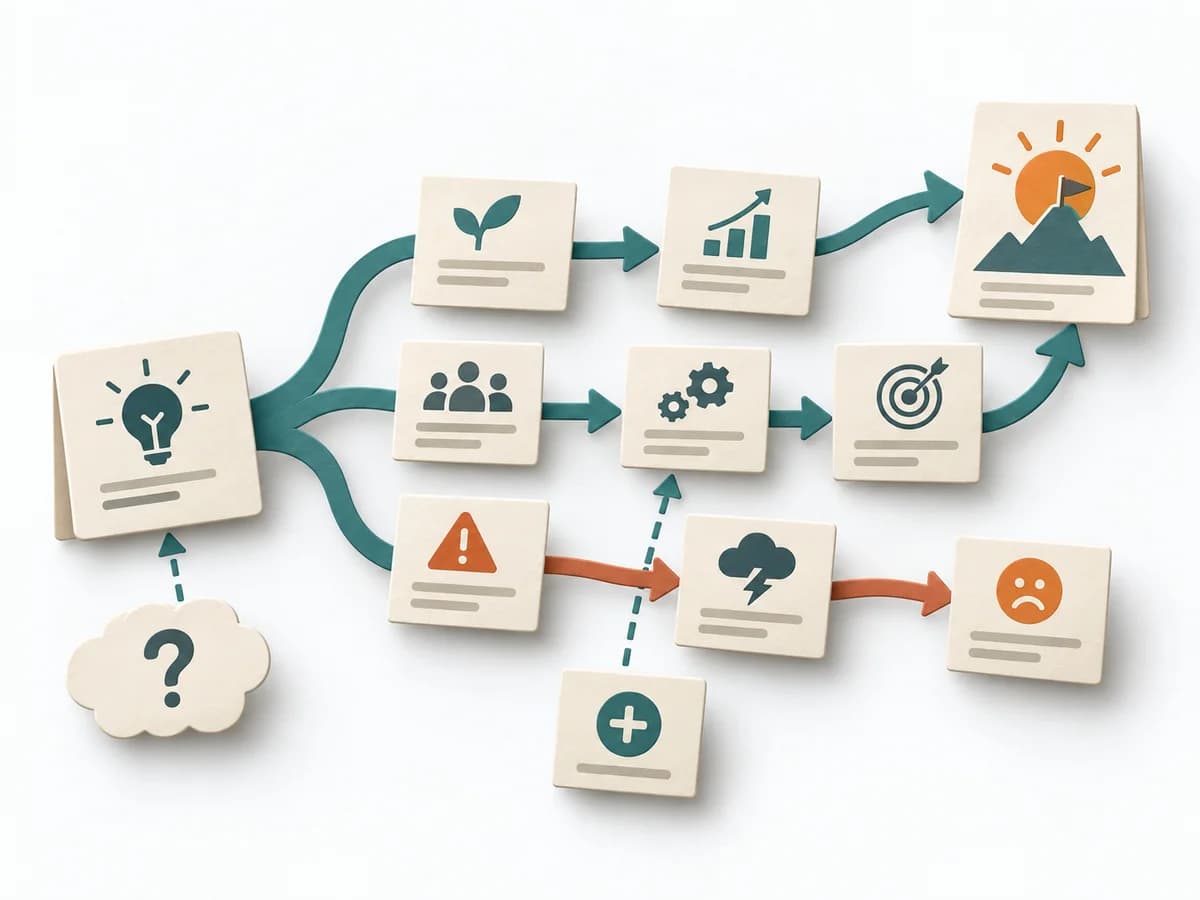
| Criterion |  Innovation Design Thinking | 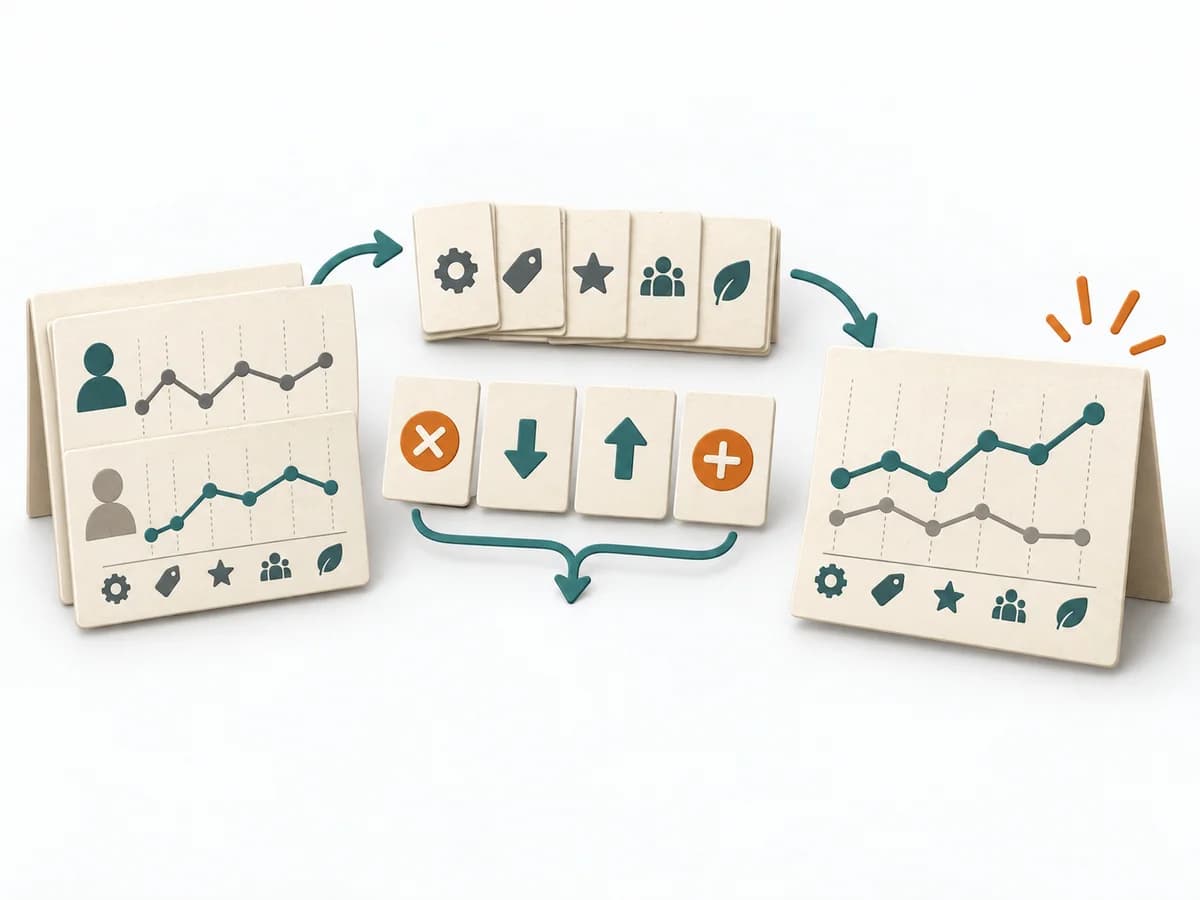 Business Strategy Blue Ocean Strategy Canvas |  Systems Thinking Leverage Points |
|---|---|---|---|
Purposedifferent | For complex user problems with an uncertain cause, the method connects observation, interpretation, and experiment into a learning cycle. It keeps the focus on real needs and avoids premature solution language. This produces robust decisions for product and service. | The Blue Ocean Strategy Canvas shows how an offering is positioned relative to the market. Differentiation thereby becomes tangible in value factors instead of merely being claimed. | Leverage Points show exactly where interventions in a system produce a disproportionate effect. It draws relationships, patterns, and feedback loops. The result is captured as a leverage map and action strategy. |
Complexitydifferent | High | Medium | High |
Timedifferent | 1 Tag bis mehrere Wochen | 2-4 h | Half day |
Participantsdifferent | 4-10 | 3-10 | 3-12 |
Formatsame | Workshop | Workshop | Workshop |
Outputdifferent | Problem Statement, Prototype, Test Learnings | Strategy Canvas, Value Curve, ERRC Actions | Leverage Map, Action Strategy |
Tagsno overlap | InnovationPrototypeResearch | StrategyPositioningInnovationValue | Systems thinkingChangeStrategy |
Often compared together
Methods with strong topical overlap with the current selection, not yet in the comparison.