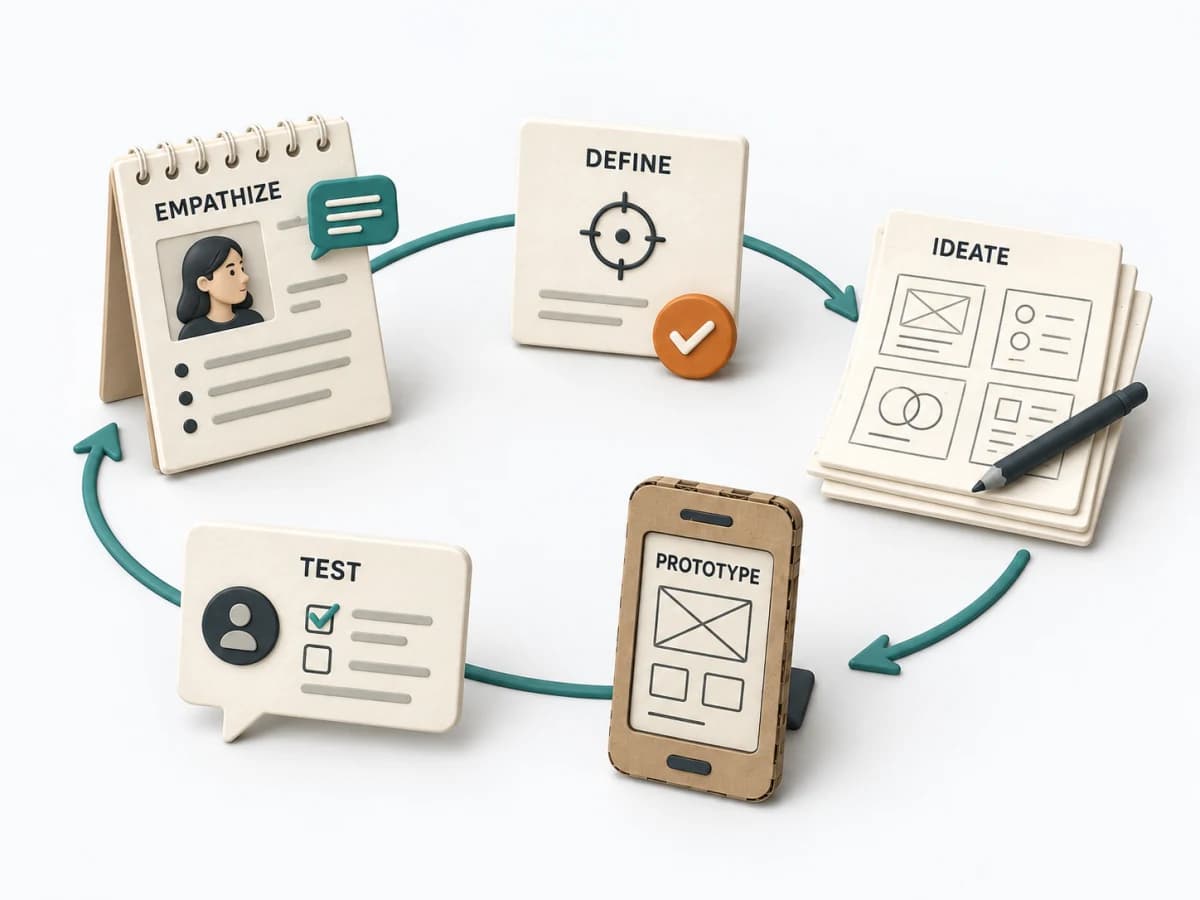
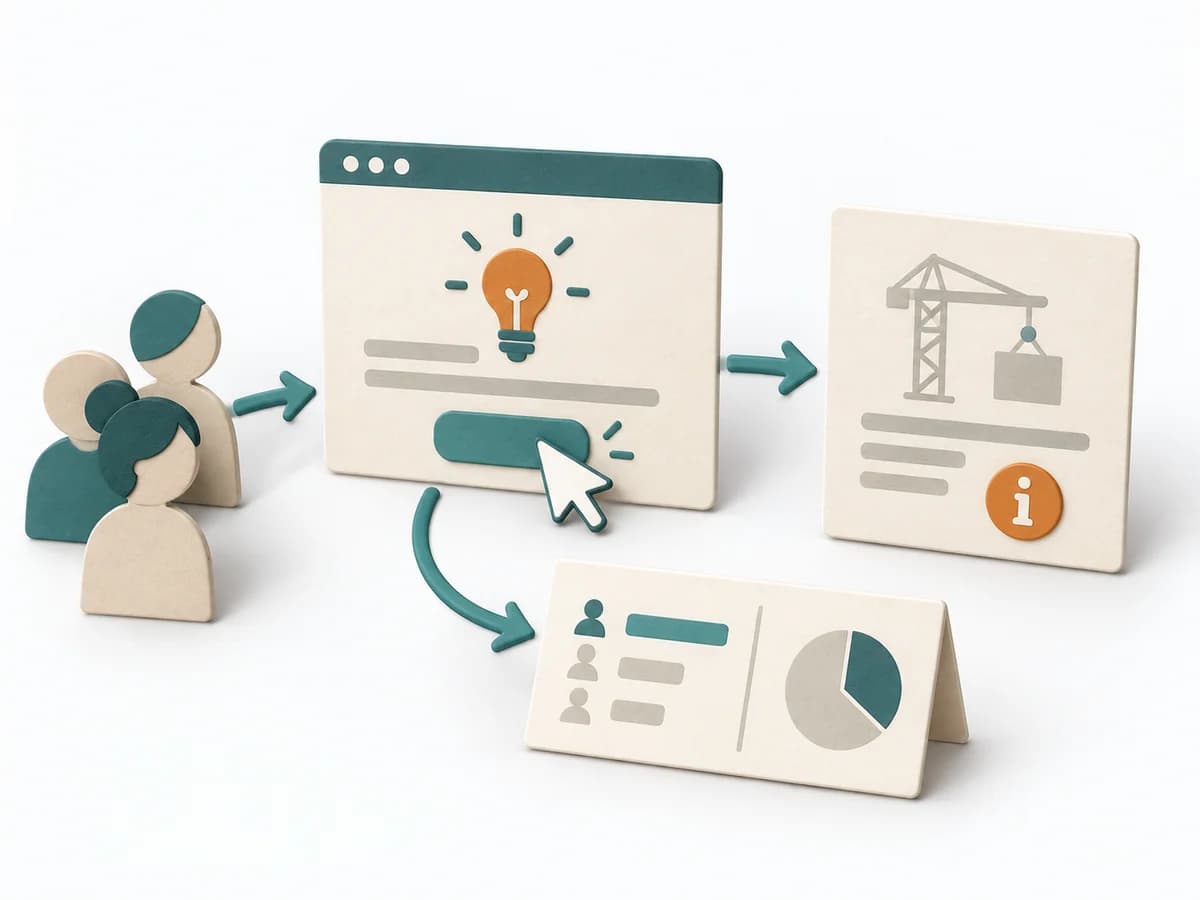
View methods side by side.
Choose up to four methods. Add them using the search and share the comparison by copying its link.
| Criterion | 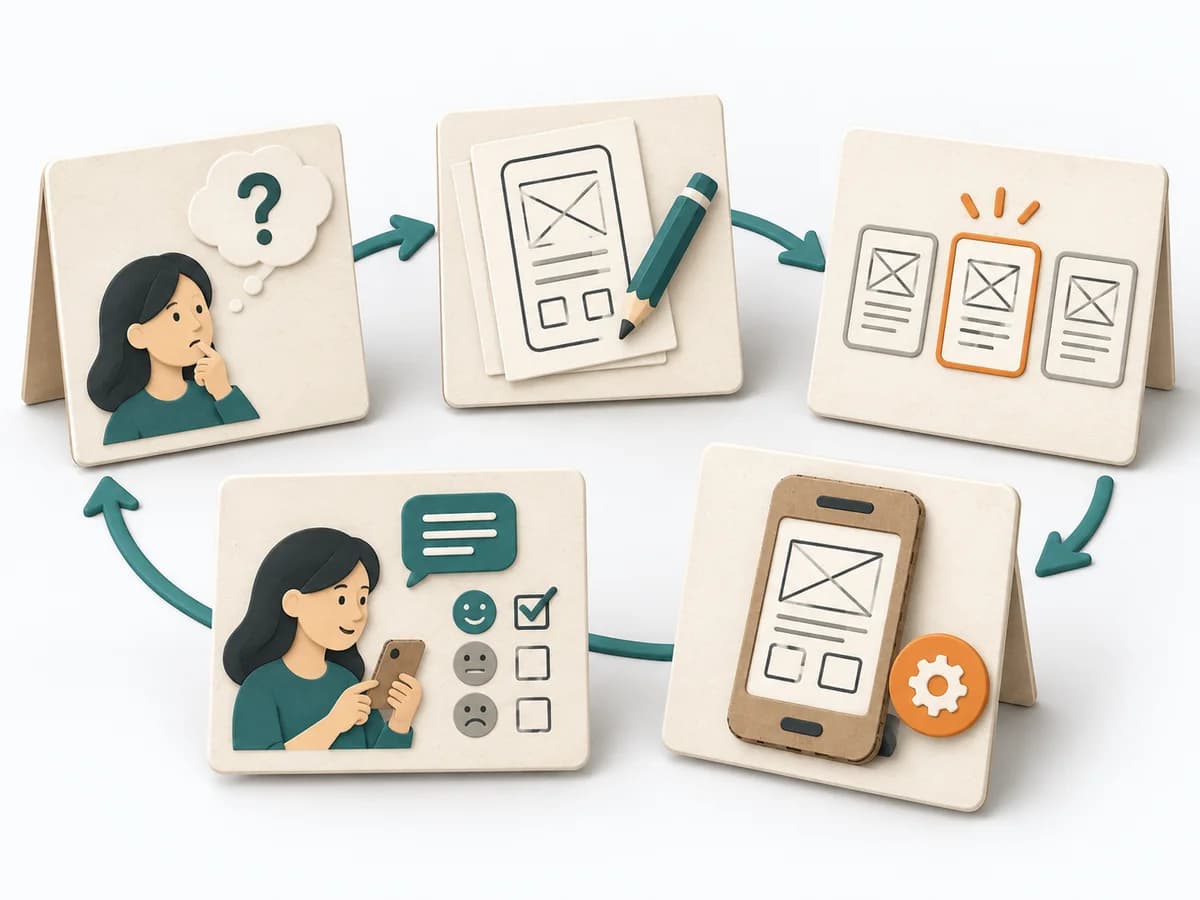 Innovation Design Sprint | 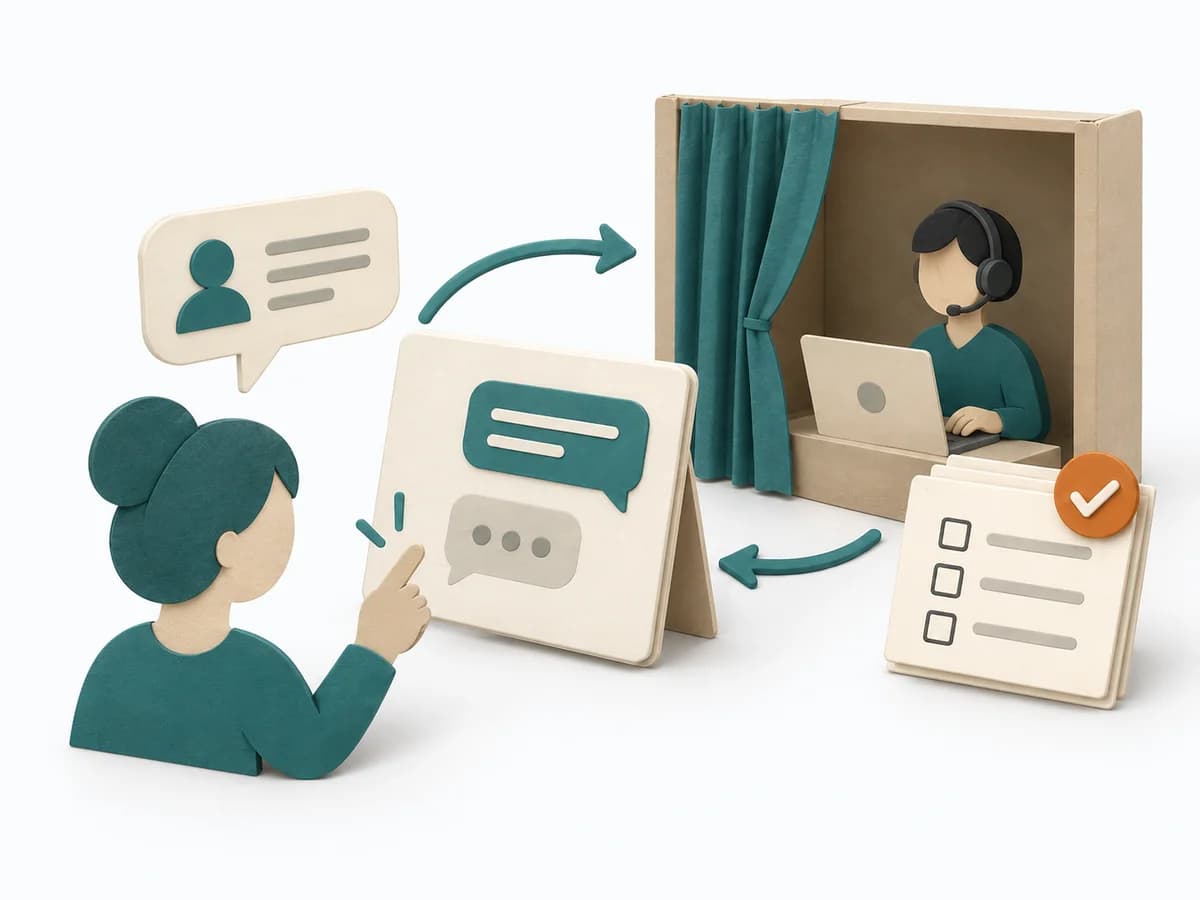 Product Discovery Wizard of Oz Test | 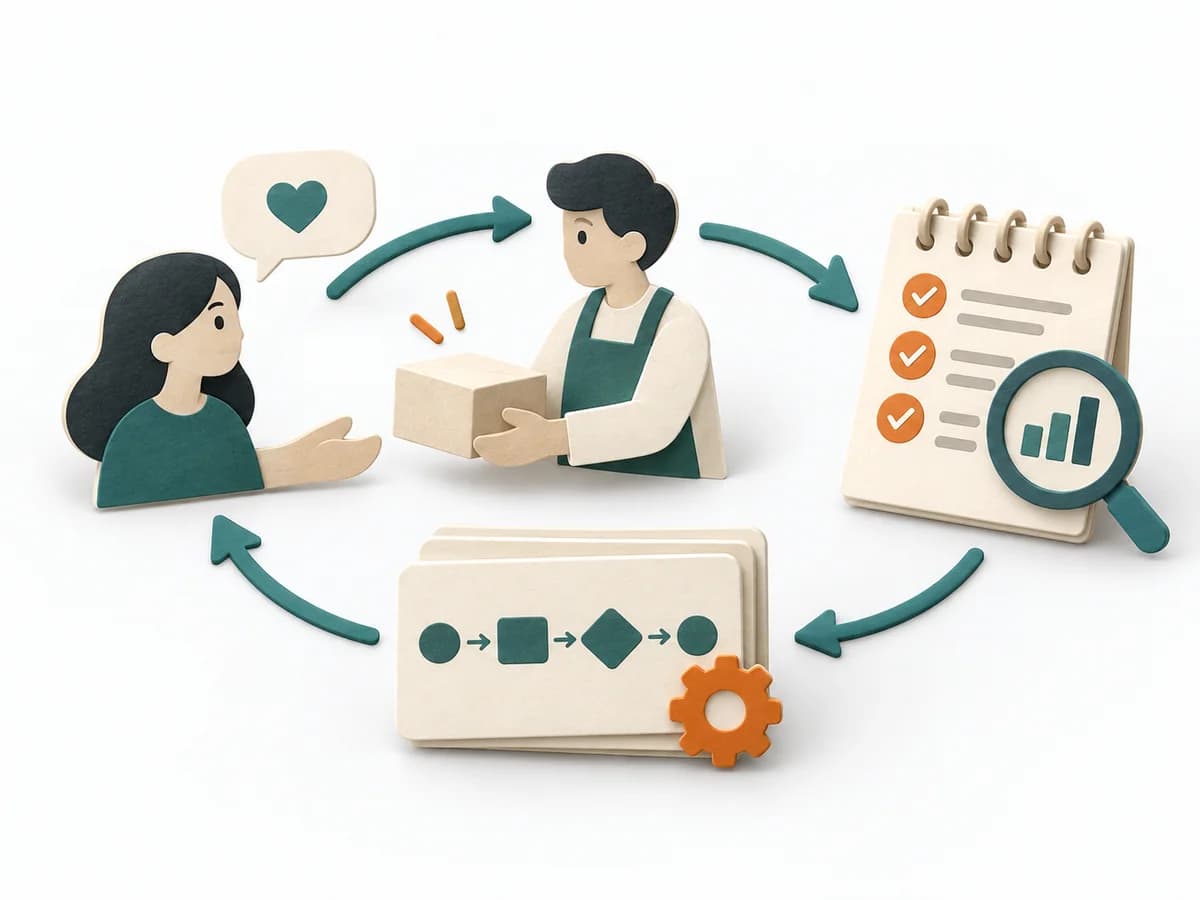 Product Discovery Concierge MVP |
|---|---|---|---|
Purposedifferent | When the product question is unclear and time pressure is high, the method takes a team from an open idea to a testable solution. It connects problem understanding, decision, and learning in one compact format, lowering the risk of spending a lot of energy on a mere guess. | When a new experience would still be too expensive to automate for real, it simulates the outcome behind the scenes. It checks user reaction and value before the technology disappears. | When an idea can first fail or grow through genuine hands-on support, it relies on manual work instead of automation. It shows whether user value holds up even under manual execution. |
Complexitydifferent | High | High | Medium |
Timedifferent | 4-5 Tage | 2-10 Tage | 1-4 Wochen |
Participantsdifferent | 5-8 | 5-20 Nutzer | 3-10 Kunden |
Formatdifferent | Workshop | Workshop + async | Workshop + async |
Outputdifferent | Prototype, Test Findings, Decision Rationale | Prototype Learnings, Manual Effort Notes, Risk List | Concierge Learnings, Service Blueprint, MVP Risks |
Tags1 shared | Design sprintPrototypeValidationInnovation | PrototypeValidationMVP | MVPValidationServiceDiscovery |
Often compared together
Methods with strong topical overlap with the current selection, not yet in the comparison.