View methods side by side.
Choose up to four methods. Add them using the search and share the comparison by copying its link.
| Criterion | 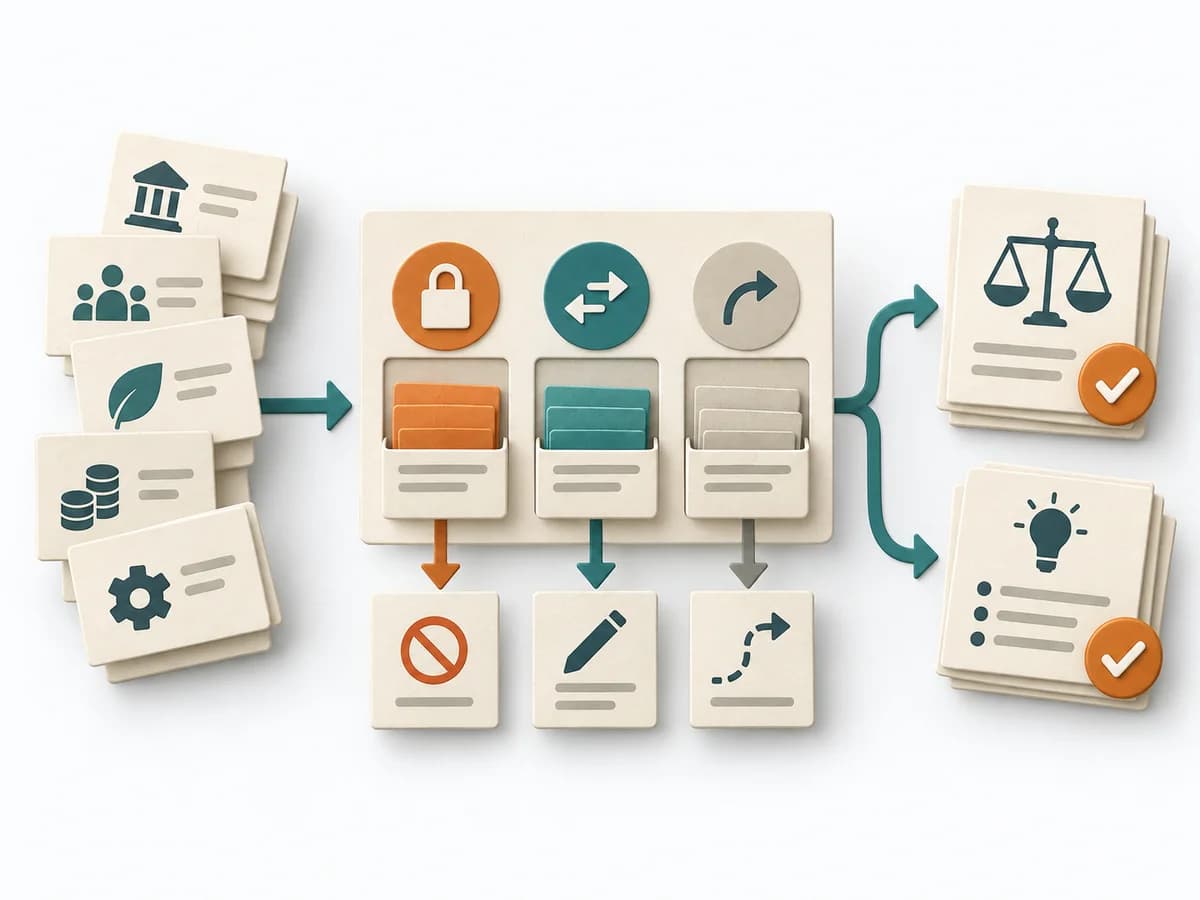 Decision Making Constraint Analysis | 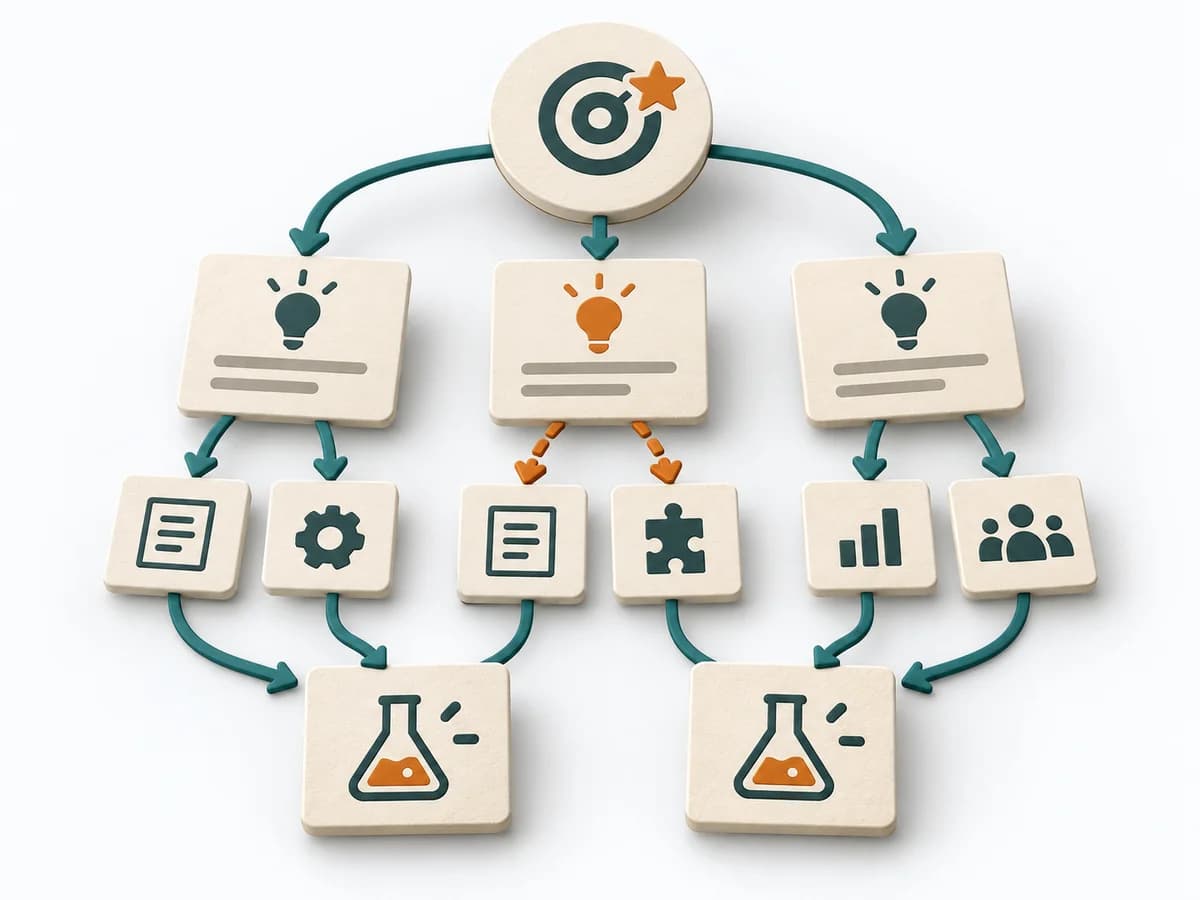 Product Discovery Opportunity Solution Tree |  Product Discovery Fake Door Test |
|---|---|---|---|
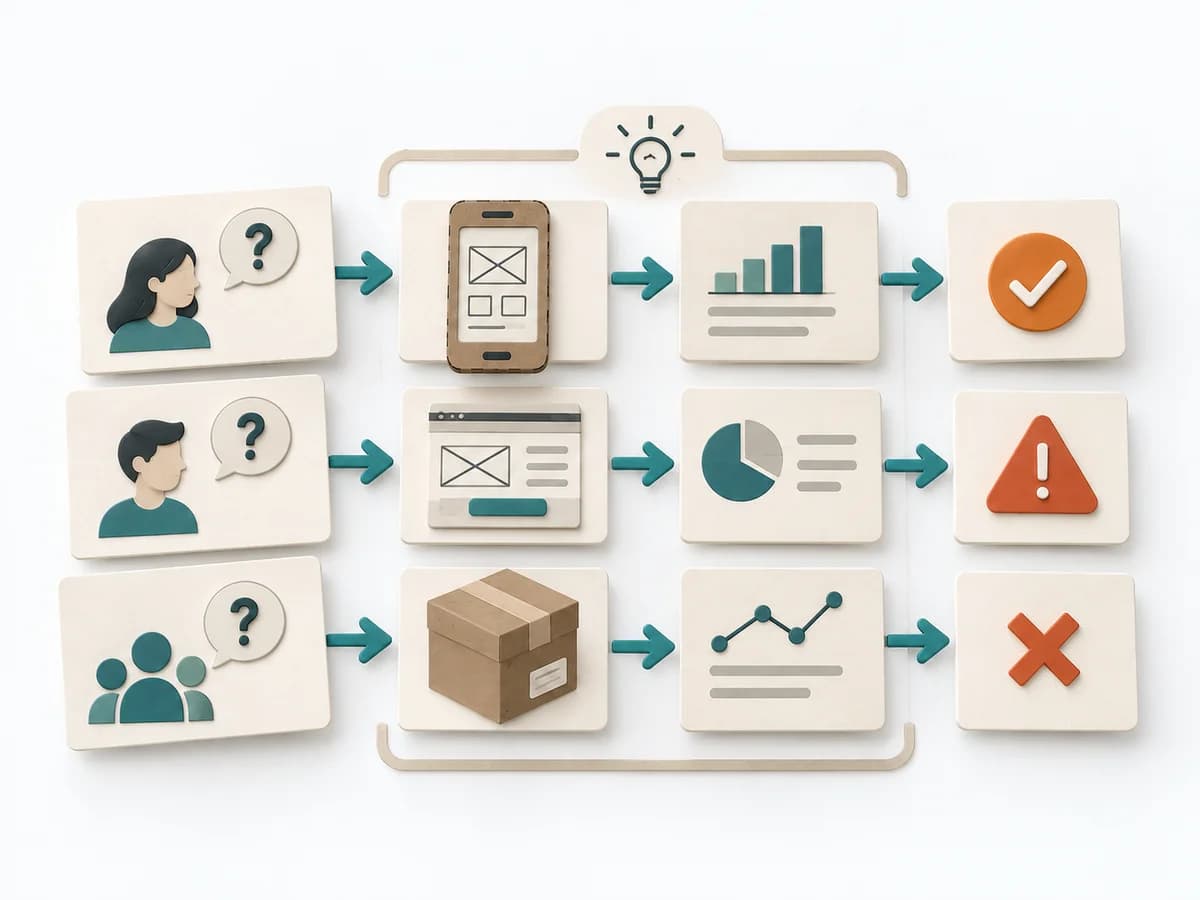
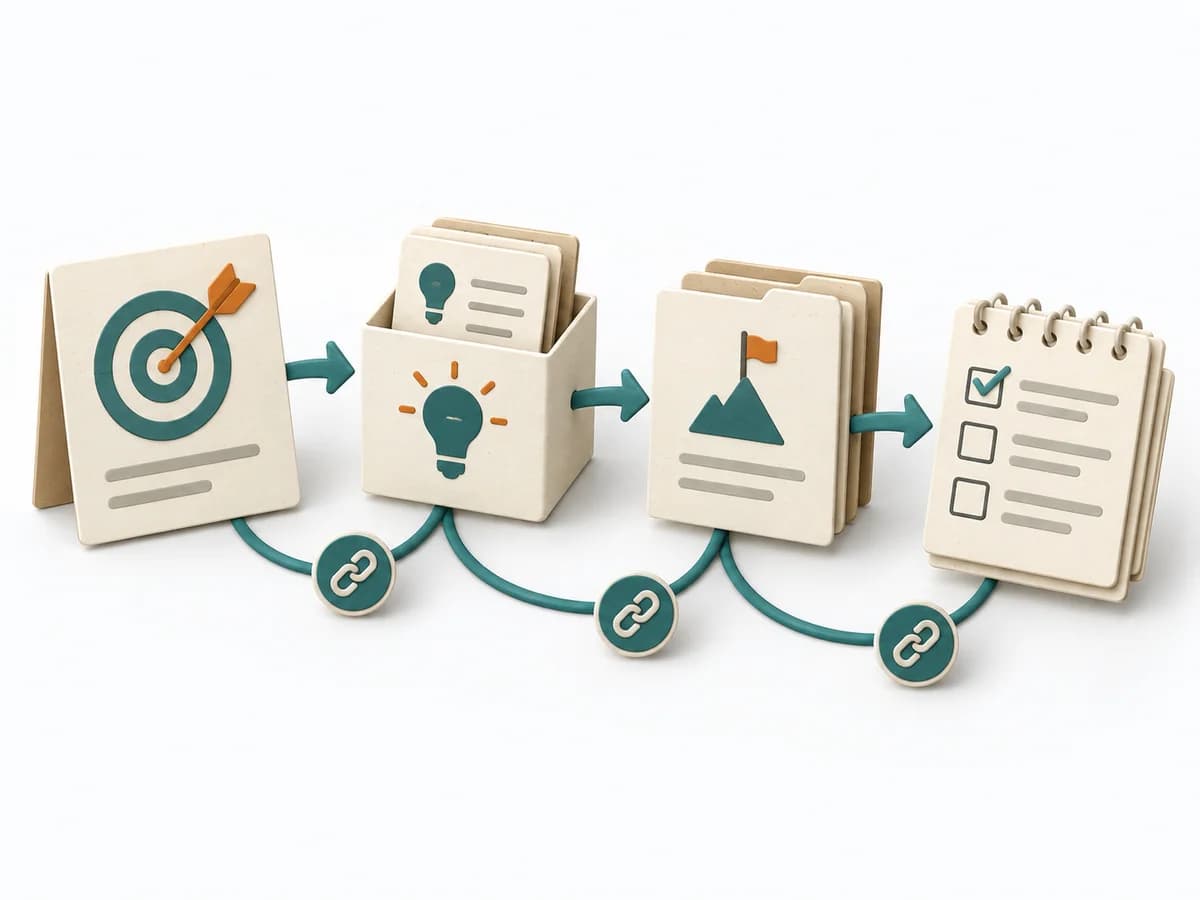
Purposedifferent | When an initiative stalls, the limit often lies not in the idea but in hard or soft boundary conditions. Constraint Analysis separates these limits and shows which of them can actually be shaped. | When discovery keeps swinging between goals, ideas, and learning loops, it creates clear steering logic. It connects the desired outcome, opportunities, and experiments into a legible structure. | When demand is still unclear, it measures interest in a feature before it is built. It separates real behavior from polite agreement and deliberately keeps build effort small. |
Complexitydifferent | Low | Medium | Medium |
Timedifferent | 30-90 min | 1-2 h Setup, laufend | 1-5 Tage |
Participantsdifferent | 2-8 | 2-6 | Nutzertraffic |
Formatdifferent | Workshop + async | Workshop + async | Async |
Outputdifferent | Constraint List, Hard/Soft Classification, Option Impact Notes, Decision Boundaries | Opportunity Solution Tree, Experiment Backlog, Learning Log | Click Data, Interest Signal, Learning Decision |
Tagsno overlap | ConstraintsDecisionPlanningOptions | DiscoveryOutcomesExperimentsOpportunity | ValidationExperimentsDemandDiscovery |
Often compared together
Methods with strong topical overlap with the current selection, not yet in the comparison.