View methods side by side.
Choose up to four methods. Add them using the search and share the comparison by copying its link.
| Criterion |  Knowledge Modeling Concept Mapping |  Decision Making Force Field Analysis | 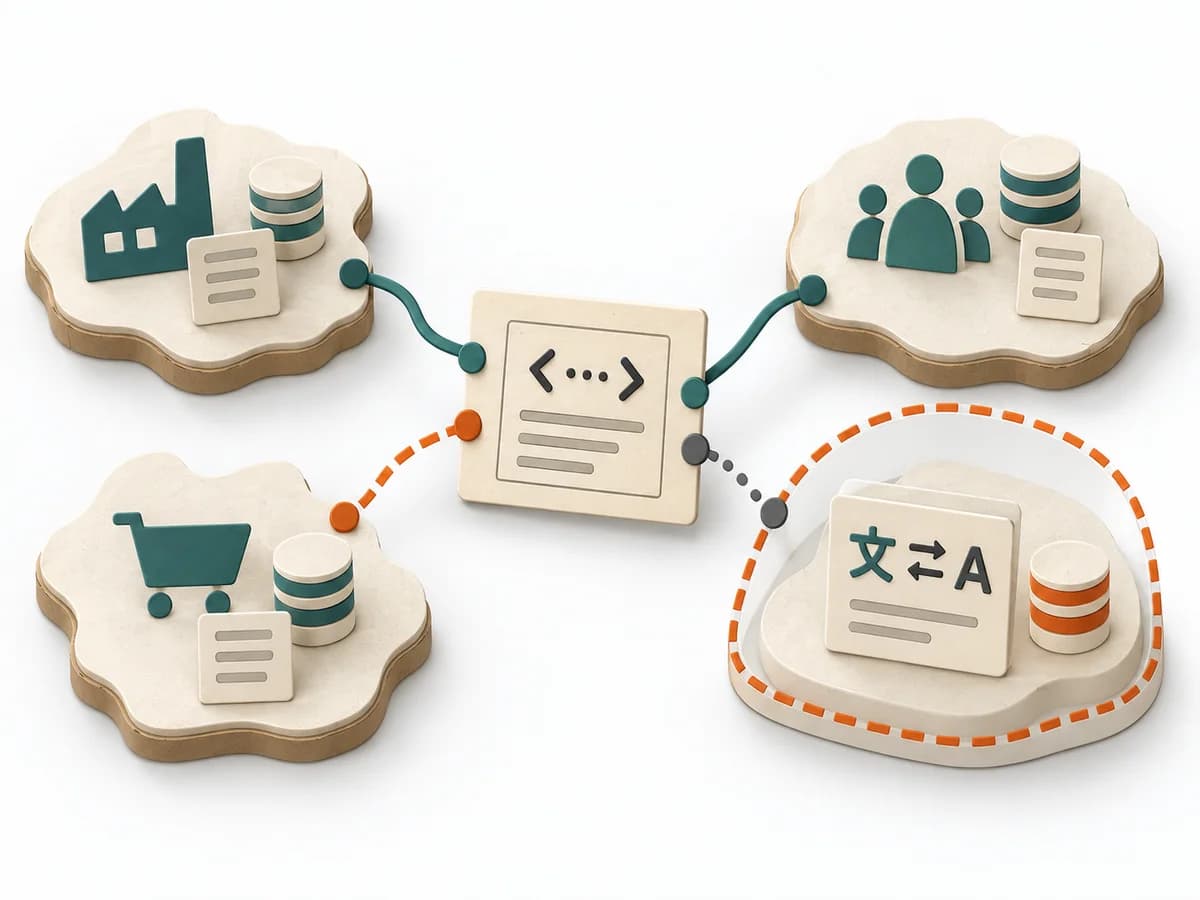 Domain Modeling Context Map |
|---|---|---|---|
Purposedifferent | Concept Mapping arranges terms and relationships in a network that makes subject-matter connections tangible. It fits when a topic needs to be understood structurally rather than linearly. | In change initiatives, supporting and restraining forces sit at the table at the same time. Force Field Analysis makes these tensions explicit and shows where change can be pushed forward by strengthening or relieving. | When several contexts need to talk to each other, it makes their relationships and dependencies legible. It helps sort integration pressure and responsibilities across system boundaries. |
Complexitydifferent | Medium | Low | Medium |
Timedifferent | 1-2 h | 45-90 min | 1-3 h |
Participantsdifferent | 1-8 | 3-12 | 2-8 |
Formatdifferent | Workshop + async | Workshop | Workshop + async |
Outputdifferent | Concept Map, Relationship Labels, Knowledge Gaps | Force Field Map, Change Levers, Risk Notes | Context Map, Integration Patterns, Boundary Notes |
Tagsno overlap | KnowledgeConceptsMappingSensemaking | ChangeDecisionStrategy | Domain-Driven DesignBoundariesStrategy |
Often compared together
Methods with strong topical overlap with the current selection, not yet in the comparison.