View methods side by side.
Choose up to four methods. Add them using the search and share the comparison by copying its link.
| Criterion | 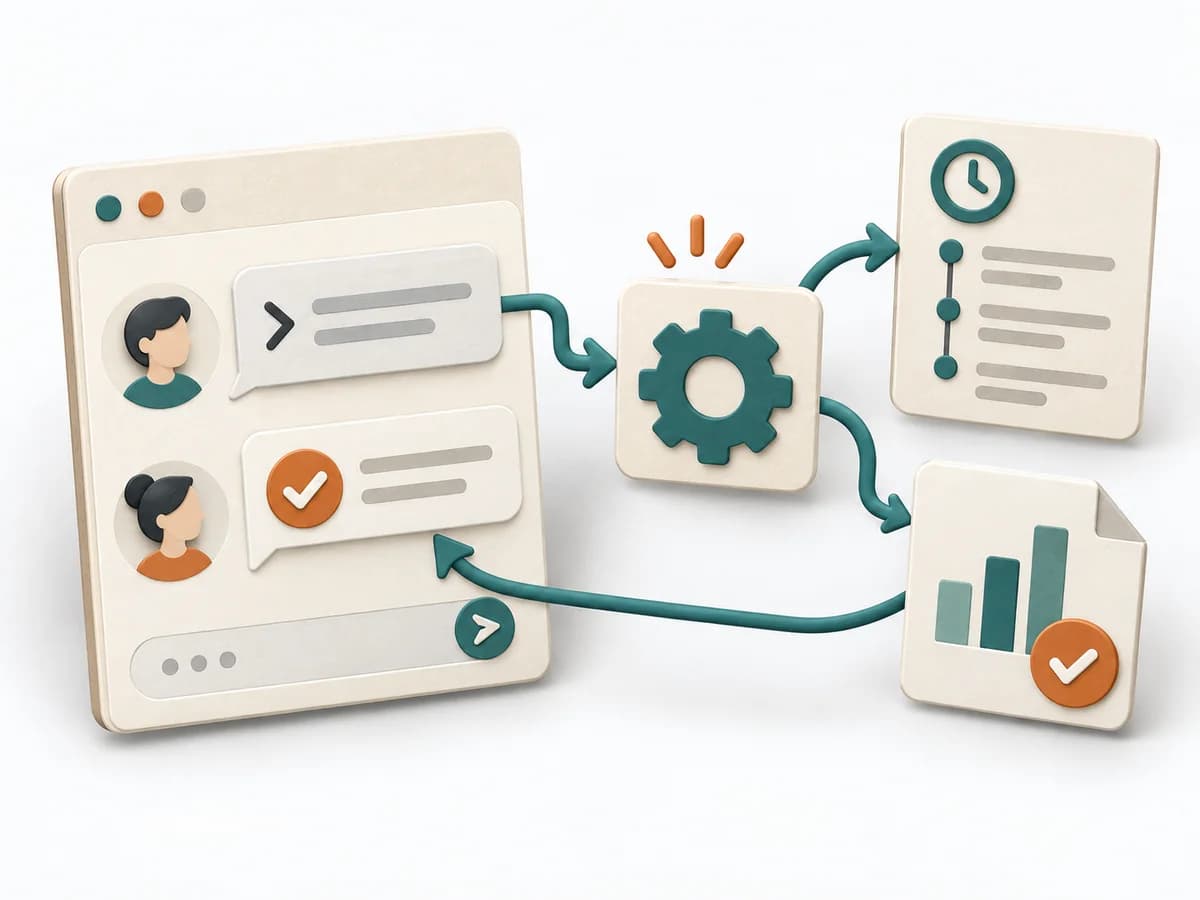 DevOps ChatOps |  Decision Making Decision Rights Mapping |  Facilitation Stakeholder Salience Model |
|---|---|---|---|
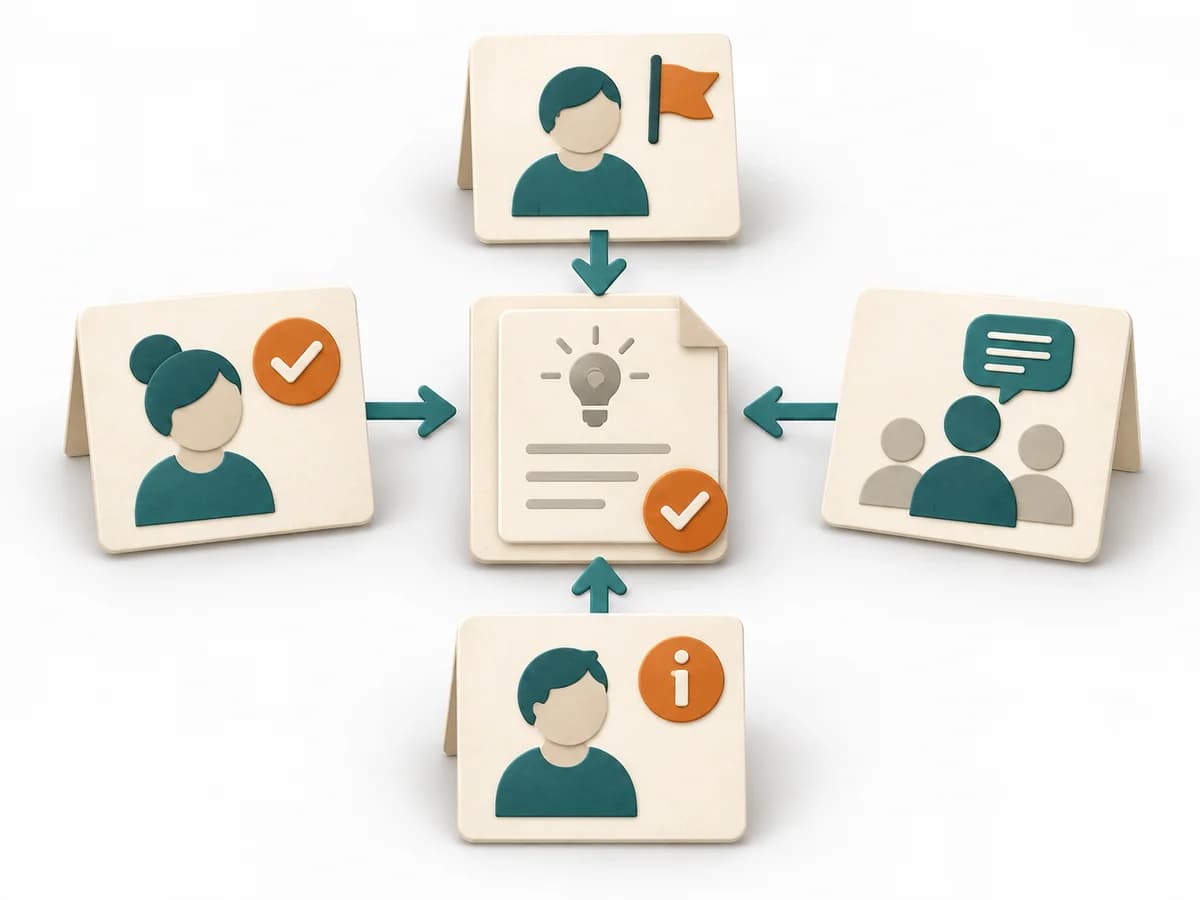
Purposedifferent | For operational work in a distributed team, the method links communication with direct system control. It records decisions right where the signal, the context, and the execution come together. | In organizations with many stakeholders, it often blurs who actually decides and who is merely consulted. It separates options, evaluation criteria, and open risks. The result is captured as a Decision Rights matrix and an agreement. | When stakeholders appear to matter very differently, the Stakeholder Salience Model rates their actual priority through power, legitimacy, and urgency. It turns individual contributions into a visible selection. The result is captured as a Salience diagram and a class-based strategy. |
Complexitysame | Medium | Medium | Medium |
Timedifferent | Ongoing | 90-180 min | 60-90 min |
Participantsdifferent | 2-20 | 4-12 | 3-6 |
Formatdifferent | Workshop + async | Workshop | Workshop |
Outputdifferent | Chat Transcript, Action Log, Automations | Decision Rights Matrix, Agreement | Salience Diagram, Strategy per Class |
Tagsno overlap | CollaborationEngineeringIncident | DecisionGovernanceAlignmentResponsibility | StakeholdersFacilitationAlignmentGovernance |
Often compared together
Methods with strong topical overlap with the current selection, not yet in the comparison.