View methods side by side.
Choose up to four methods. Add them using the search and share the comparison by copying its link.
| Criterion | 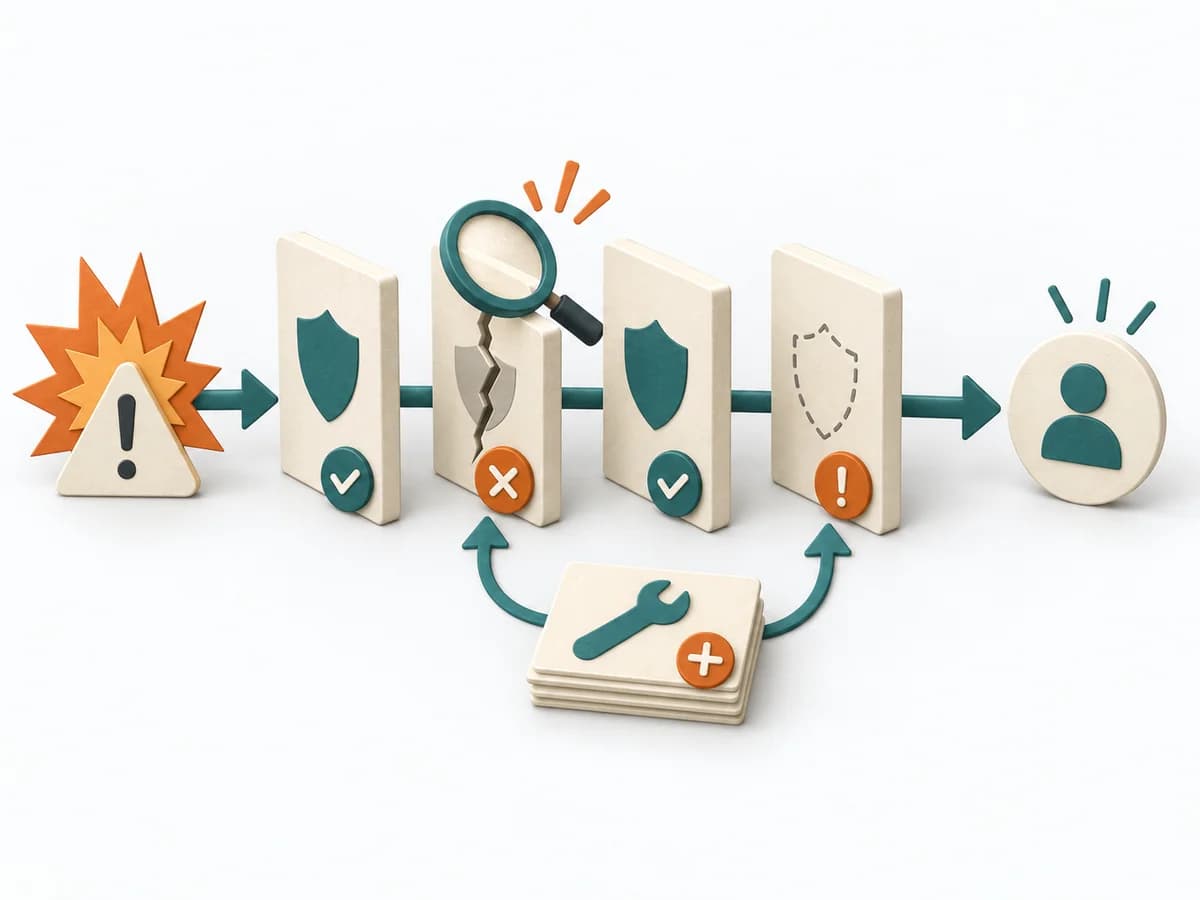 Operations Barrier Analysis | 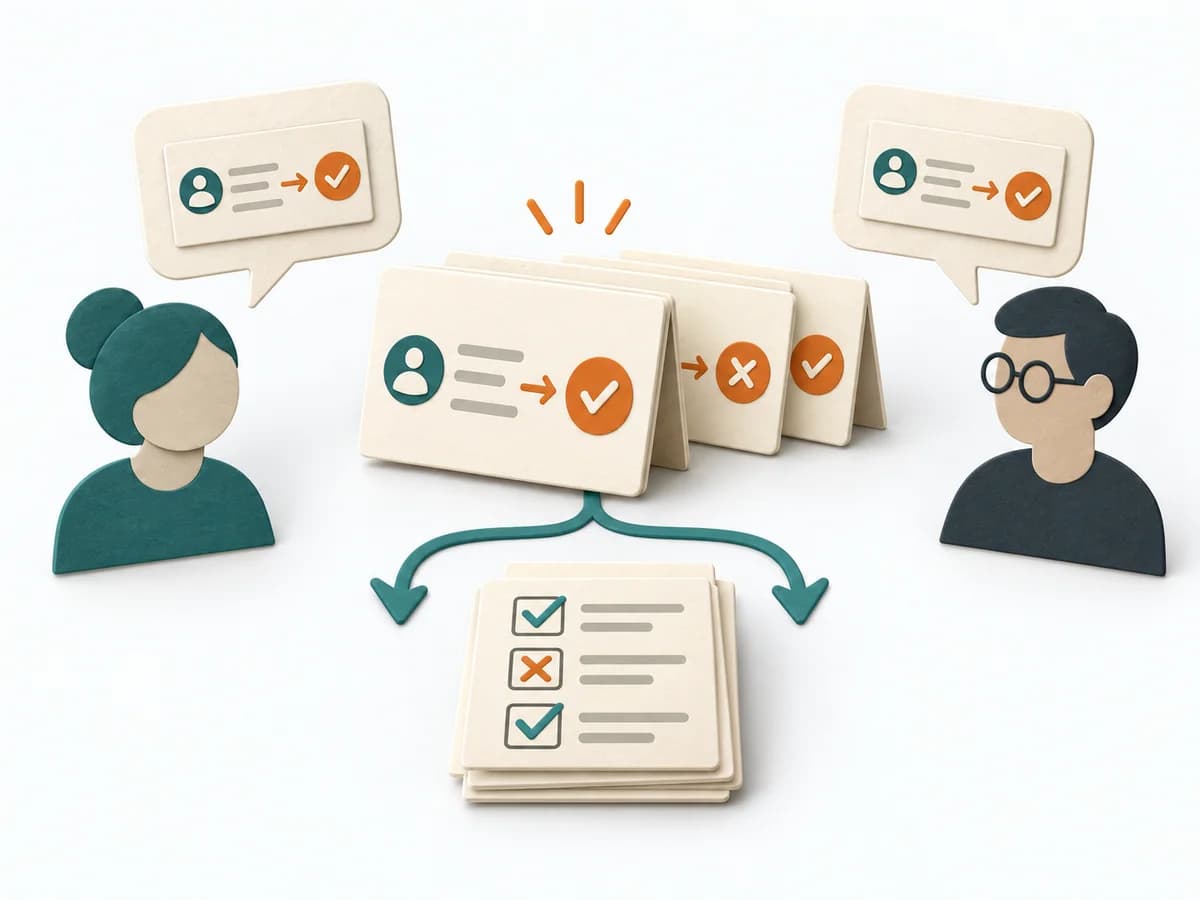 Agile Specification by Example | 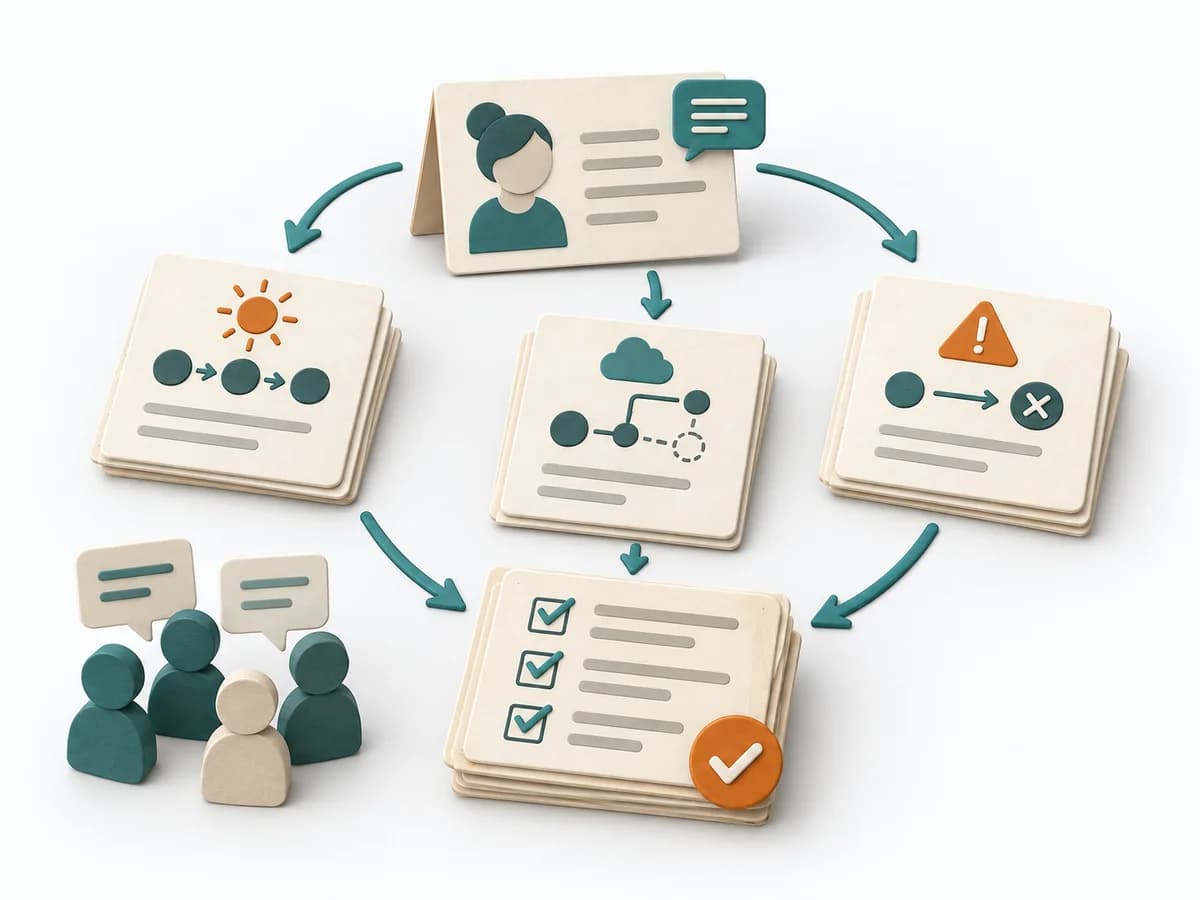 Agile Acceptance Criteria Workshop |
|---|---|---|---|
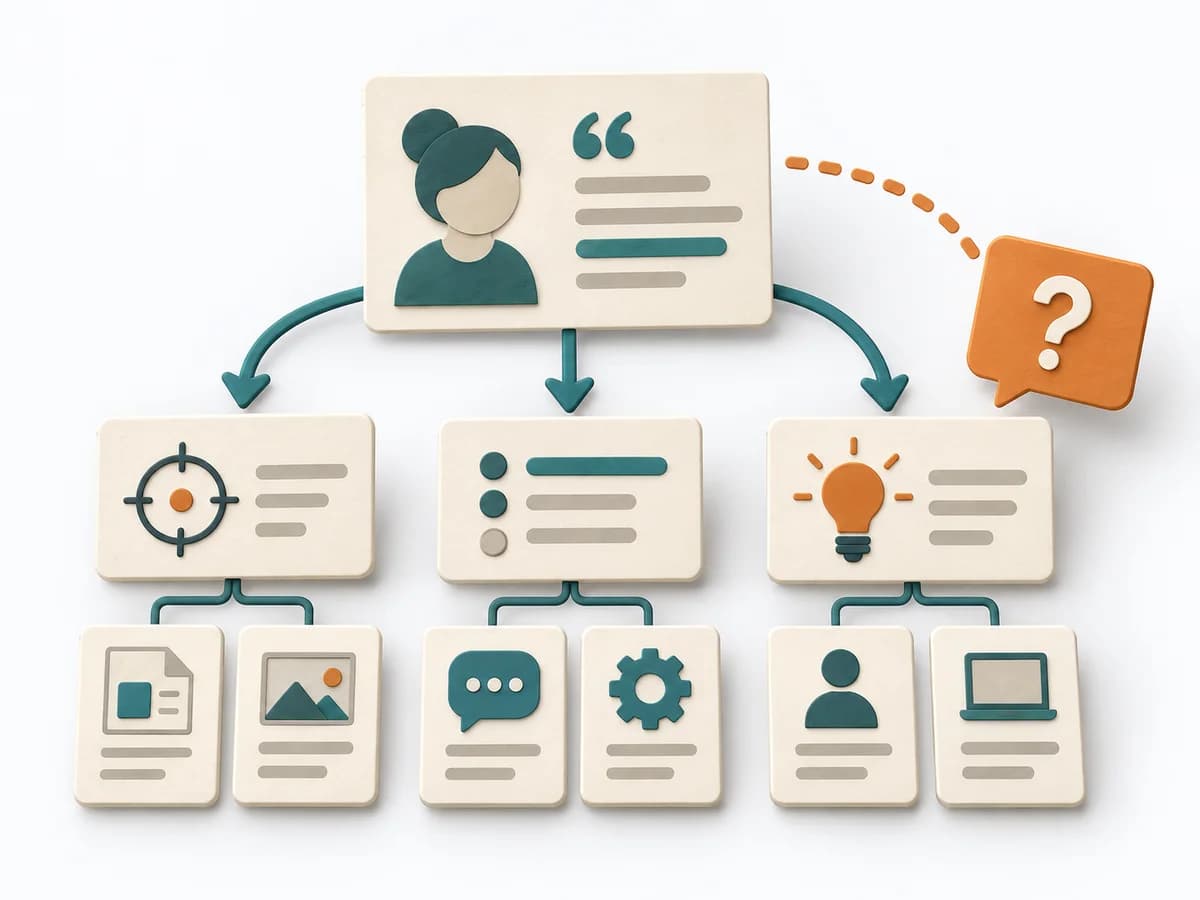
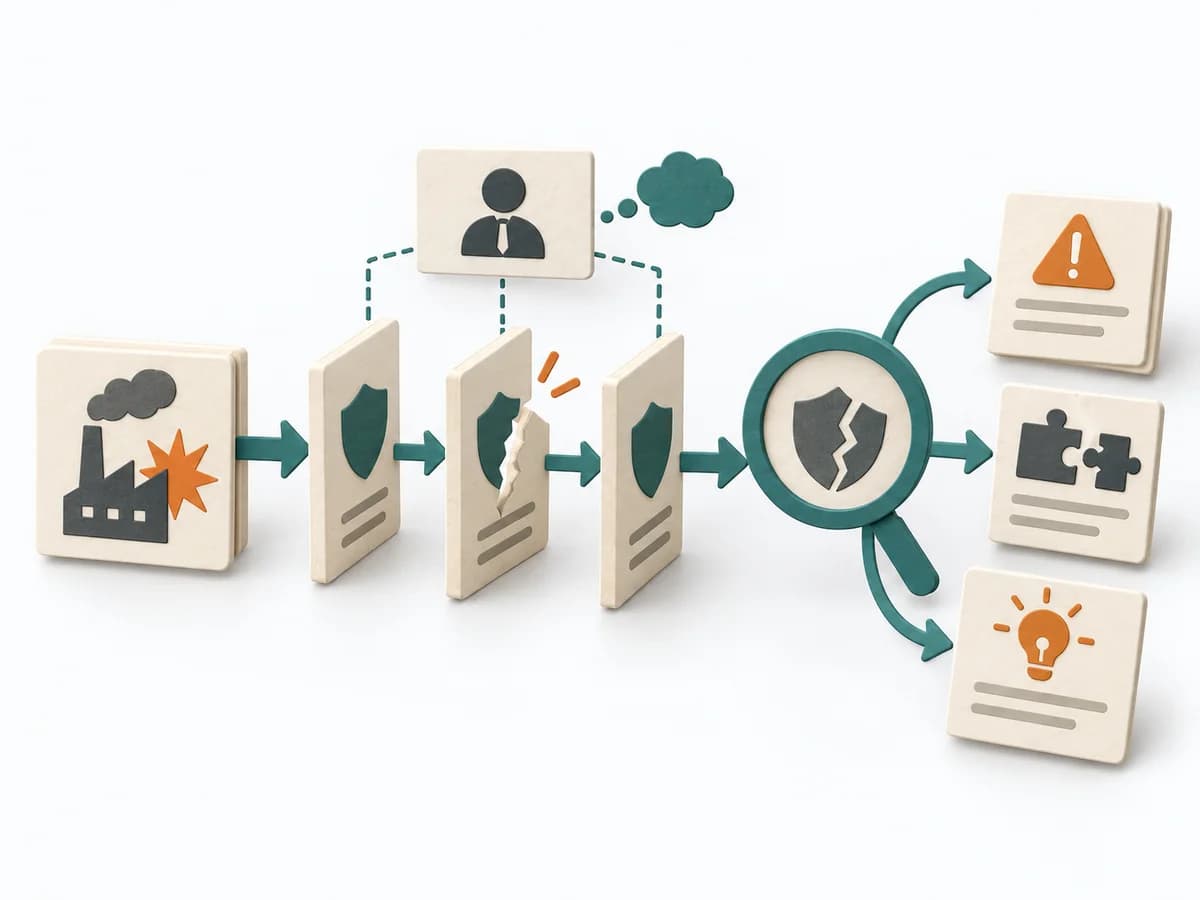
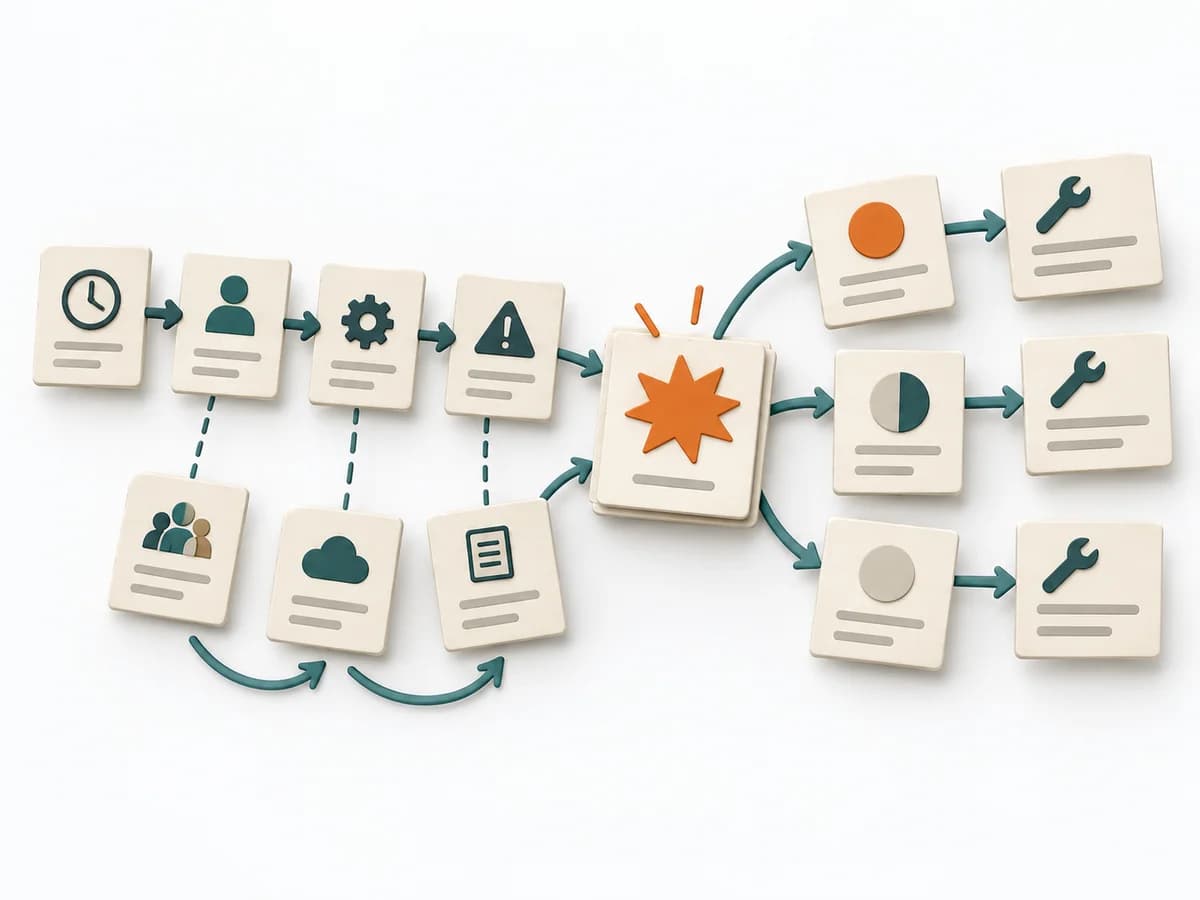
Purposedifferent | For a risk that can only be managed through multiple layers of protection, the method examines the effectiveness of each barrier. It shows where safeguards are missing, too weak, or fail under real conditions. | When business rules need to become precise, it ties language, example, and test together. It sorts work by value, risk, and delivery ability. The result is captured as an Example Table and Acceptance Tests. | When a story needs clear checkpoints before implementation, it sharpens expectation and scope together. It sorts work by value, risk, and delivery ability. The result is captured as Acceptance Criteria and a Story Update. |
Complexitydifferent | Medium | Medium | Low |
Timedifferent | 2-4 h | 60-90 min pro Feature | 20-40 min pro Story |
Participantsdifferent | 2-6 | 3-6 | 3-6 |
Formatdifferent | Workshop + async | Workshop | Workshop |
Outputdifferent | Barrier Inventory, Failure Analysis per Barrier, Action Backlog | Example Table, Acceptance Tests | Acceptance Criteria, Story Update |
Tagsno overlap | Root causeSafetyIncident | AgileRequirementsExamplesBehavior-Driven Development | AgileRequirementsRefinementBehavior-Driven Development |
Often compared together
Methods with strong topical overlap with the current selection, not yet in the comparison.