View methods side by side.
Choose up to four methods. Add them using the search and share the comparison by copying its link.
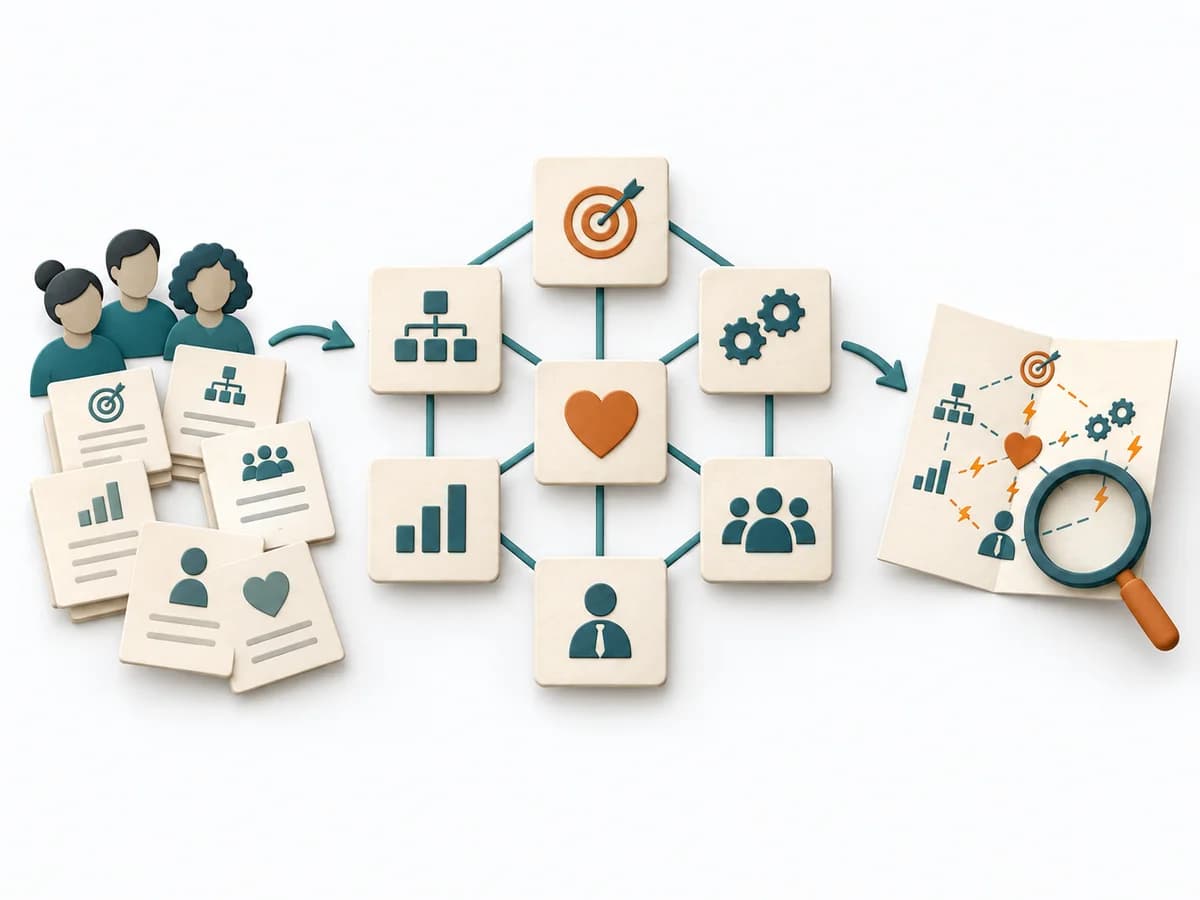
| Criterion |  Facilitation Alignment Mapping | 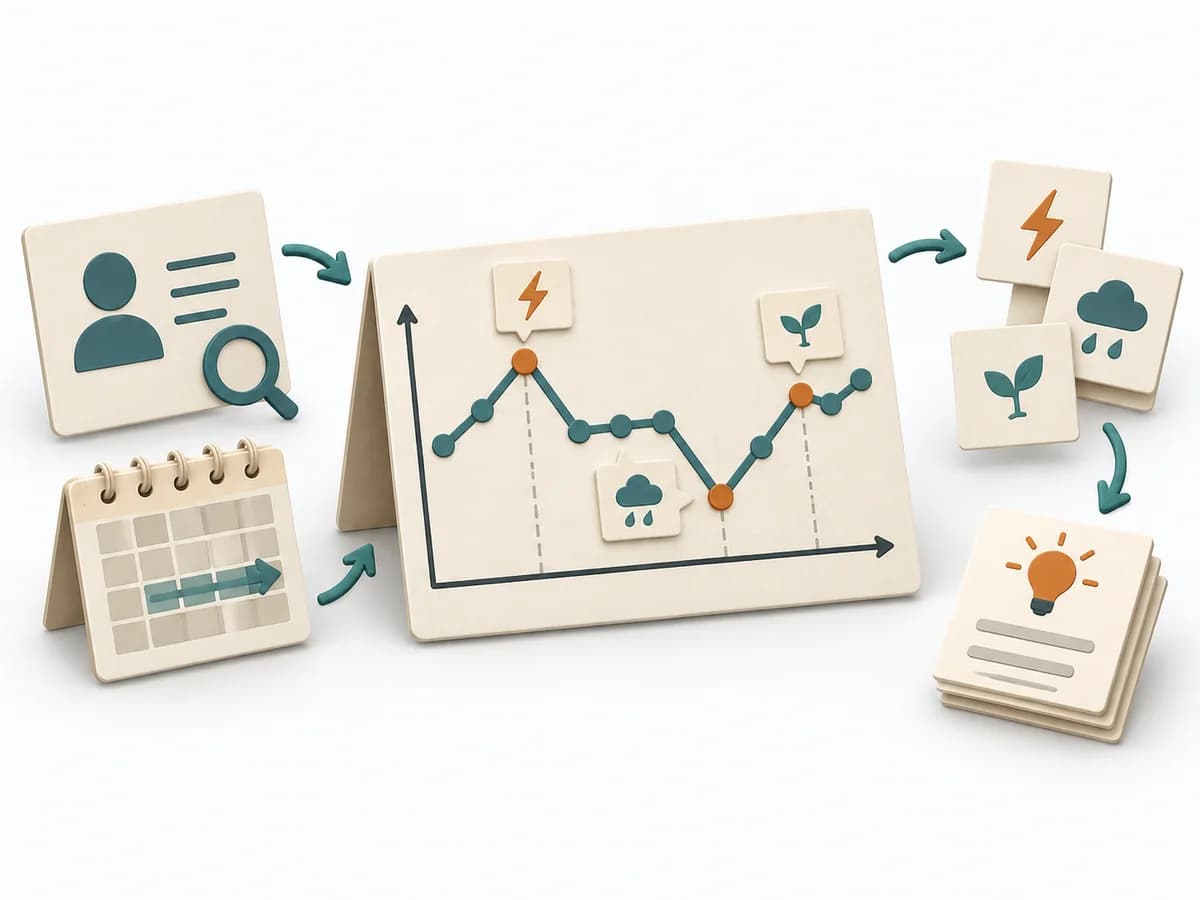 Systems Thinking Behavior Over Time Graph |  Facilitation Stakeholder Mapping |
|---|---|---|---|
Purposedifferent | When several people work toward one goal but hold different mental maps, Alignment Mapping makes the discrepancies visible. It arranges goals, assumptions, and priorities so shared direction becomes verifiable. | A Behavior Over Time Graph shows how a metric or observation develops over time. The method makes trends, breaks, and recurring patterns visible that get lost in snapshots. | When an initiative depends on many people, interests, and power dynamics, Stakeholder Mapping systematically orders the environment. It shows who influences, who is affected, and where relationship management or safeguarding matters first. |
Complexitydifferent | Medium | Low | Low |
Timedifferent | 1-2 h | 20-45 min | 60–90 min |
Participantsdifferent | 4-12 | 1-10 | 2-8 |
Formatdifferent | Workshop | Workshop + async | Workshop + async |
Outputdifferent | Alignment Map, Open Issues, Decision Questions | Behavior Over Time Graph, Trend Hypotheses, Key Events | Stakeholder Map, Engagement Plan, Risk Notes |
Tagsno overlap | AlignmentStakeholdersStrategyFacilitation | Systems thinkingPatternsDynamics | StakeholdersAlignmentFacilitationChange |
Often compared together
Methods with strong topical overlap with the current selection, not yet in the comparison.