View methods side by side.
Choose up to four methods. Add them using the search and share the comparison by copying its link.
| Criterion |  Operations Accountability Ladder |  Facilitation Responsibility Poker |  Facilitation Stakeholder Salience Model |
|---|---|---|---|
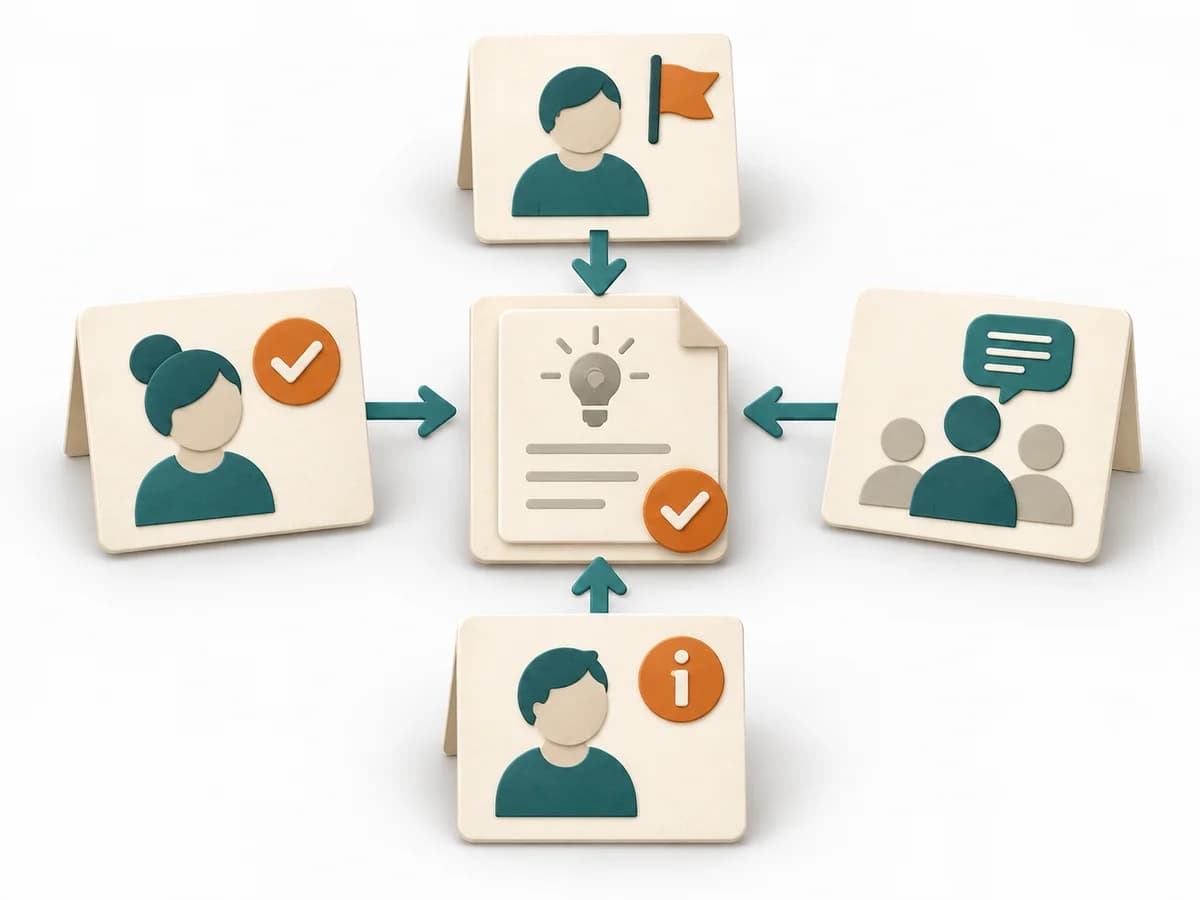
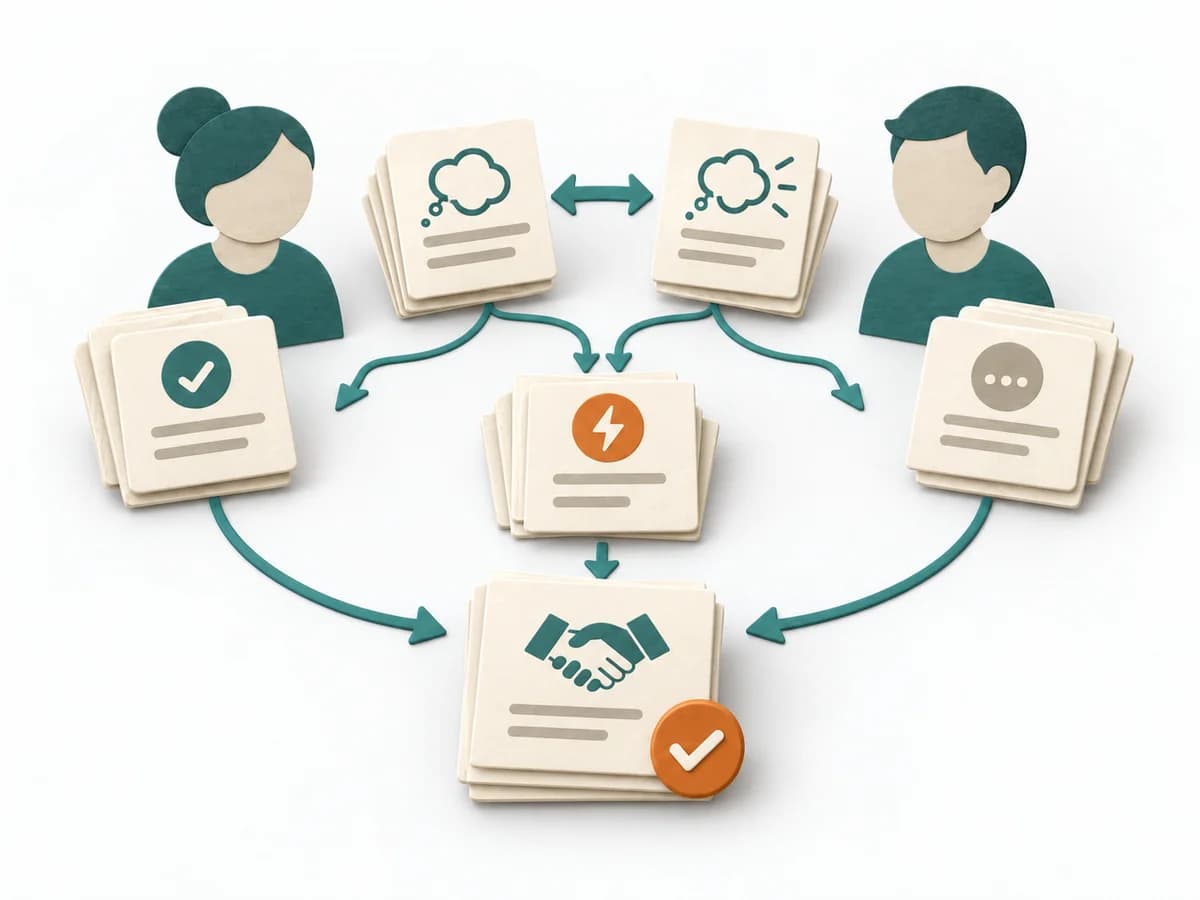
Purposedifferent | With defensive reactions to problems, the method shifts the view from justification to ownership. It makes visible which reaction stage a person or team is currently stuck on. | When it stays unclear who carries responsibility and who only contributes, Responsibility Poker makes the distribution of responsibility explicit. It sharpens the boundaries between weighing in, deciding, and bearing consequences. | When stakeholders appear to matter very differently, the Stakeholder Salience Model rates their actual priority through power, legitimacy, and urgency. It turns individual contributions into a visible selection. The result is captured as a Salience diagram and a class-based strategy. |
Complexitydifferent | Low | Low | Medium |
Timedifferent | 20-45 min | 45-90 min | 60-90 min |
Participantsdifferent | 1-8 | 3-10 | 3-6 |
Formatdifferent | Workshop + async | Workshop | Workshop |
Outputdifferent | Ownership Reflection, Action Commitment, Coaching Notes | Responsibility Map, Role Agreements, Open Questions | Salience Diagram, Strategy per Class |
Tagsno overlap | ResponsibilityLeadershipTeam | RolesResponsibilityTeamFacilitation | StakeholdersFacilitationAlignmentGovernance |
Often compared together
Methods with strong topical overlap with the current selection, not yet in the comparison.