View methods side by side.
Choose up to four methods. Add them using the search and share the comparison by copying its link.
| Criterion | 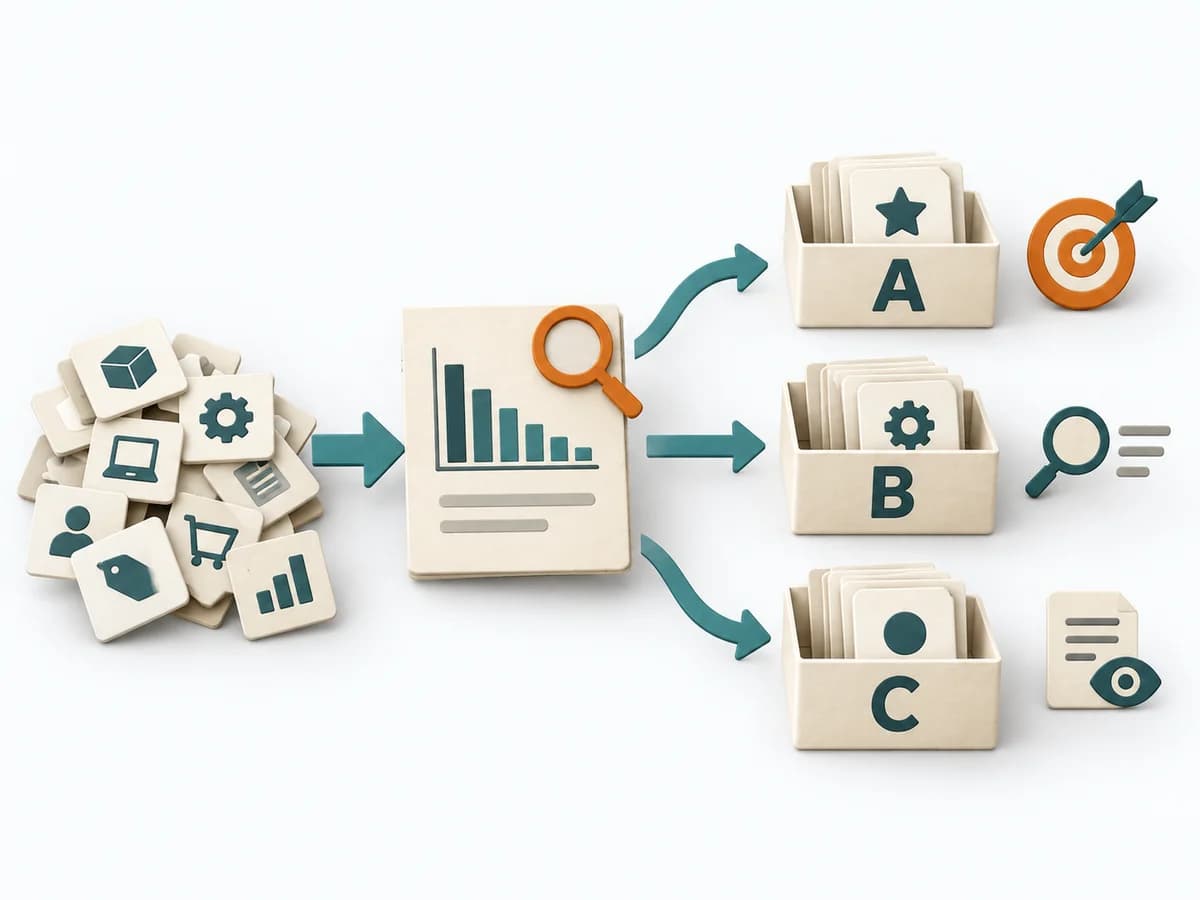 Operations ABC Analysis | 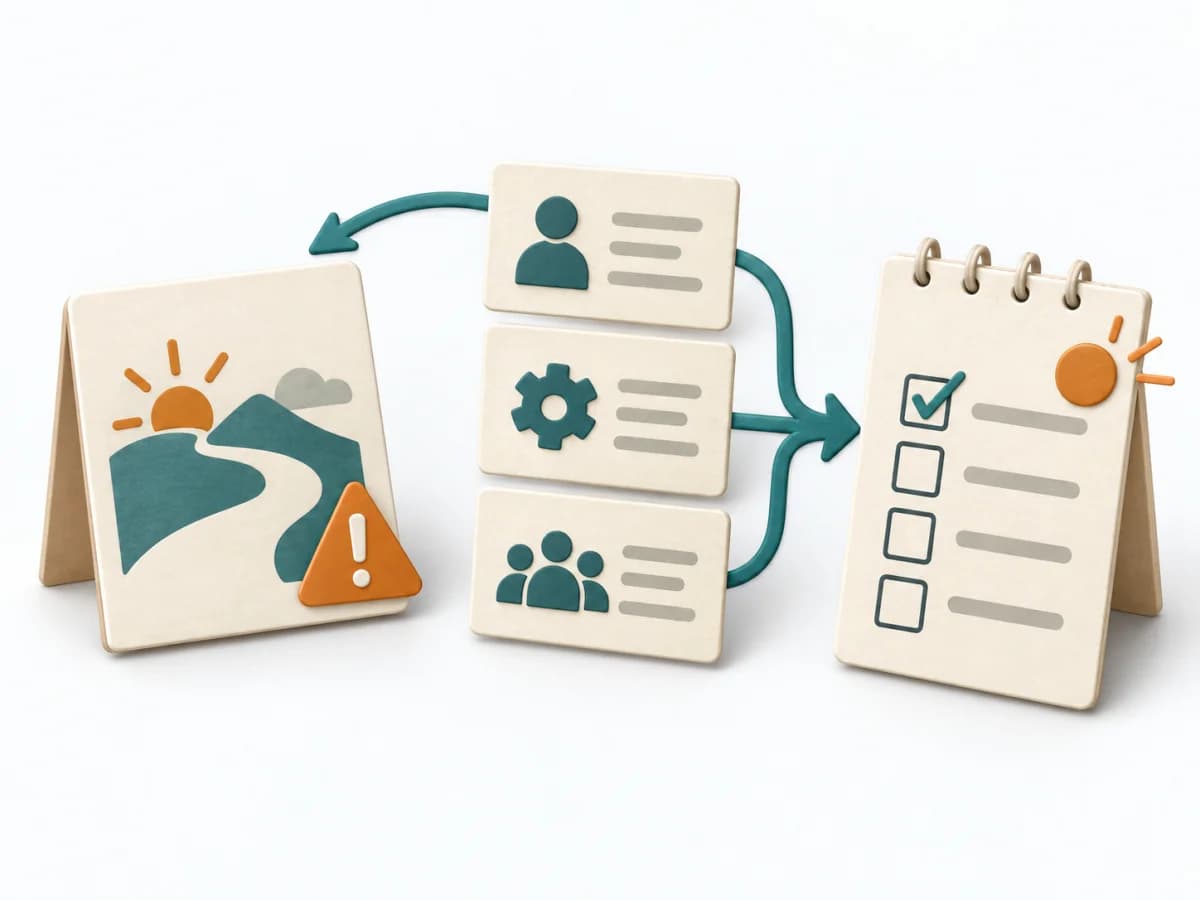 Decision Making Pre-Mortem | 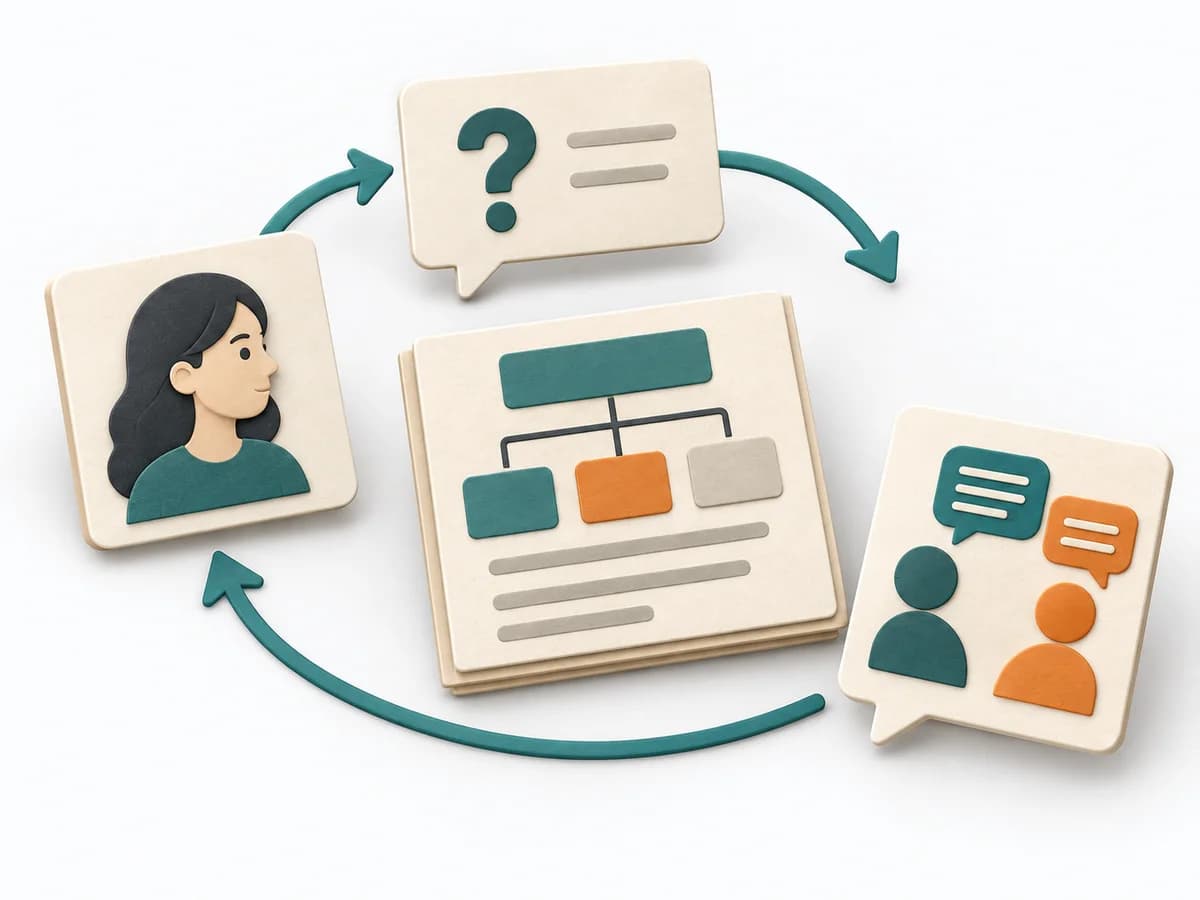 Architecture Architecture Communication Canvas |
|---|---|---|---|
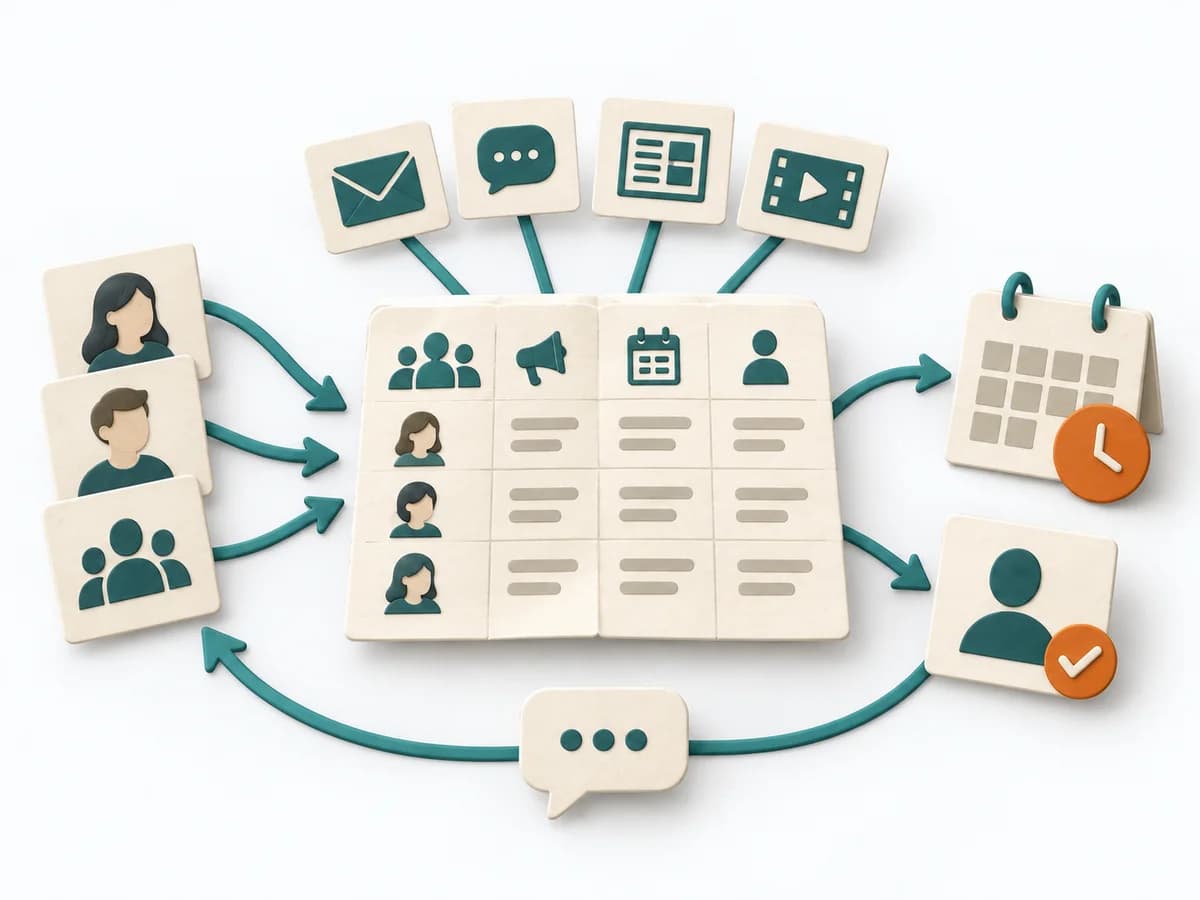
Purposedifferent | With many similar objects of differing economic significance, the method prioritizes effort by effect. It separates what needs regular steering from what rarely needs attention. | In early initiatives with many uncertainties, planning quickly turns too optimistic. A pre-mortem makes the expected failure visible in advance and sharpens the view of causes, gaps, and countermeasures. | The Architecture Communication Canvas plans architecture communication so the right people receive the right message. The method turns technical complexity into deliberate communication design. |
Complexitydifferent | Low | Low | Medium |
Timedifferent | 30-60 min | 20–45 min | 60-120 min |
Participantsdifferent | 1-5 | Small cross-functional group | 2-8 |
Formatdifferent | Async | Workshop | Workshop + async |
Outputdifferent | ABC Classification, Focus Rules, Control List | Risk list, Mitigation plan, Assumption log | Communication Canvas, Stakeholder Messages, Architecture Communication Plan |
Tagsno overlap | PrioritizationOperationsPortfolio | RiskDecisionFailurePlanning | ArchitectureCommunicationStakeholdersCanvas |
Often compared together
Methods with strong topical overlap with the current selection, not yet in the comparison.