View methods side by side.
Choose up to four methods. Add them using the search and share the comparison by copying its link.
| Criterion | 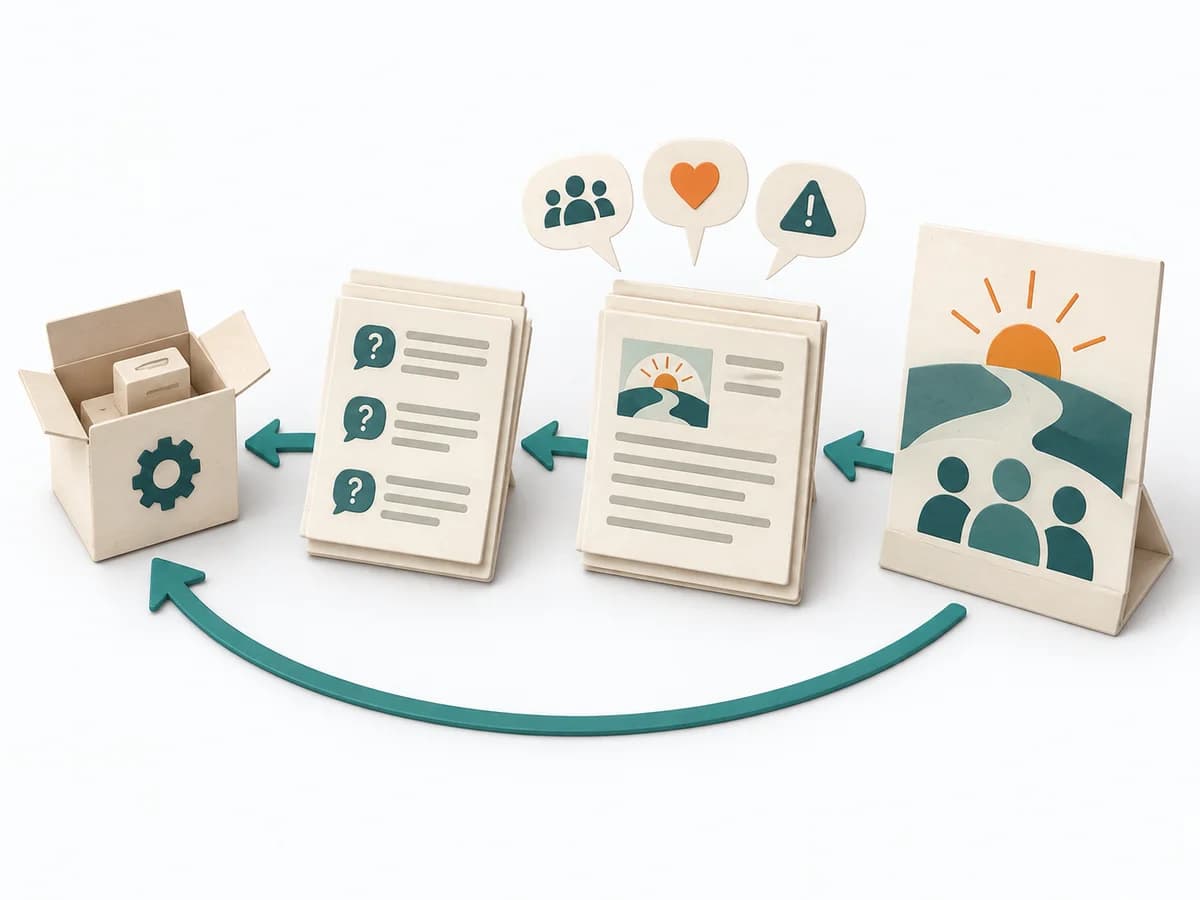 Product Discovery Working Backwards |  Facilitation Expectation Mapping |  Architecture ATAM (Architecture Tradeoff Analysis Method) |
|---|---|---|---|
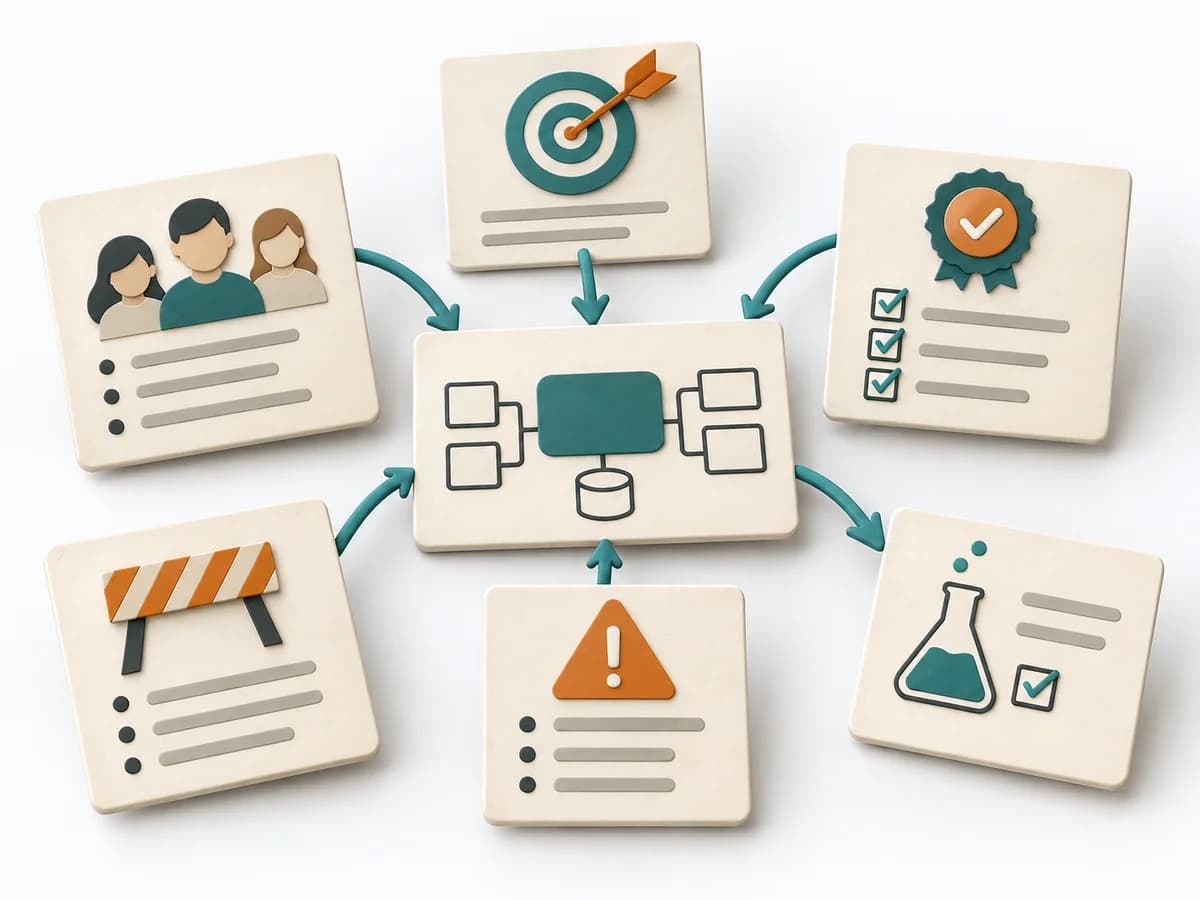
Purposedifferent | When the target state and benefit need to be clear first, it thinks backward from the desired outcome into the product logic. It sharpens vision, objections, and value proposition before elaboration. | When roles, interfaces, or projects fail because of differing expectations, Expectation Mapping surfaces these differences. It shows what each side takes for granted and where the pictures diverge. | ATAM helps teams weigh architecture decisions when quality goals compete. The team considers business goals, stakeholder expectations, and technical decisions together. The evaluation shows which risks need further investigation. |
Complexitydifferent | Medium | Low | High |
Timedifferent | 4-8 h, mehrere Iterationen | 45-90 min | Several meetings plus preparation and analysis; total effort depends on scope |
Participantsdifferent | 2-6 | 3-12 | Evaluation team, architects, and relevant stakeholders |
Formatdifferent | Workshop + async | Workshop | Workshop + async |
Outputdifferent | Future Press Release, FAQ, Vision Statement | Expectation Map, Alignment Notes, Agreements | Prioritized quality scenarios in a utility tree, Architecture risks with reasoning and assumptions, Sensitivity and trade-off points, Findings report with open investigations |
Tagsno overlap | VisionNarrativeAlignment | AlignmentStakeholdersTeam | ArchitectureQualityRiskTradeoffsStakeholders |
Often compared together
Methods with strong topical overlap with the current selection, not yet in the comparison.