View methods side by side.
Choose up to four methods. Add them using the search and share the comparison by copying its link.
| Criterion | 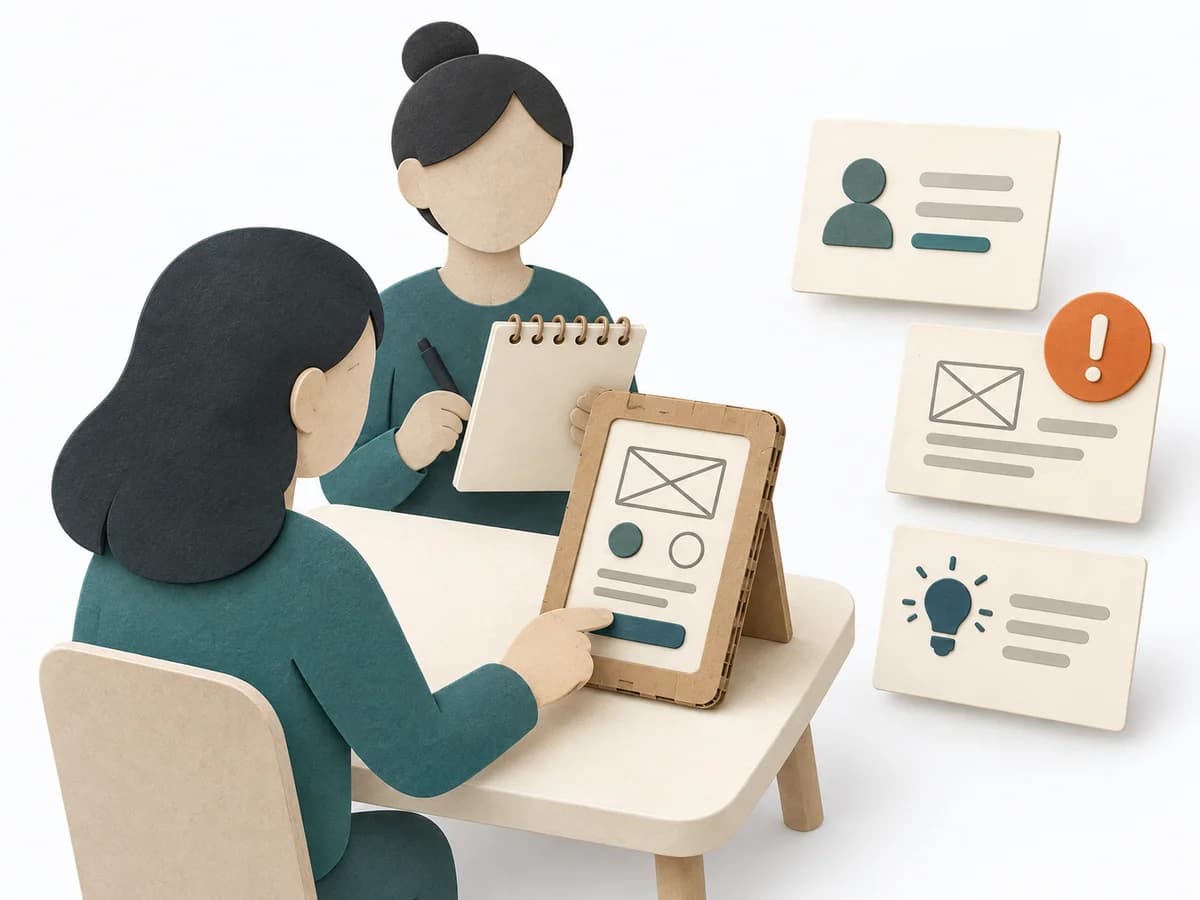 UX Research Usability Testing | 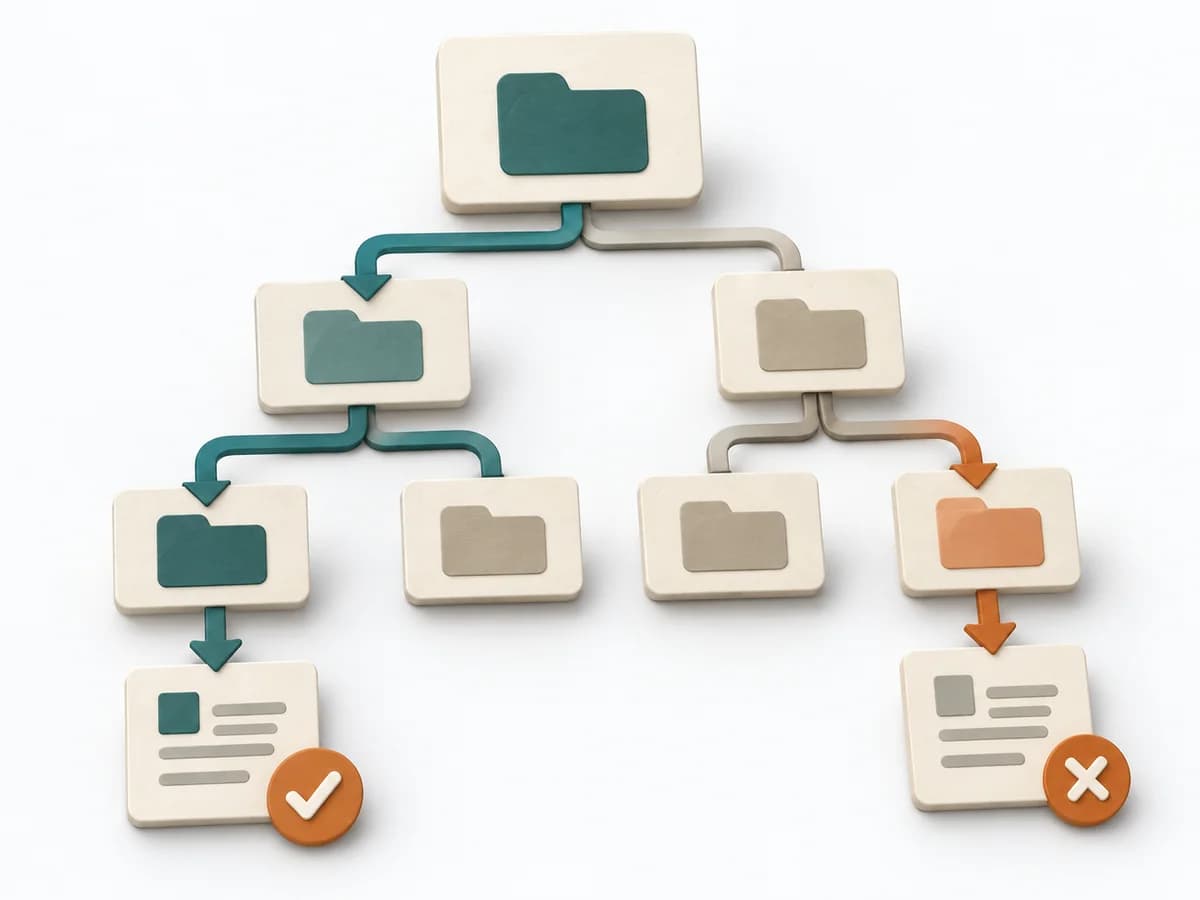 UX Research Tree Testing | 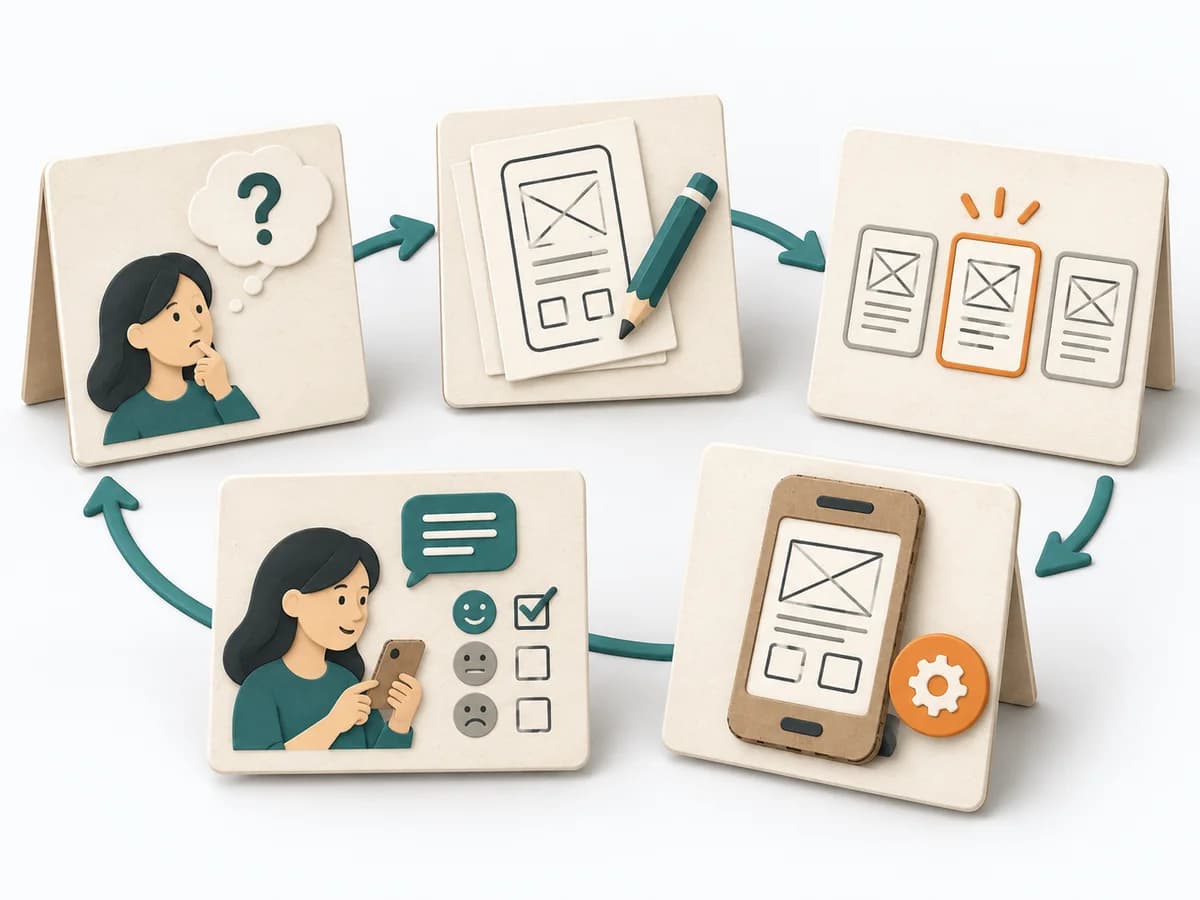 Innovation Design Sprint |
|---|---|---|---|
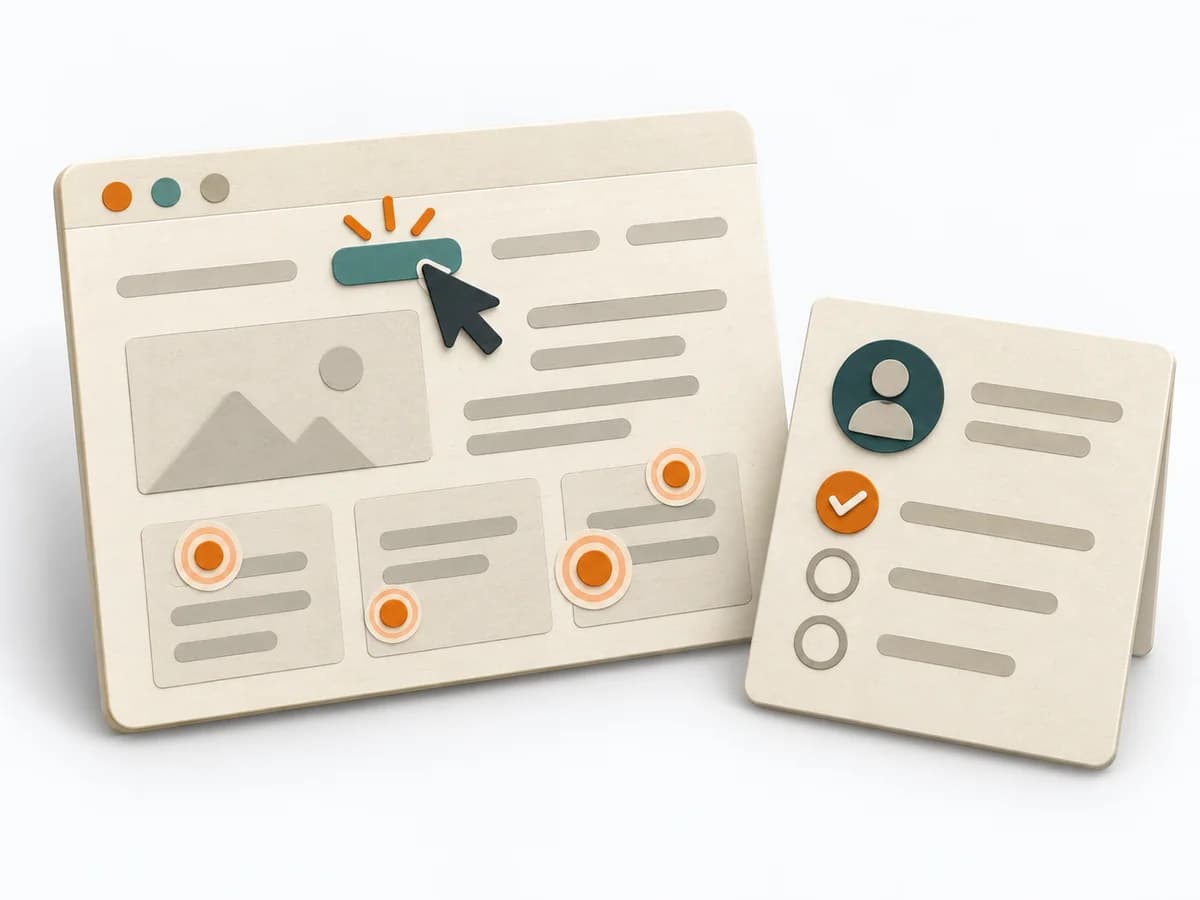
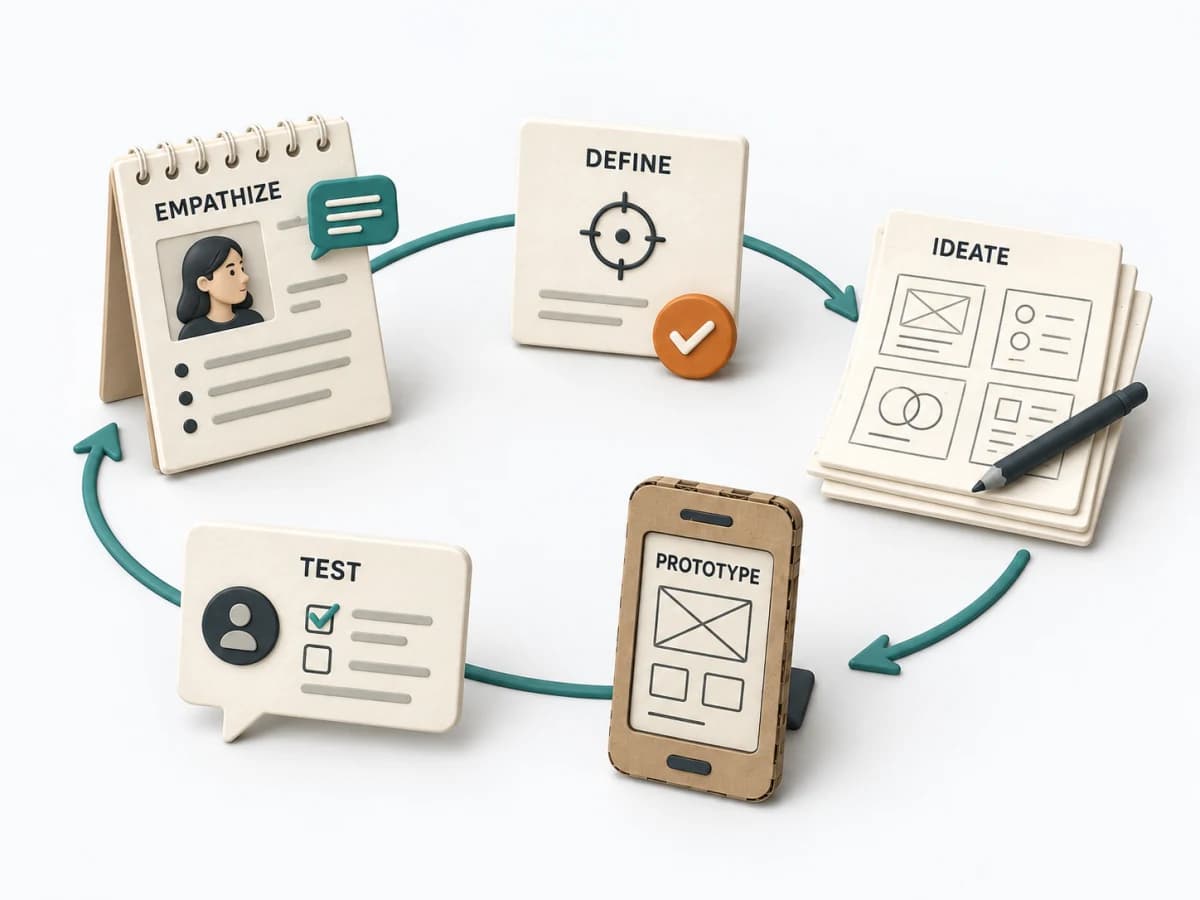
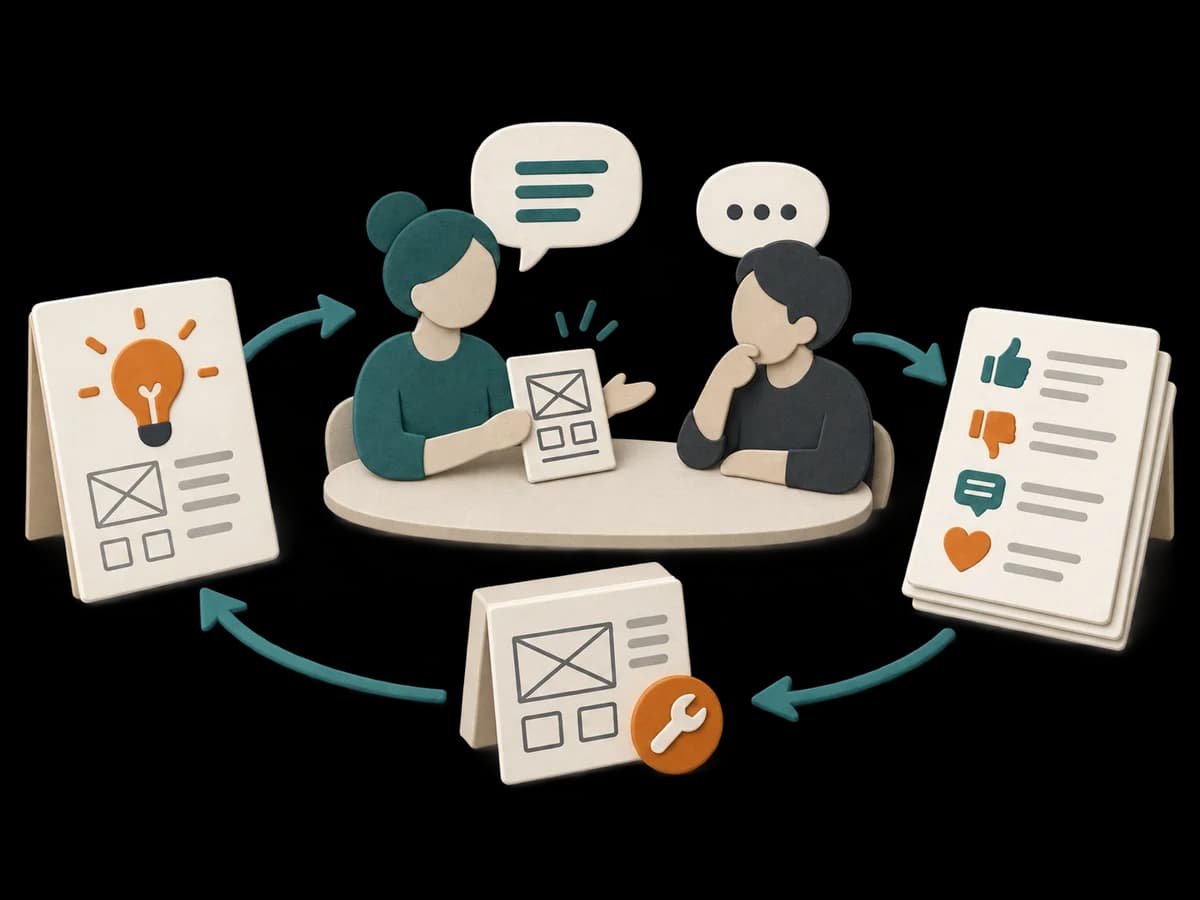
Purposedifferent | When a product is built but people get stuck on tasks, usability testing shows the friction at concrete points. Observed use instead of self-report makes visible where orientation, understanding, or interaction breaks down. | When a navigation exists but search paths still fail, tree testing checks findability without visual distraction. The method shows whether labels, levels, and paths really lead to the intended destination. | When the product question is unclear and time pressure is high, the method takes a team from an open idea to a testable solution. It connects problem understanding, decision, and learning in one compact format, lowering the risk of spending a lot of energy on a mere guess. |
Complexitydifferent | Medium | Medium | High |
Timedifferent | 1-2 h je Session | 1-2 Tage | 4-5 Tage |
Participantsdifferent | Based on research question | Based on research question | 5-8 |
Formatdifferent | Workshop + async | Async | Workshop |
Outputdifferent | Usability Issues, Severity List, Recommendations | Findability Metrics, Path Analysis, Revised IA | Prototype, Test Findings, Decision Rationale |
Tagsno overlap | ValidationUXPrototype | Information architectureNavigationFindability | Design sprintPrototypeValidationInnovation |
Often compared together
Methods with strong topical overlap with the current selection, not yet in the comparison.