View methods side by side.
Choose up to four methods. Add them using the search and share the comparison by copying its link.
| Criterion | 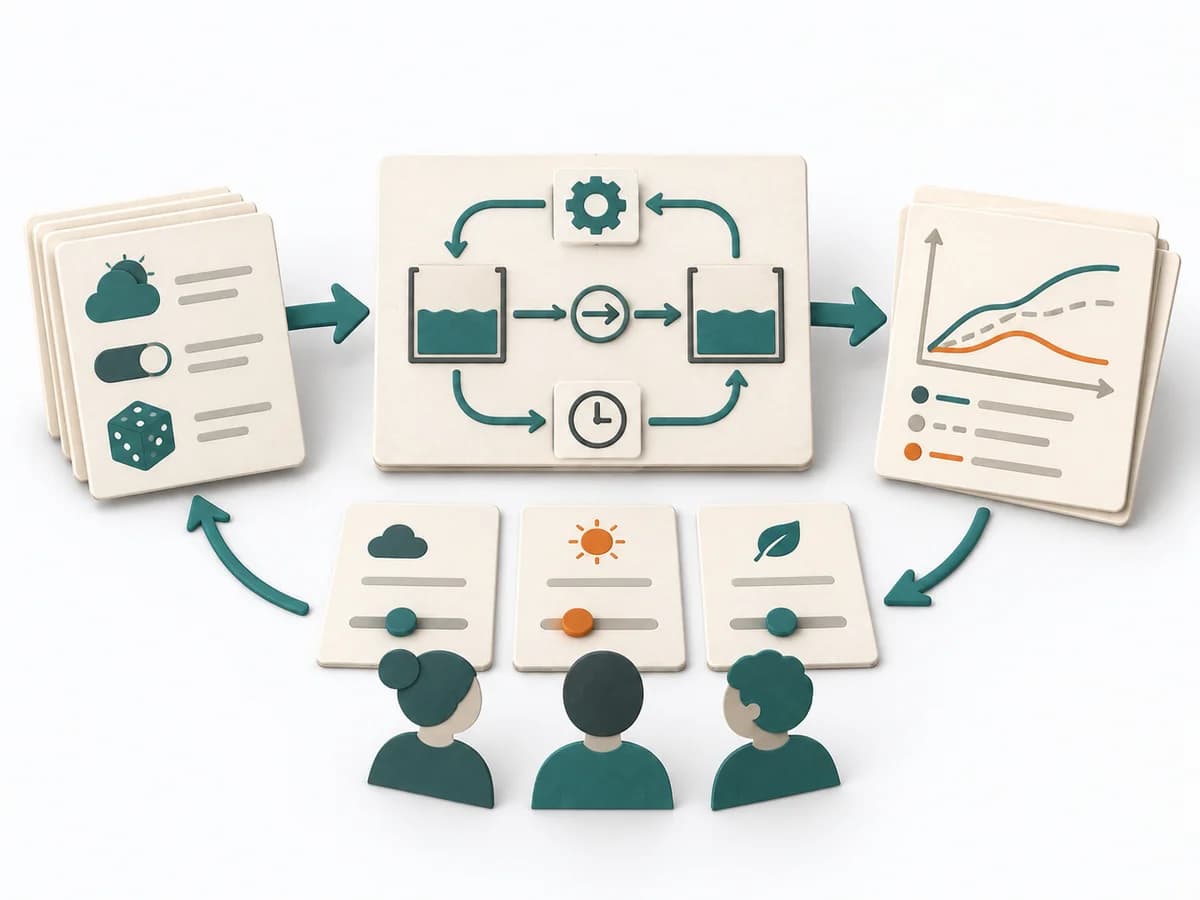 Systems Thinking System Dynamics Simulation |  Facilitation Stakeholder Mapping |  Architecture SAAM (Software Architecture Analysis Method) |
|---|---|---|---|
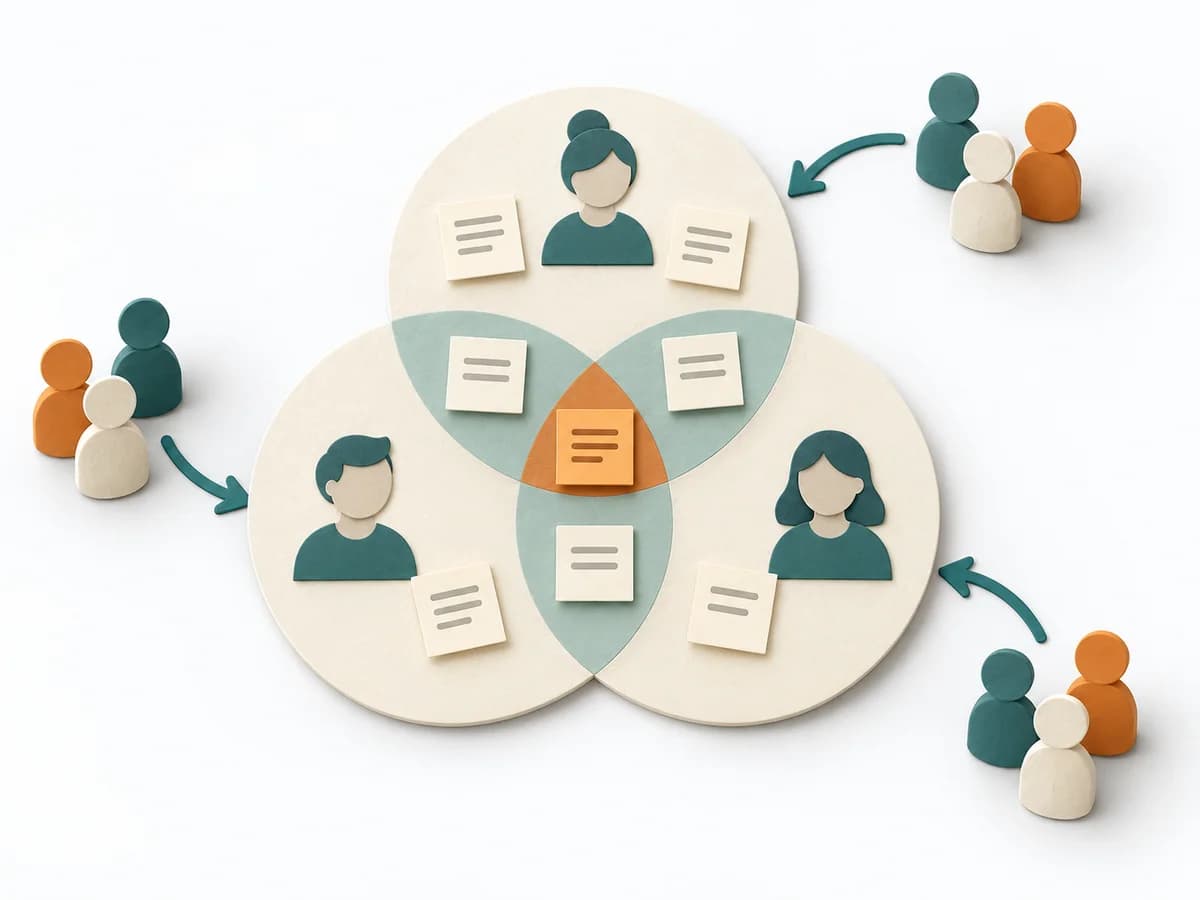
Purposedifferent | System Dynamics Simulation makes assumptions about time, delay, and feedback testable through experiments. It draws relationships, patterns, and feedback loops. The result is captured as a simulation model and scenario reports. | When an initiative depends on many people, interests, and power dynamics, Stakeholder Mapping systematically orders the environment. It shows who influences, who is affected, and where relationship management or safeguarding matters first. | SAAM helps teams judge an architecture’s suitability for selected tasks and changes. It is particularly useful for examining modifiability and comparing architecture alternatives with clear reasoning. |
Complexitydifferent | High | Low | High |
Timedifferent | Mehrere Tage bis Wochen | 60–90 min | Preparation, scenario analysis, and findings review; effort depends on scope |
Participantsdifferent | 1-5 Modellierende, Stakeholder asynchron | 2-8 | Architecture experts and stakeholders for scenarios and weighting |
Formatdifferent | Async | Workshop + async | Workshop + async |
Outputdifferent | Simulation Model, Scenario Reports | Stakeholder Map, Engagement Plan, Risk Notes | Domain functions mapped to components and connections, Quality attributes and evaluation criteria, Typical tasks and their effects on the architecture, Reasoned evaluation or comparison of alternatives |
Tagsno overlap | Systems thinkingDynamicsSimulationAnalysis | StakeholdersAlignmentFacilitationChange | ArchitectureChangeAnalysisComparisonQuality |
Often compared together
Methods with strong topical overlap with the current selection, not yet in the comparison.