View methods side by side.
Choose up to four methods. Add them using the search and share the comparison by copying its link.
| Criterion |  UX Research Surveys | 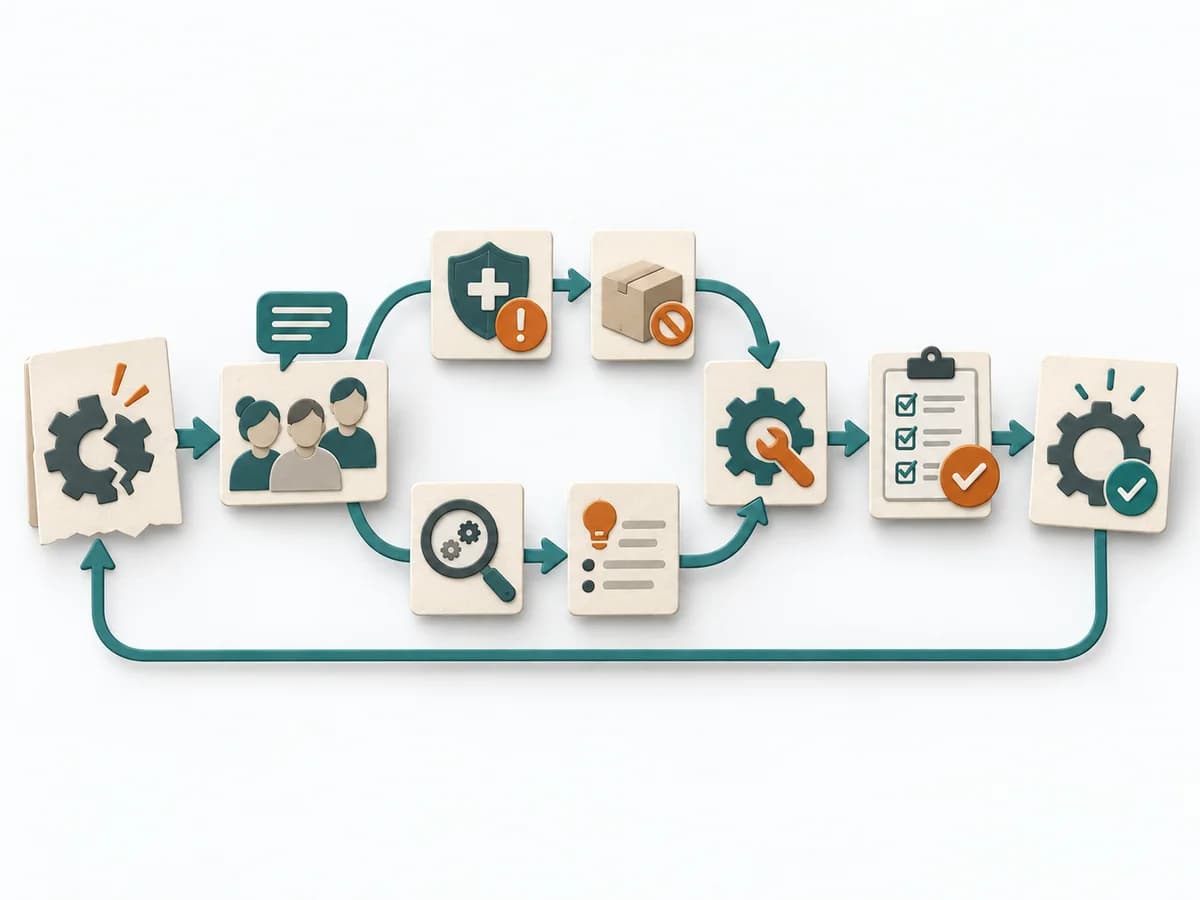 Operations 8D Problem Solving | 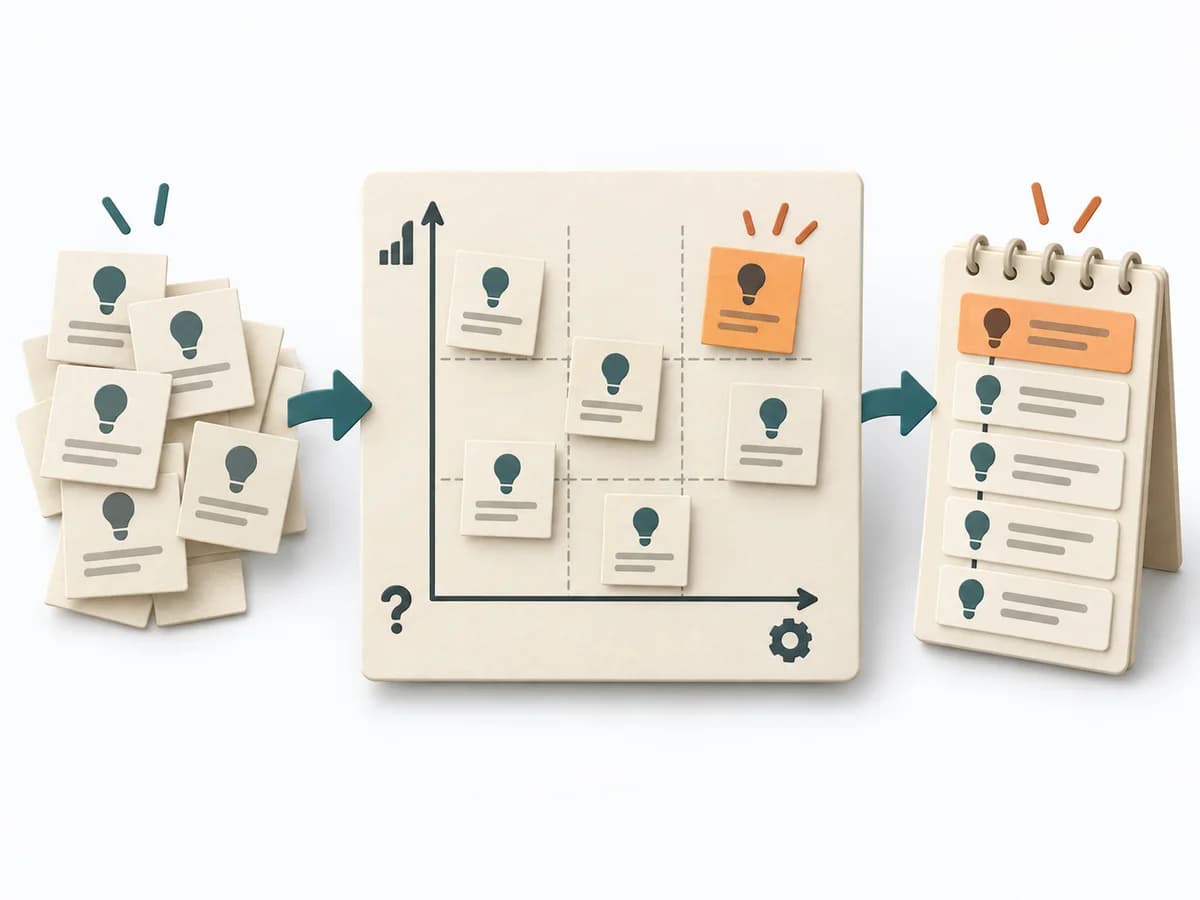 Product Discovery Hypothesis Prioritization Canvas |
|---|---|---|---|
Purposedifferent | When a topic needs to be validated broadly and many people can answer the same question, surveys gather structured feedback in a scalable form. Answers become comparable and segmentable instead of remaining merely anecdotal. | For an acute quality or delivery problem, the method structures immediate protection and root cause work together. It keeps the situation stable while the actual cause is investigated cleanly. | When many hypotheses compete for attention, it brings order to their learning sequence and importance. It separates problem, assumption, solution, and evidence. The result is captured as a prioritization canvas and a hypothesis backlog. |
Complexitydifferent | Medium | High | Medium |
Timedifferent | 3-14 Tage | 1-6 Wochen | 60-90 min |
Participantsdifferent | 50+ | 4-10 | 3-8 |
Formatdifferent | Async | Workshop + async | Workshop |
Outputdifferent | Survey Results, Charts, Segment Insights | 8D Report, Containment Plan, Root Cause Evidence, Corrective Action Plan | Prioritization Canvas, Hypothesis Backlog |
Tagsno overlap | QuantitativeResearchValidation | QualityProblem solvingRoot cause | ExperimentsPrioritizationDiscoveryHypothesis |
Often compared together
Methods with strong topical overlap with the current selection, not yet in the comparison.