View methods side by side.
Choose up to four methods. Add them using the search and share the comparison by copying its link.
| Criterion |  Facilitation Stakeholder Salience Model | 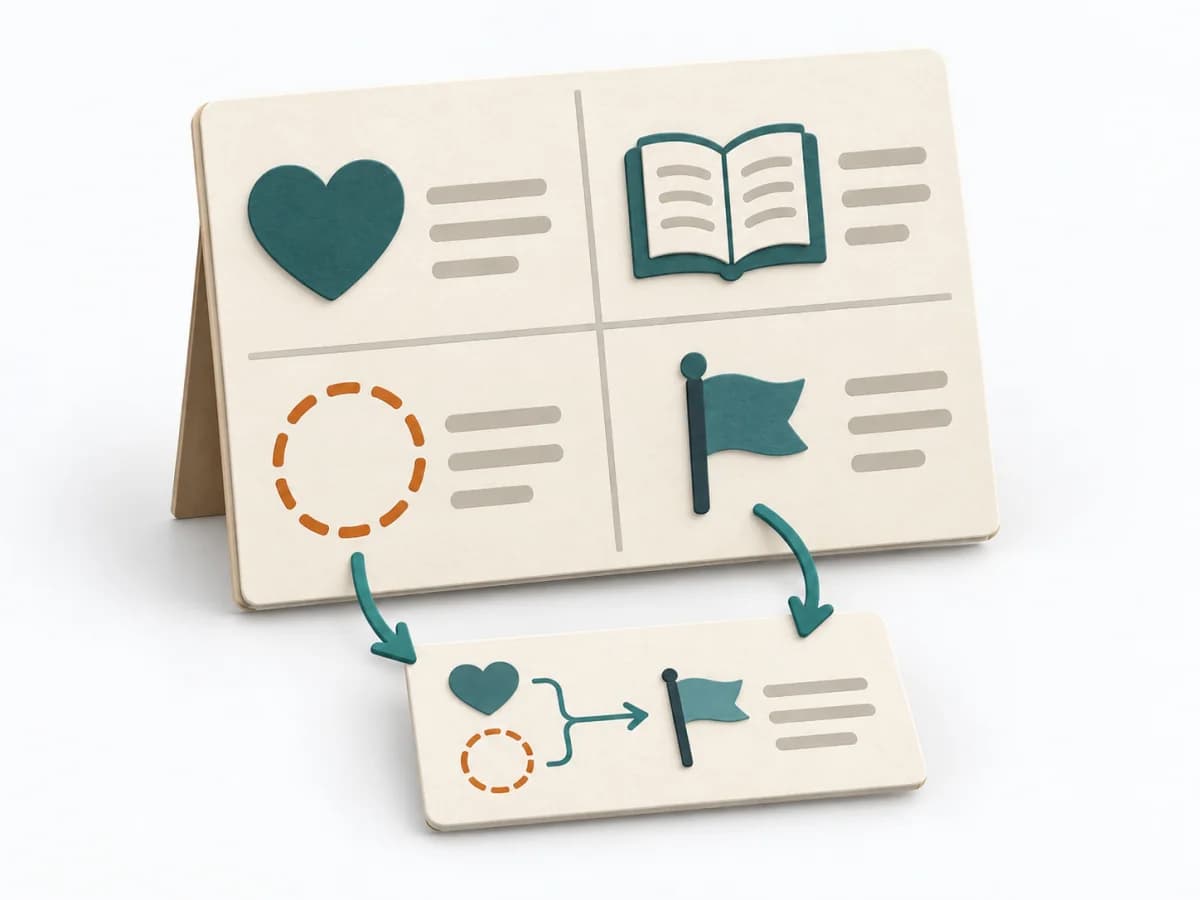 Agile 4Ls Retrospective |
|---|---|---|
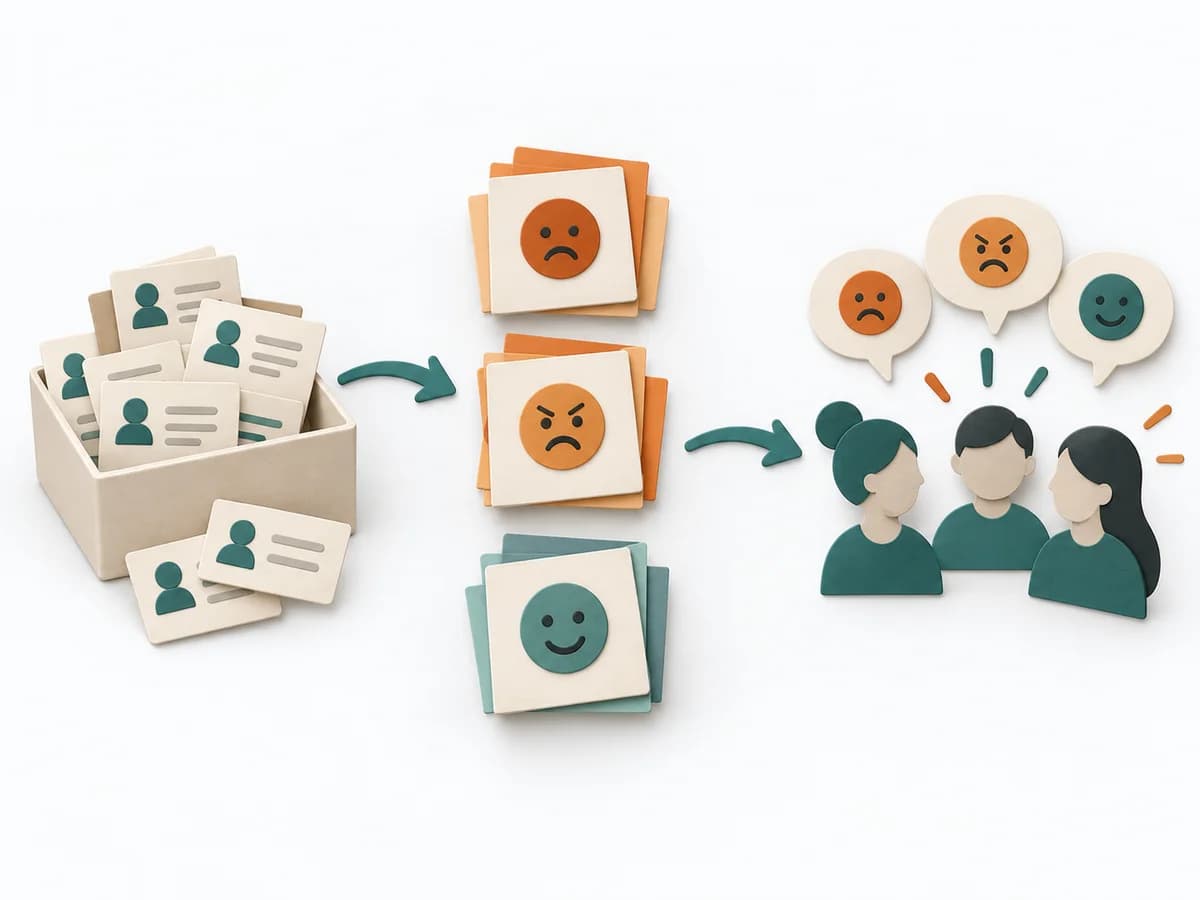
Purposedifferent | When stakeholders appear to matter very differently, the Stakeholder Salience Model rates their actual priority through power, legitimacy, and urgency. It turns individual contributions into a visible selection. The result is captured as a Salience diagram and a class-based strategy. | When a sprint should not only be assessed but also learned from, it captures experience in clear learning categories. It records what worked, what's missing, and what should run differently next time. |
Complexitydifferent | Medium | Low |
Timedifferent | 60-90 min | 45–75 min |
Participantsdifferent | 3-6 | Team members involved |
Formatsame | Workshop | Workshop |
Outputdifferent | Salience Diagram, Strategy per Class | 4Ls Board, Learning Themes, Improvement Actions |
Tagsno overlap | StakeholdersFacilitationAlignmentGovernance | RetrospectiveLearningReflectionTeam |
Often compared together
Methods with strong topical overlap with the current selection, not yet in the comparison.