View methods side by side.
Choose up to four methods. Add them using the search and share the comparison by copying its link.
| Criterion |  Facilitation Stakeholder Mapping |  Systems Thinking Current Reality Tree |
|---|---|---|
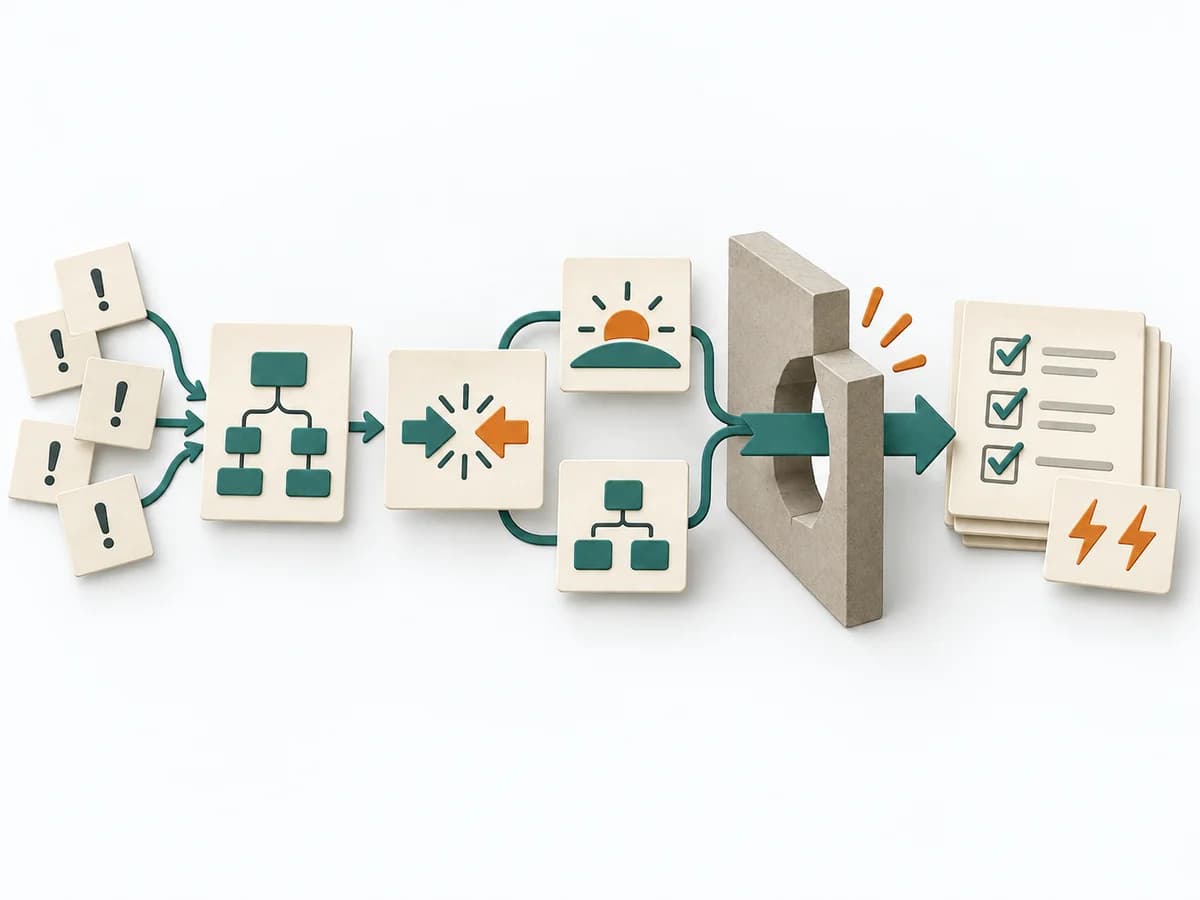
Purposedifferent | When an initiative depends on many people, interests, and power dynamics, Stakeholder Mapping systematically orders the environment. It shows who influences, who is affected, and where relationship management or safeguarding matters first. | A Current Reality Tree condenses many symptoms into a few causal chains. The method makes visible which core problems drive several negative effects at once. |
Complexitydifferent | Low | High |
Timedifferent | 60–90 min | 2-6 h |
Participantsdifferent | 2-8 | 3-8 |
Formatdifferent | Workshop + async | Workshop |
Outputdifferent | Stakeholder Map, Engagement Plan, Risk Notes | Current Reality Tree, Core Problems, Intervention Ideas |
Tagsno overlap | StakeholdersAlignmentFacilitationChange | Systems thinkingRoot causeConstraintsCausality |
Often compared together
Methods with strong topical overlap with the current selection, not yet in the comparison.