View methods side by side.
Choose up to four methods. Add them using the search and share the comparison by copying its link.
| Criterion | 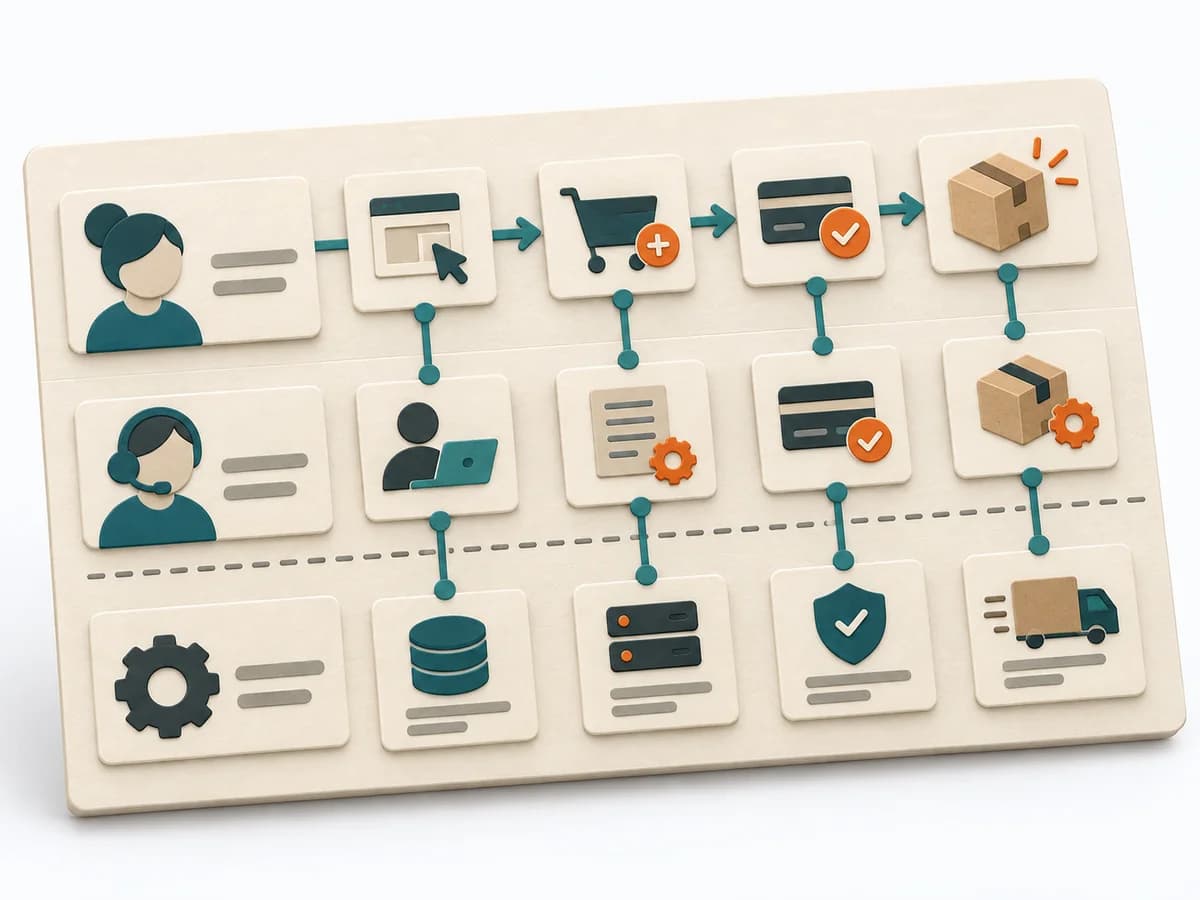 UX Design Service Blueprinting |  Facilitation Stakeholder Salience Model | 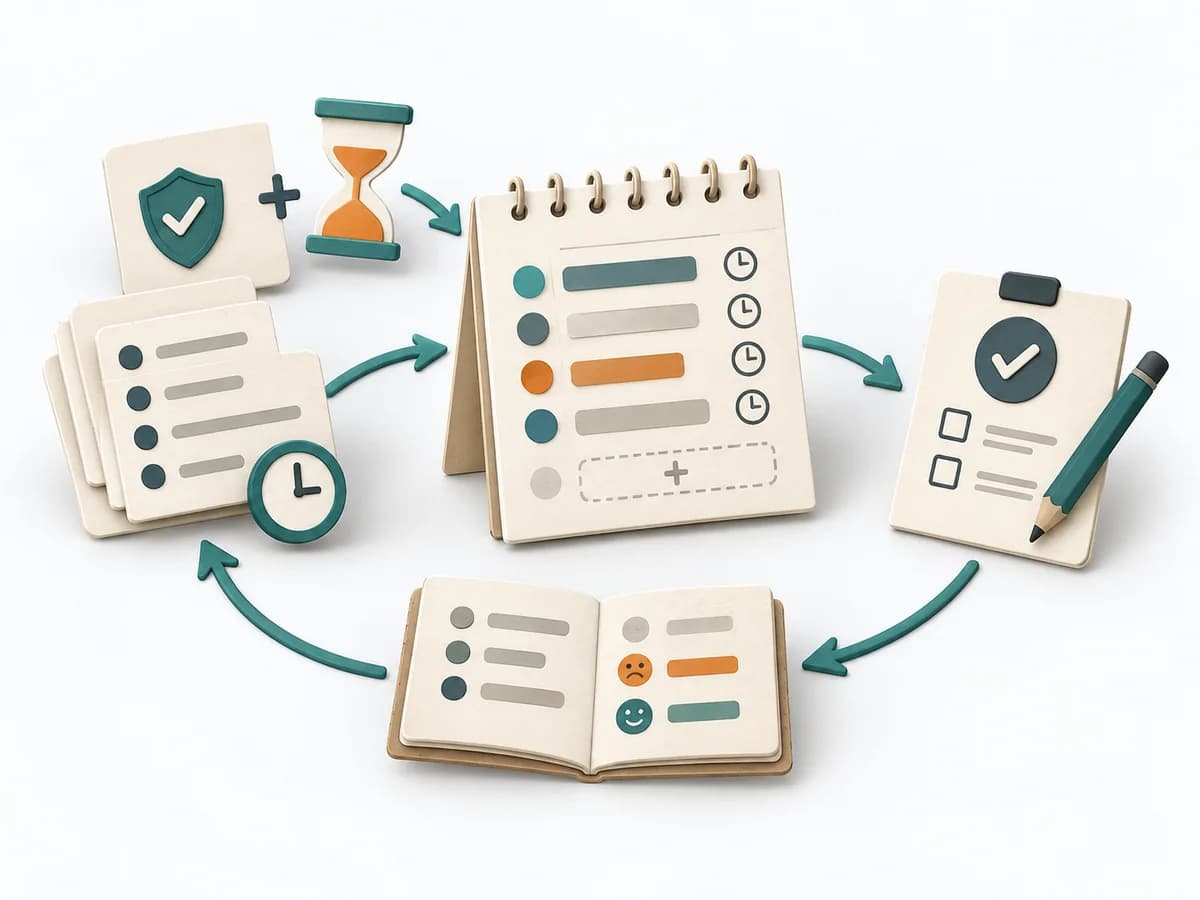 Operations ALPEN Method |
|---|---|---|---|
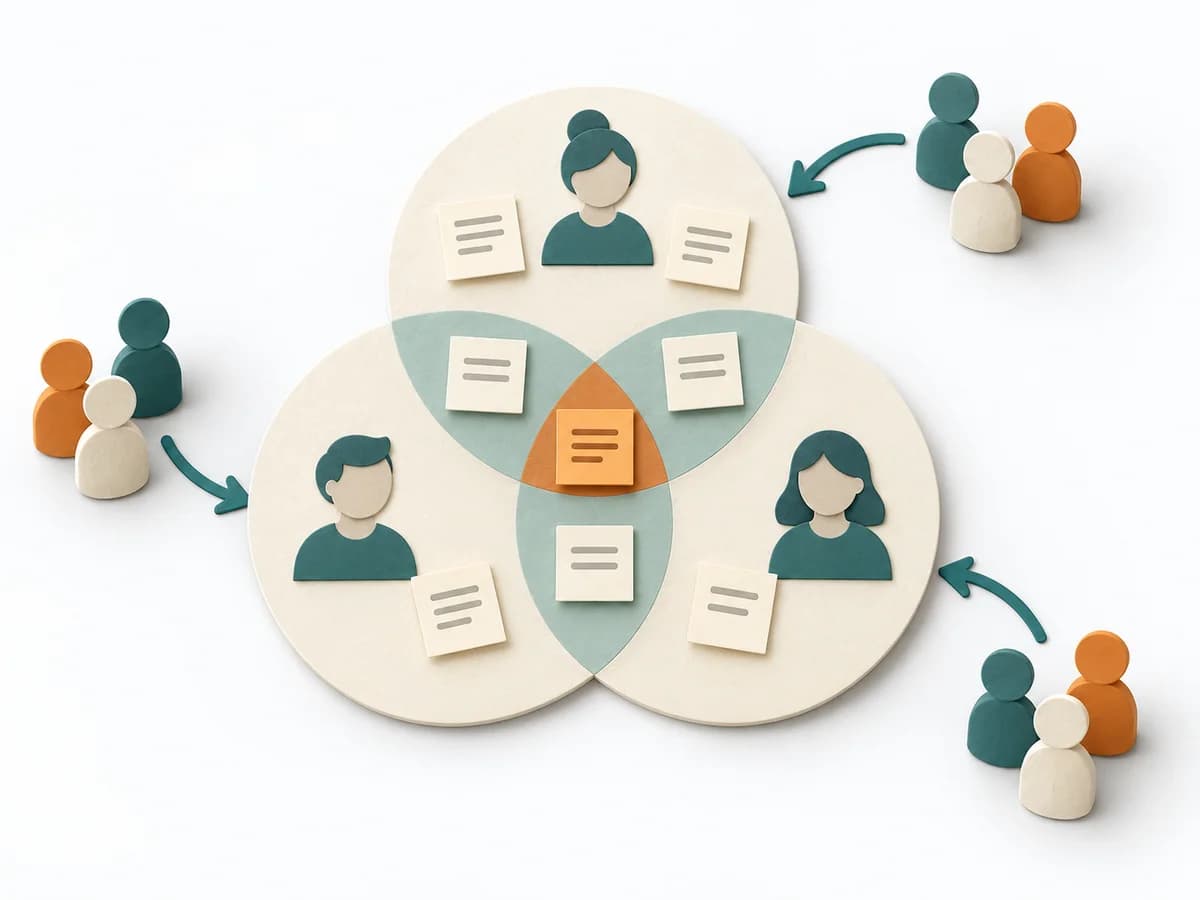
Purposedifferent | When a service experience is spread across several touchpoints, it brings frontstage and backstage together. It shows where user contact and internal responsibility must fit. | When stakeholders appear to matter very differently, the Stakeholder Salience Model rates their actual priority through power, legitimacy, and urgency. It turns individual contributions into a visible selection. The result is captured as a Salience diagram and a class-based strategy. | With an overloaded day full of too many tasks, a realistic picture of the day emerges. The method connects estimating, deciding, and buffer thinking so planning fits available energy and time. |
Complexitydifferent | High | Medium | Low |
Timedifferent | 0.5-2 Tage | 60-90 min | 10-20 min daily |
Participantsdifferent | 6-12 | 3-6 | 1 |
Formatdifferent | Workshop | Workshop | Async |
Outputdifferent | Service Blueprint, Fail Points, Ownership Map | Salience Diagram, Strategy per Class | Daily Plan, Time Estimates, Review Notes |
Tagsno overlap | Service designOperationsJourneyBlueprint | StakeholdersFacilitationAlignmentGovernance | PlanningTime managementProductivityOperations |
Often compared together
Methods with strong topical overlap with the current selection, not yet in the comparison.