View methods side by side.
Choose up to four methods. Add them using the search and share the comparison by copying its link.
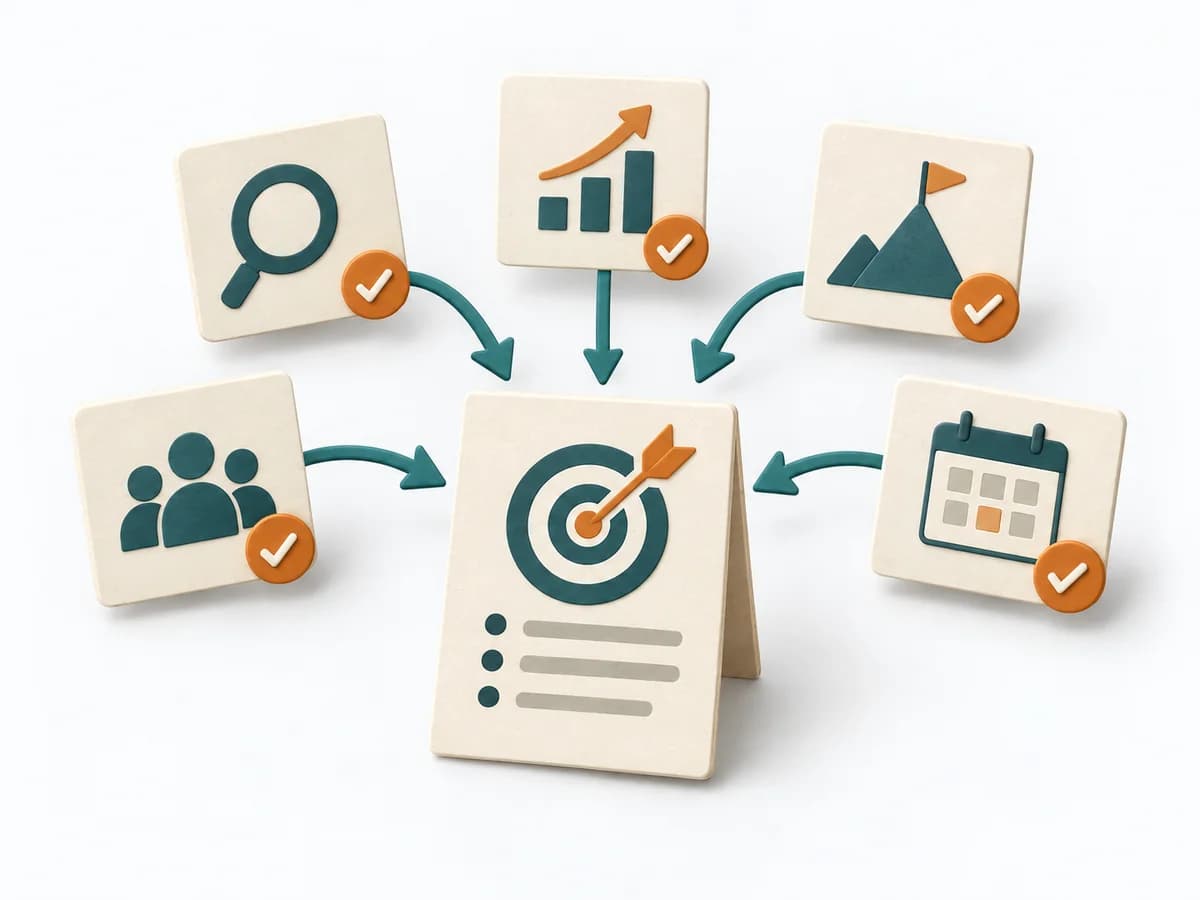
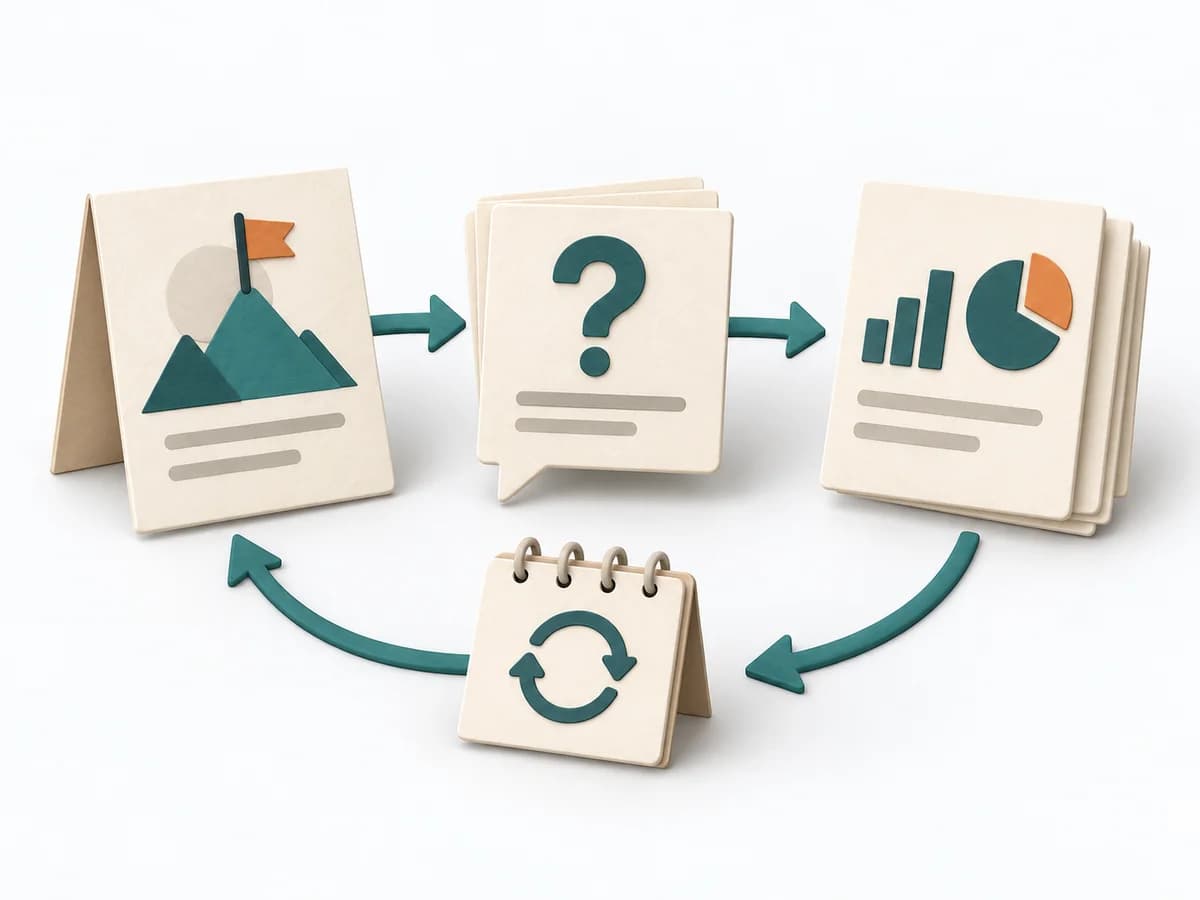
| Criterion |  Agile ROAM Board |  Innovation Design Sprint | 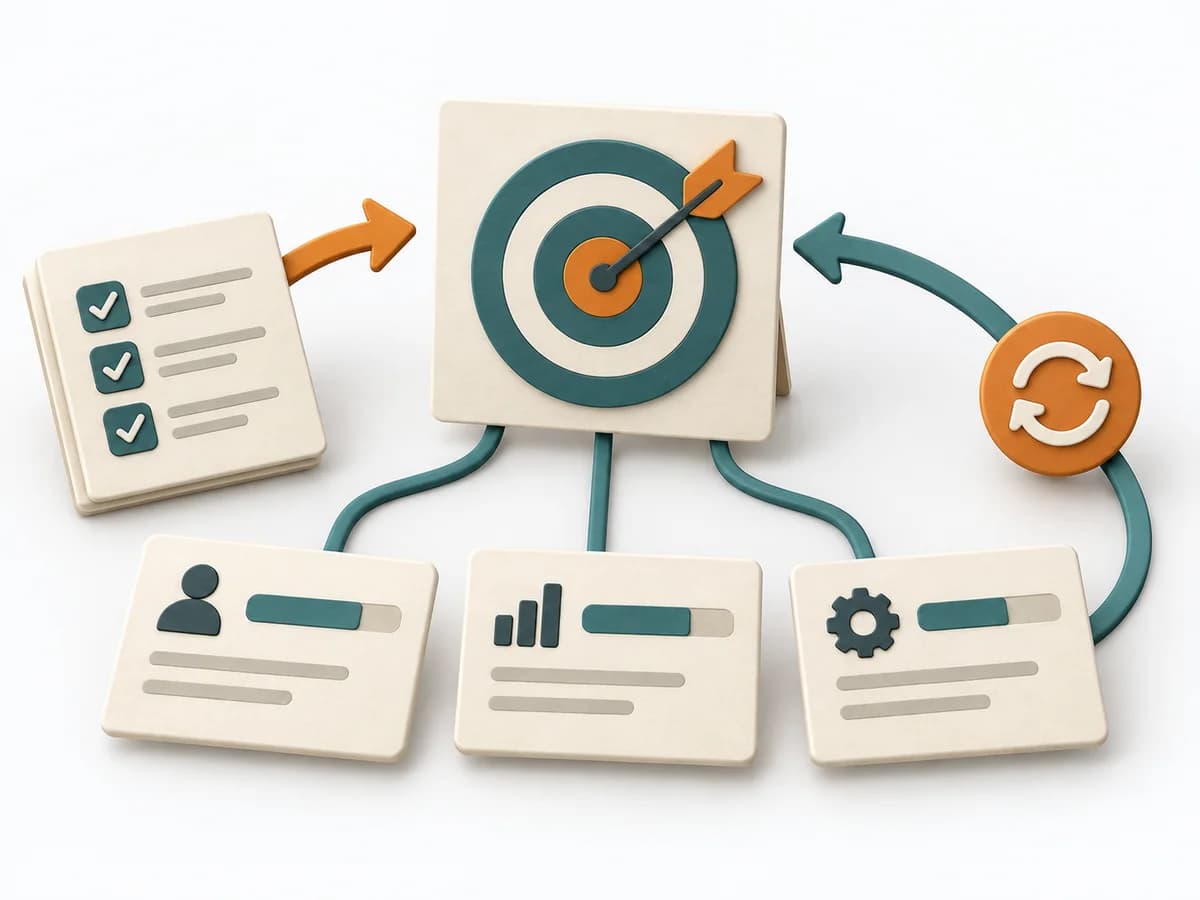 Product Strategy OKRs |
|---|---|---|---|
Purposedifferent | When work needs to move between different states or columns, it makes that movement and its handoffs legible. It sorts work by value, risk, and delivery ability. The result is captured as a ROAM Board and an Owner List. | When the product question is unclear and time pressure is high, the method takes a team from an open idea to a testable solution. It connects problem understanding, decision, and learning in one compact format, lowering the risk of spending a lot of energy on a mere guess. | When strategic direction needs to become measurable, it connects ambition with checkable results. It makes goals connectable to focus and review. |
Complexitydifferent | Low | High | Medium |
Timedifferent | 20-40 min initial, dann laufend | 4-5 Tage | 1-2 h Setup |
Participantsdifferent | 3-15 | 5-8 | 2-20 |
Formatdifferent | Workshop + async | Workshop | Workshop + async |
Outputdifferent | ROAM Board, Owner List | Prototype, Test Findings, Decision Rationale | OKR set, Measurement plan, Review cadence |
Tagsno overlap | RiskAgileTrackingAlignment | Design sprintPrototypeValidationInnovation | GoalsAlignmentOutcomesMeasurement |
Often compared together
Methods with strong topical overlap with the current selection, not yet in the comparison.