View methods side by side.
Choose up to four methods. Add them using the search and share the comparison by copying its link.
| Criterion |  Architecture Risk Storming | 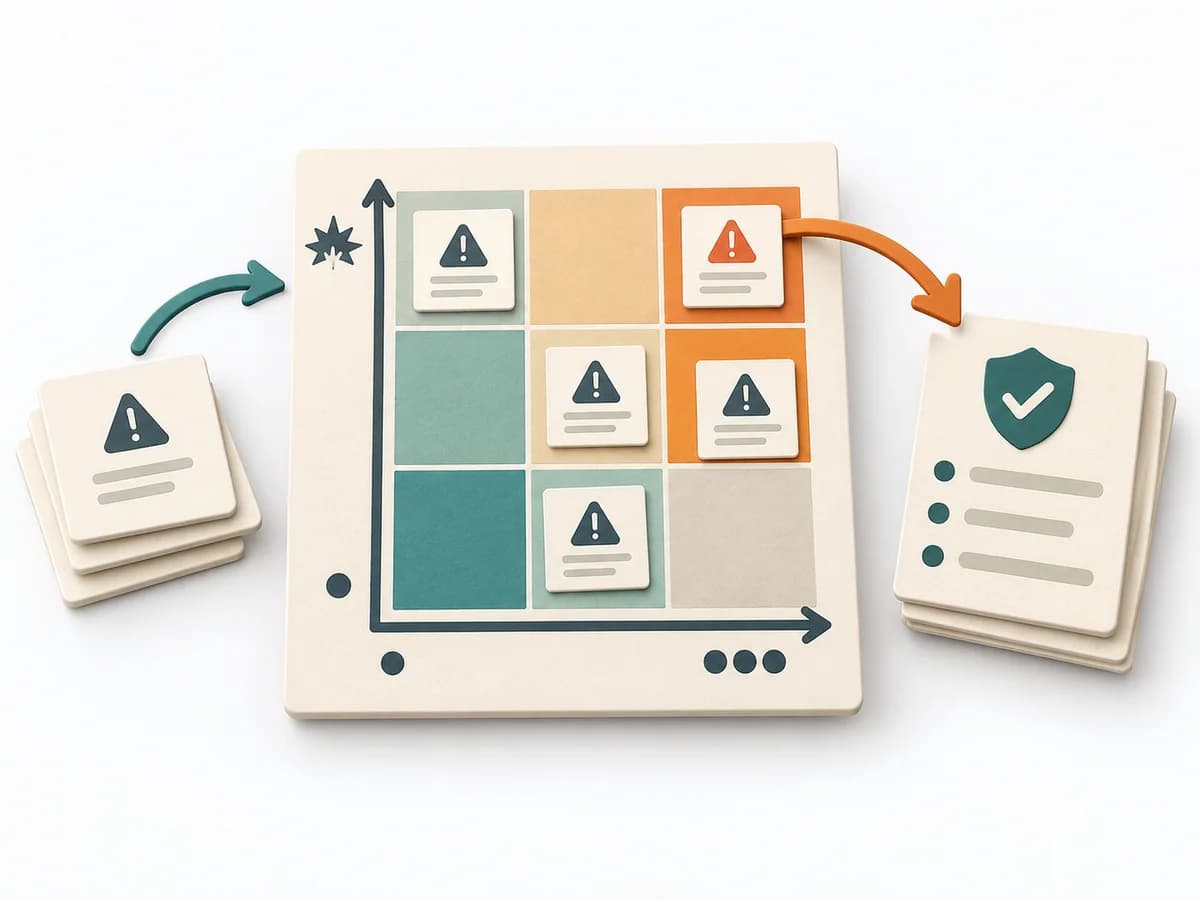 Decision Making Risk Matrix | 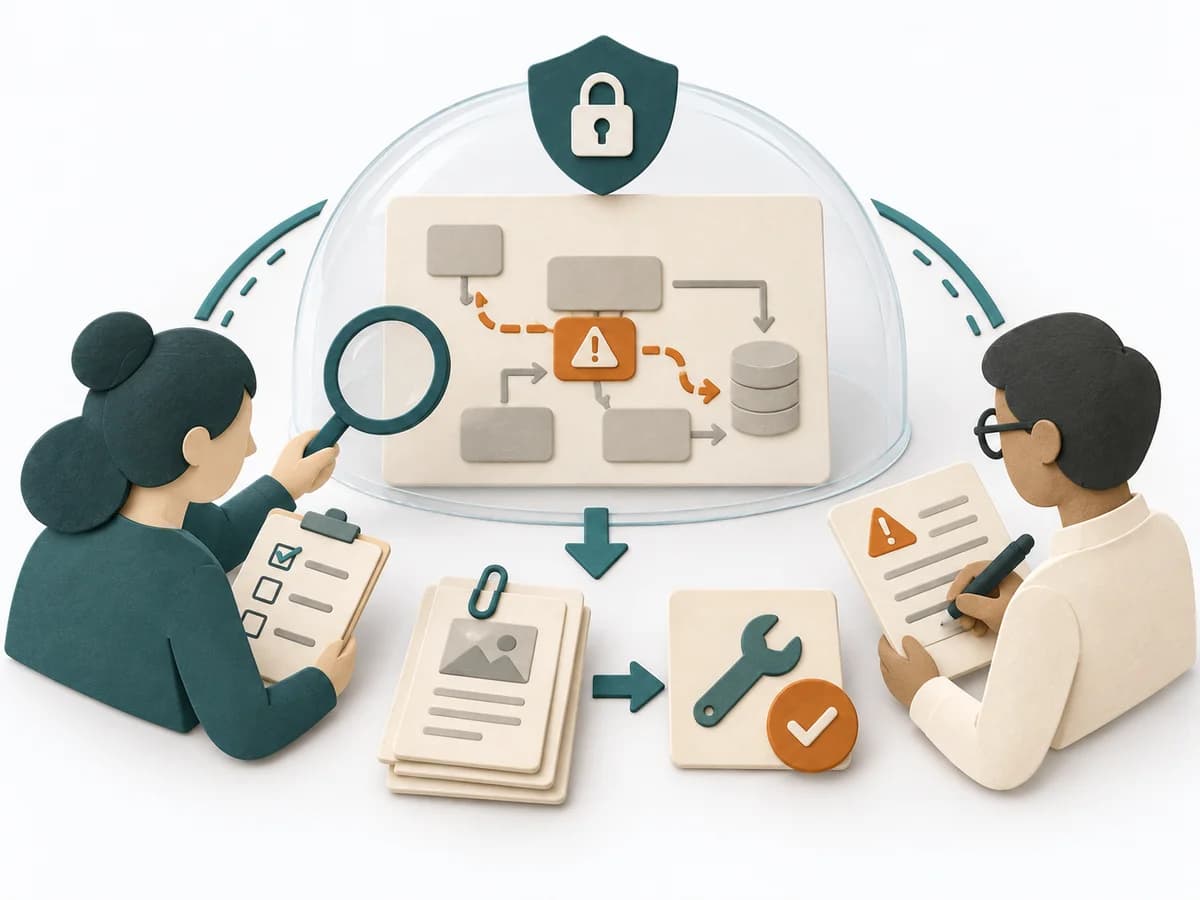 Decision Making Red Teaming |
|---|---|---|---|
Purposedifferent | Helps clarify architecture context, options, and consequences in concrete terms. It organizes technical context, alternatives, and consequences. The result is captured as an Annotated Diagram, a Prioritized Risk List, and an Action Backlog. | When a project faces many possible disruptions, it quickly becomes unclear which risks deserve attention first. It separates options, evaluation criteria, and open risks. The result is captured as a Risk Matrix and a Top Risk List. | For strategic decisions with high reach, agreement and gut feeling are often not enough. Red teaming brings deliberate opposition into the situation and tests where a plan breaks under real counterarguments. |
Complexitydifferent | Low | Low | High |
Timedifferent | 60-90 min | 30-60 min | 1-4 h |
Participantsdifferent | 4-12 | 3-10 | 3-8 |
Formatdifferent | Workshop | Workshop + async | Workshop |
Outputdifferent | Annotated Diagram, Prioritized Risk List, Action Backlog | Risk Matrix, Top Risk List | Challenge Findings, Risk Register, Mitigation Plan |
Tags1 shared | RiskArchitectureWorkshopValidation | RiskDecisionPrioritizationAssessment | RiskDecisionSensemaking |
Often compared together
Methods with strong topical overlap with the current selection, not yet in the comparison.



