View methods side by side.
Choose up to four methods. Add them using the search and share the comparison by copying its link.
| Criterion | 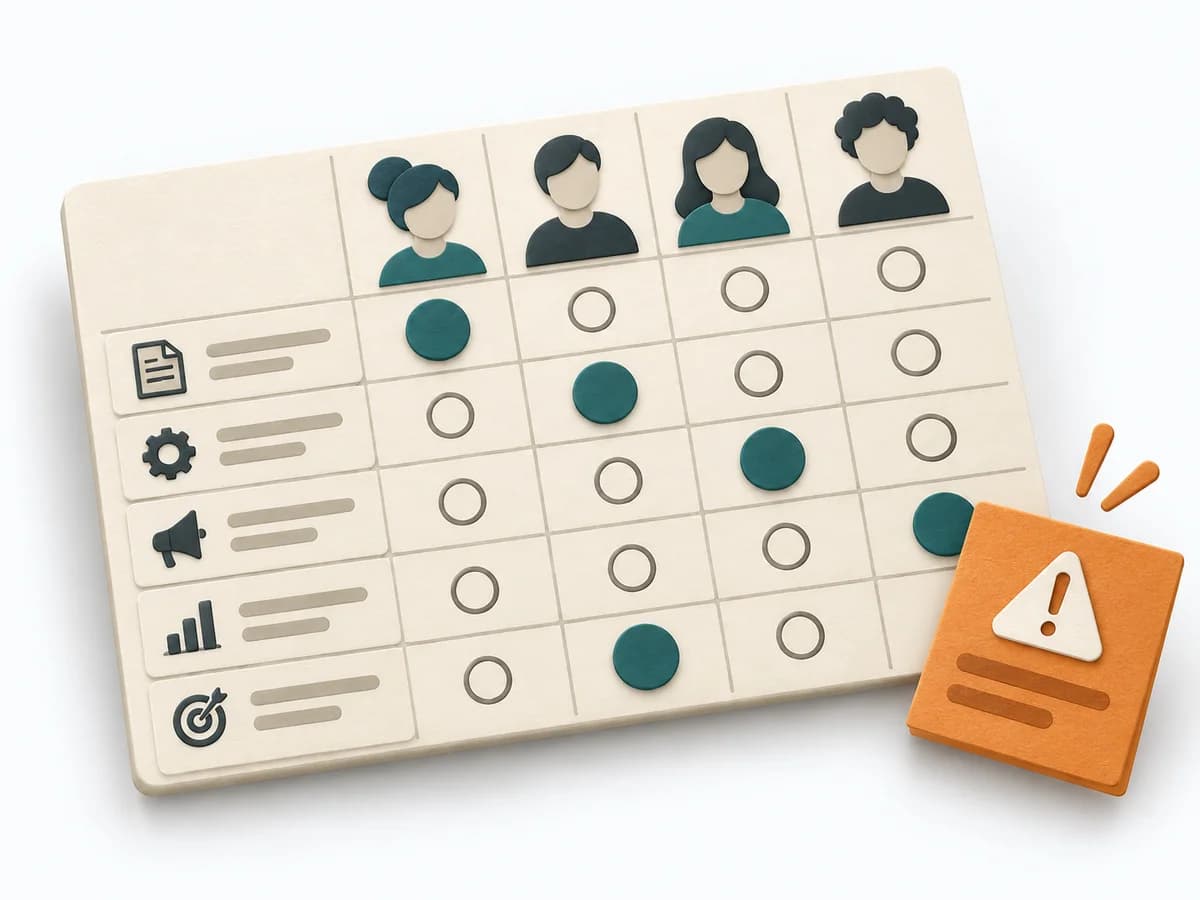 Operations RACI Matrix | 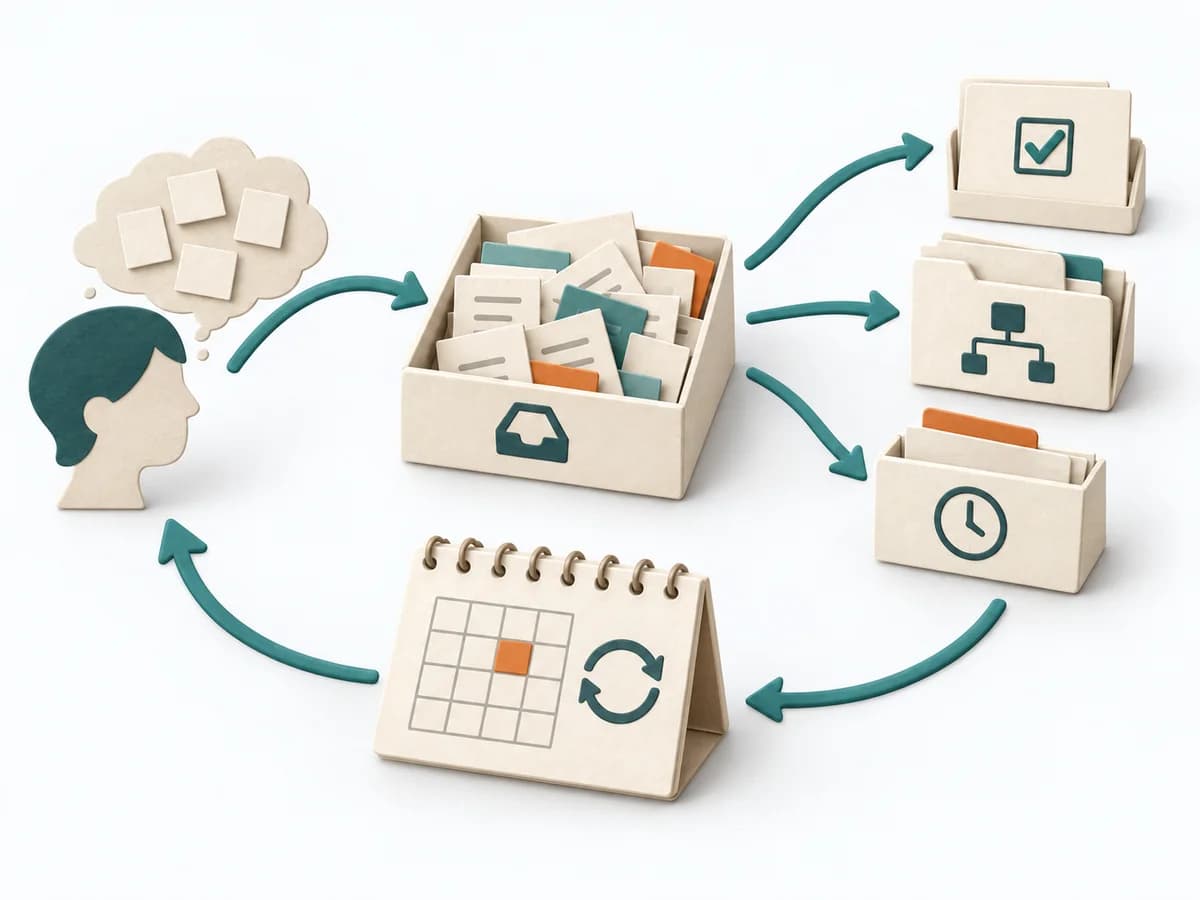 Operations Getting Things Done |  Operations 5 Whys |
|---|---|---|---|
Purposedifferent | With unclear responsibilities across several roles or areas, the method creates unambiguous accountability logic. It reduces friction because decision, execution, contribution, and information become separately visible. | With many open commitments and ideas in daily life, a reliable external storage system emerges. The method relieves the mind so priority and context don't have to compete in memory. | For a single, hard-to-explain deviation, the method exposes the causal chain behind the visible symptom. It keeps the cause open until a controllable condition emerges instead of a mere description. |
Complexitydifferent | Low | Medium | Low |
Timedifferent | 45-90 min | 1-2 h Setup, laufend | 15-30 min |
Participantsdifferent | 2-8 | 1 | 2-6 |
Formatdifferent | Workshop + async | Async | Workshop |
Outputdifferent | RACI Matrix, Responsibility Map, Decision Notes | Action Lists, Project List, Review Routine | Root cause notes, Countermeasures |
Tagsno overlap | RolesResponsibilityGovernanceOperations | ProductivityPlanningTasksExecution | Root causeIncidentLeanProblem solving |
Often compared together
Methods with strong topical overlap with the current selection, not yet in the comparison.



