View methods side by side.
Choose up to four methods. Add them using the search and share the comparison by copying its link.
| Criterion | 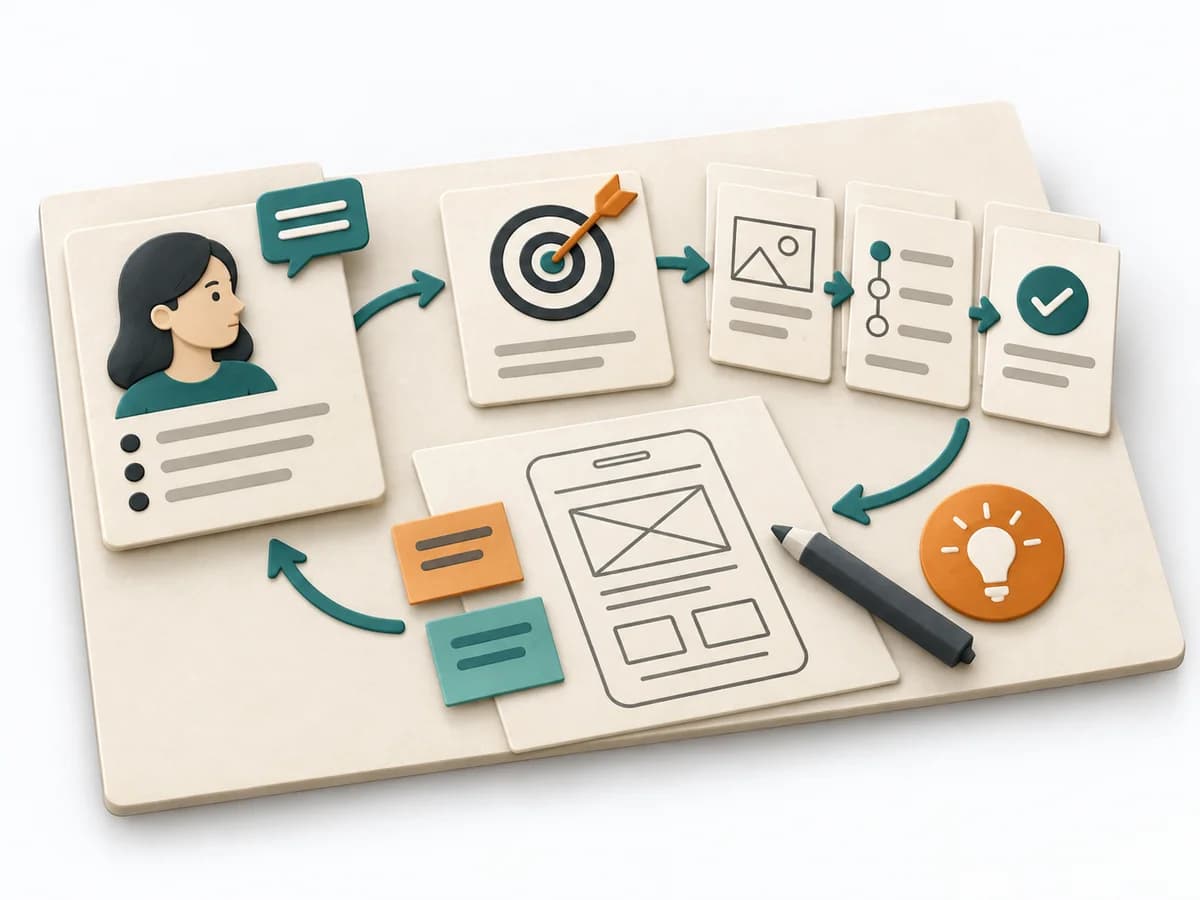 Product Strategy Product Canvas |  Knowledge Modeling Event Modeling |  Operations 8D Problem Solving |
|---|---|---|---|
Purposedifferent | When product goal and feature scope don't yet fit cleanly together, it creates a shared working picture. It connects need, core features, and assumptions into a solid starting point. | Event Modeling connects business workflows with commands, events, and views into one coherent mental model. It helps design behavior, UI, and technical slices from the same underlying logic. | For an acute quality or delivery problem, the method structures immediate protection and root cause work together. It keeps the situation stable while the actual cause is investigated cleanly. |
Complexitydifferent | Medium | Medium | High |
Timedifferent | 1-2 h | 2-6 h | 1-6 Wochen |
Participantsdifferent | 2-8 | 2-8 | 4-10 |
Formatsame | Workshop + async | Workshop + async | Workshop + async |
Outputdifferent | Product Canvas, Product Assumptions, Scope Notes | Event Model, UI Flow, Commands, Read Models | 8D Report, Containment Plan, Root Cause Evidence, Corrective Action Plan |
Tagsno overlap | CanvasDiscoveryScope | EventsBlueprintDomain-Driven DesignBehavior | QualityProblem solvingRoot cause |
Often compared together
Methods with strong topical overlap with the current selection, not yet in the comparison.



