View methods side by side.
Choose up to four methods. Add them using the search and share the comparison by copying its link.
Selected:Process MappingARID (Active Reviews for Intermediate Designs)ATAM (Architecture Tradeoff Analysis Method)
| Criterion | 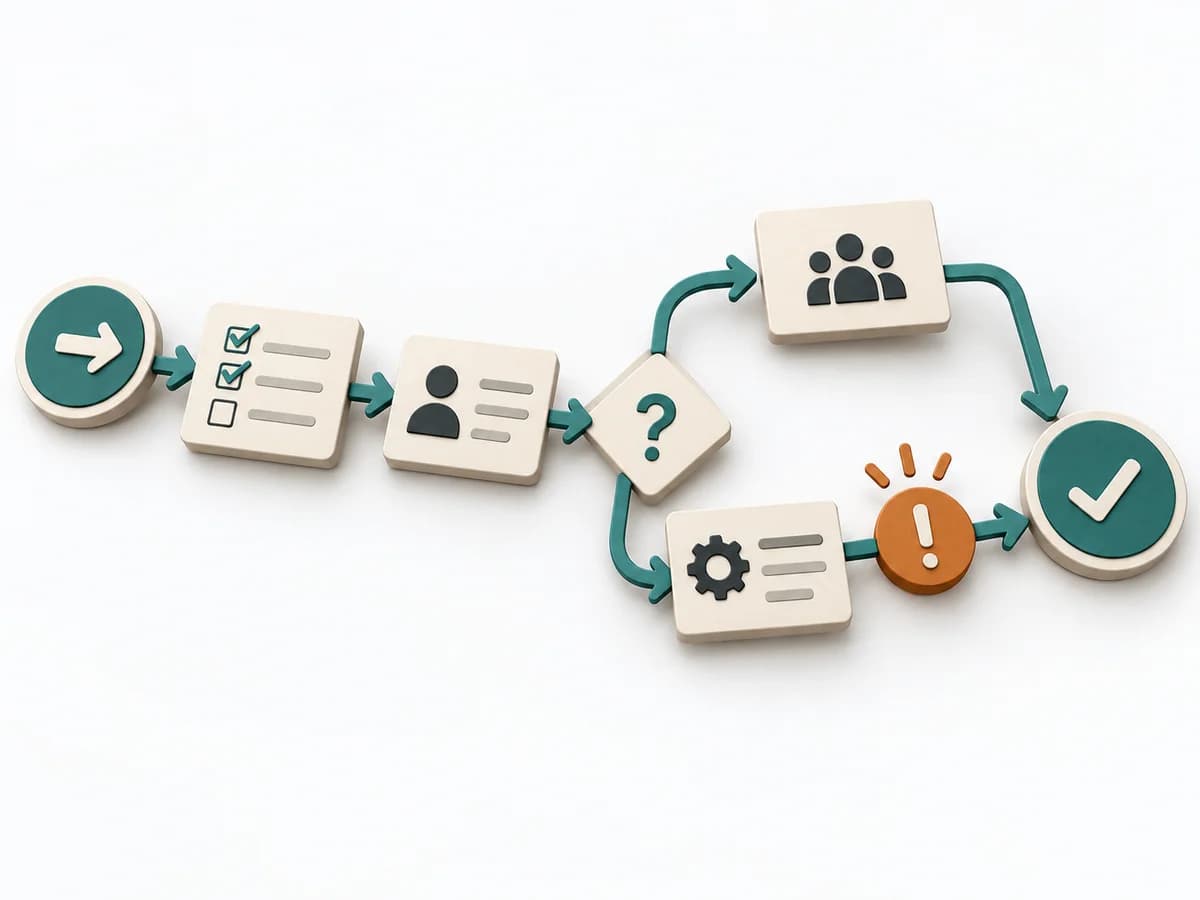 Operations Process Mapping |  Architecture ARID (Active Reviews for Intermediate Designs) |  Architecture ATAM (Architecture Tradeoff Analysis Method) |
|---|---|---|---|
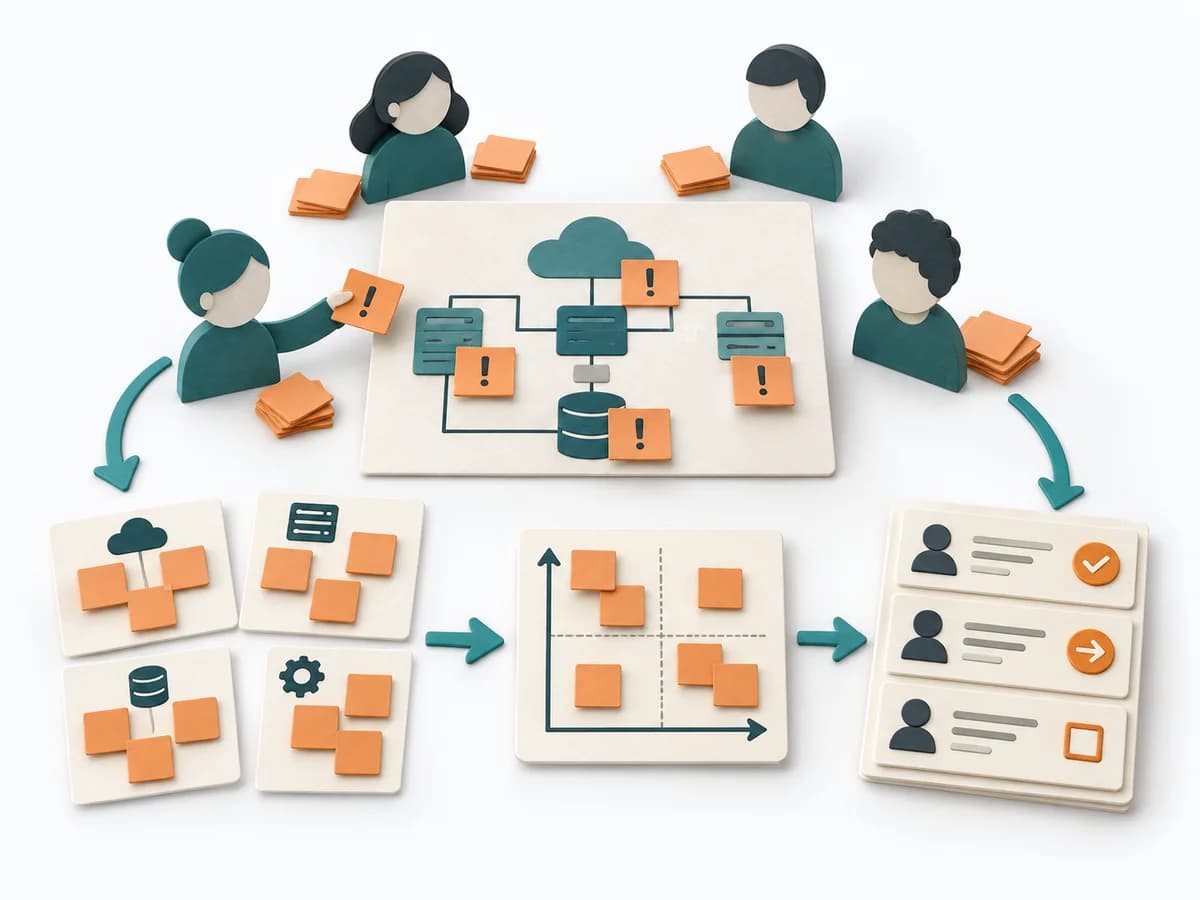
Purposedifferent | With a confusing workflow that has many handoffs, the method makes the actual process visible. It shows where work is passed on, delayed, or duplicated, so improvement targets the right spots. | ARID examines how well developers can work with a technical design. It focuses on a part of the system that can still be revised, between the architecture overview and the detailed specification. | ATAM helps teams weigh architecture decisions when quality goals compete. The team considers business goals, stakeholder expectations, and technical decisions together. The evaluation shows which risks need further investigation. |
Complexitydifferent | Medium | Medium | High |
Timedifferent | 1-3 h | 2–4 h review as a planning range; preparation and evaluation additional | Several meetings plus preparation and analysis; total effort depends on scope |
Participantsdifferent | 3-10 | Designers, developers as users, and facilitation | Evaluation team, architects, and relevant stakeholders |
Formatdifferent | Workshop | Workshop + async | Workshop + async |
Outputdifferent | Process Map, Handoff List, Improvement Backlog | Prioritized development tasks, Jointly produced code or pseudocode, Observed difficulties and open design questions, Proposed design revisions | Prioritized quality scenarios in a utility tree, Architecture risks with reasoning and assumptions, Sensitivity and trade-off points, Findings report with open investigations |
Tagsno overlap | ProcessOperationsImprovement | ArchitectureEngineeringFeedbackValidationTasks | ArchitectureQualityRiskTradeoffsStakeholders |
Often compared together
Methods with strong topical overlap with the current selection, not yet in the comparison.