View methods side by side.
Choose up to four methods. Add them using the search and share the comparison by copying its link.
| Criterion |  Knowledge Modeling PARA Method | 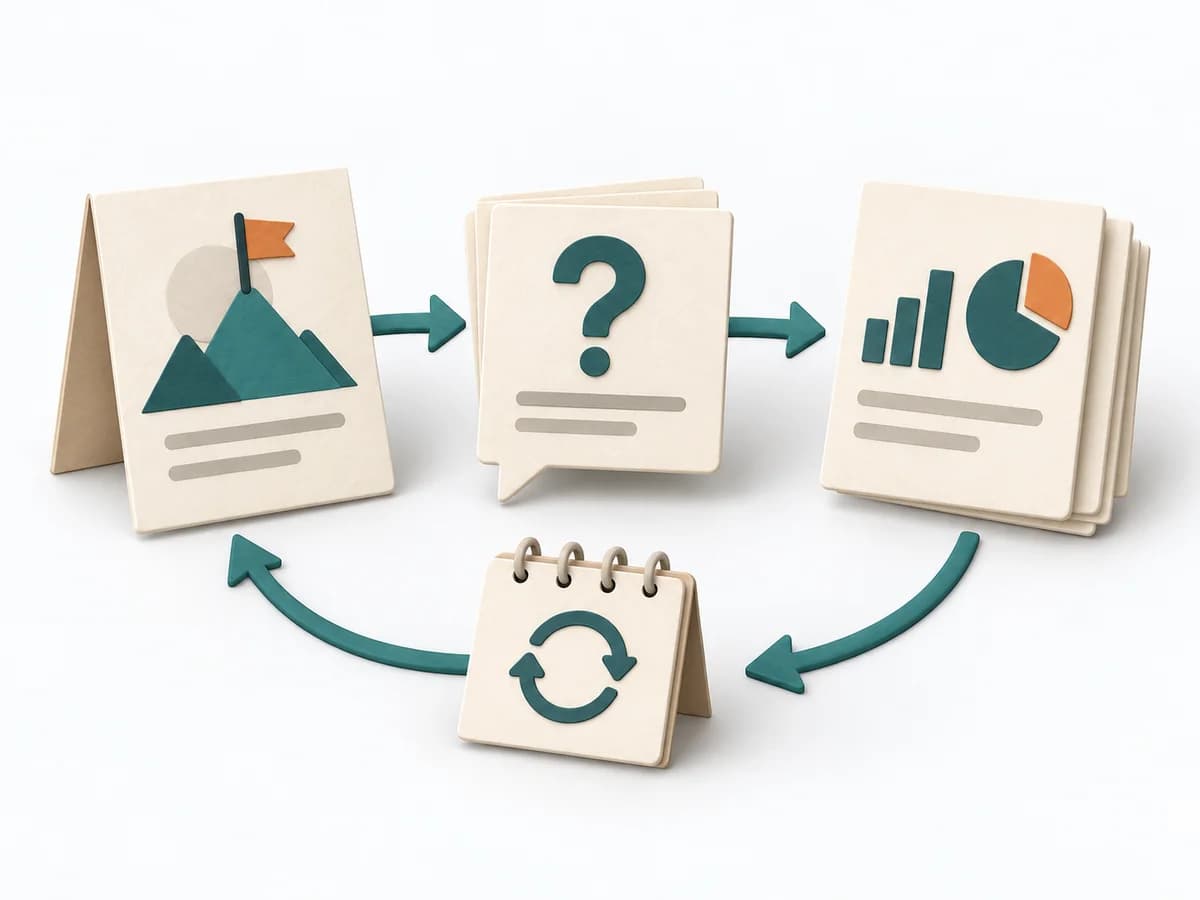 Engineering Goal Question Metric |  Facilitation Stakeholder Mapping |
|---|---|---|---|
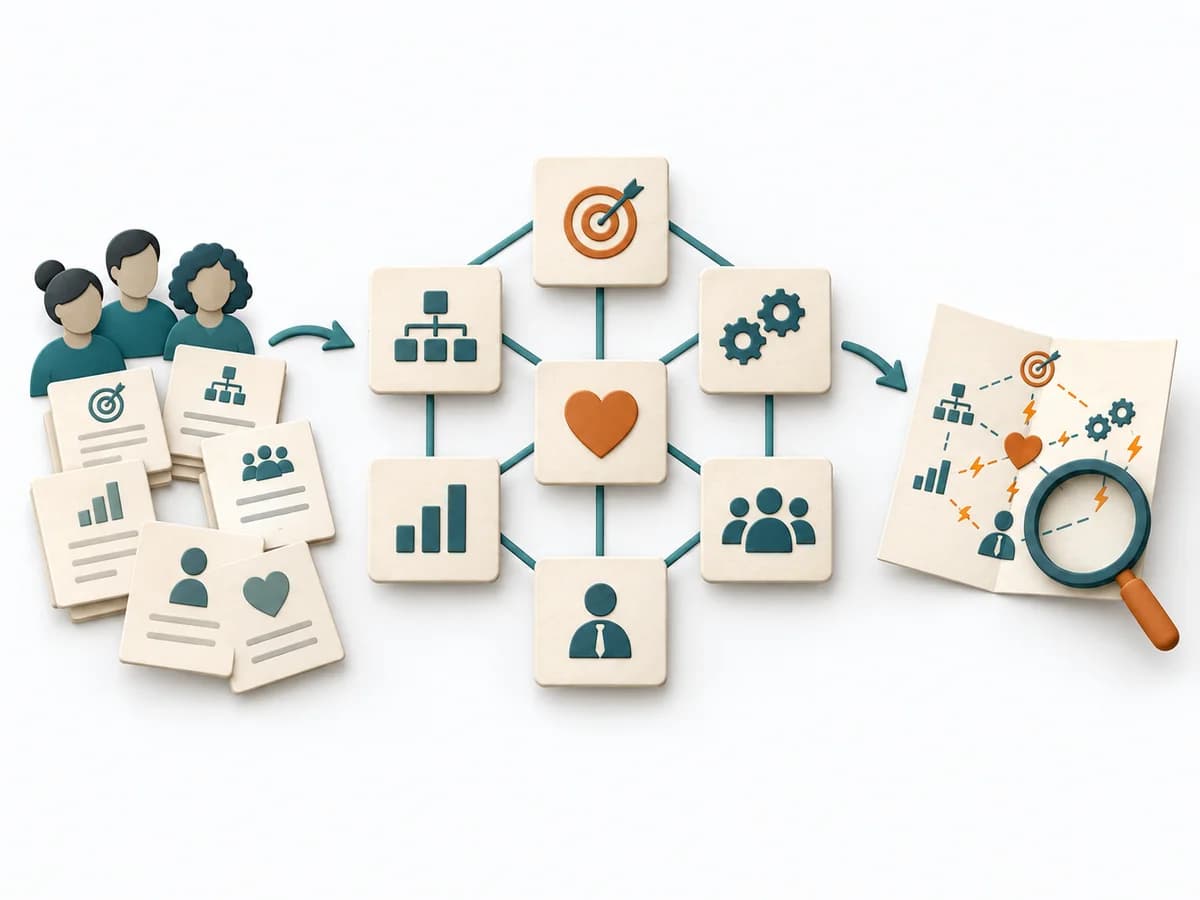
Purposedifferent | The PARA Method organizes knowledge into Projects, Areas, Resources, and Archives. It creates order when digital notes, files, and tasks no longer cleanly fit current work. | Helps clarify technical problems, hypotheses, and next steps in concrete terms. It breaks a technical problem into testable parts. The result is captured as a GQM table and metric briefs. | When an initiative depends on many people, interests, and power dynamics, Stakeholder Mapping systematically orders the environment. It shows who influences, who is affected, and where relationship management or safeguarding matters first. |
Complexitydifferent | Medium | Medium | Low |
Timedifferent | 1-3 h Setup, laufend | 90-180 min | 60–90 min |
Participantsdifferent | 1 | 3-6 | 2-8 |
Formatdifferent | Async | Workshop | Workshop + async |
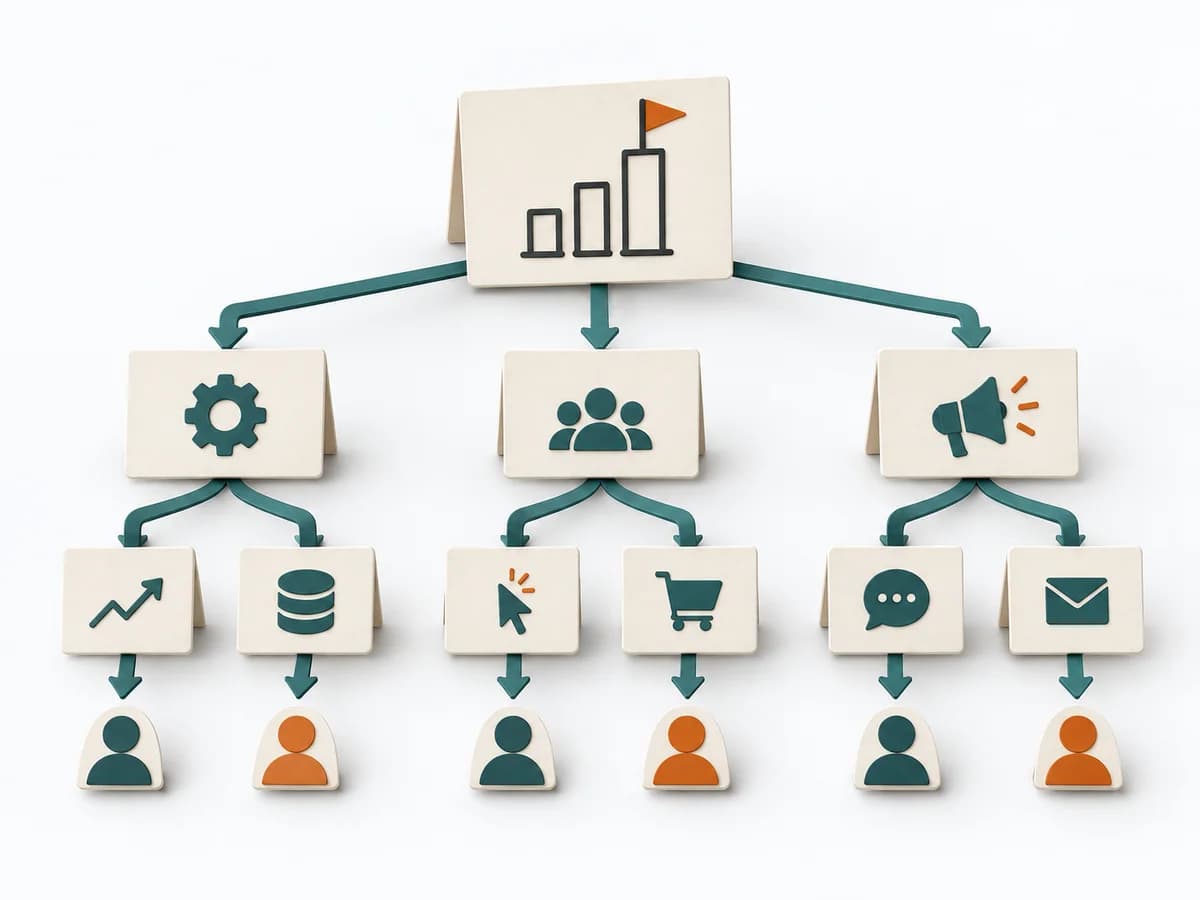
Outputdifferent | PARA Structure, Project Notes, Knowledge Archive | GQM Table, Metric Profiles | Stakeholder Map, Engagement Plan, Risk Notes |
Tagsno overlap | KnowledgeProductivityOrganization | MetricsMeasurementEngineeringAlignment | StakeholdersAlignmentFacilitationChange |
Often compared together
Methods with strong topical overlap with the current selection, not yet in the comparison.