View methods side by side.
Choose up to four methods. Add them using the search and share the comparison by copying its link.
| Criterion |  Knowledge Modeling PARA Method | 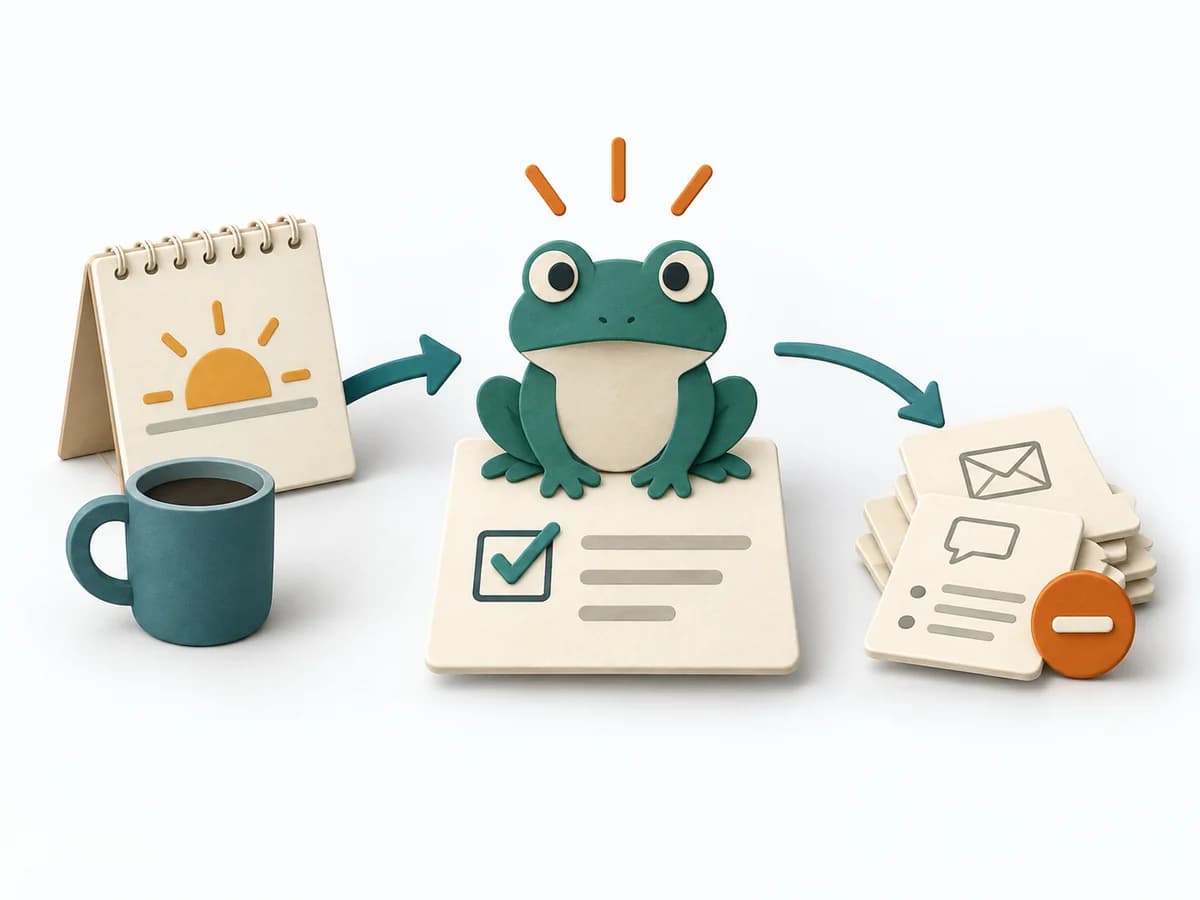 Operations Eat the Frog |  Product Discovery Opportunity Scoring |
|---|---|---|---|
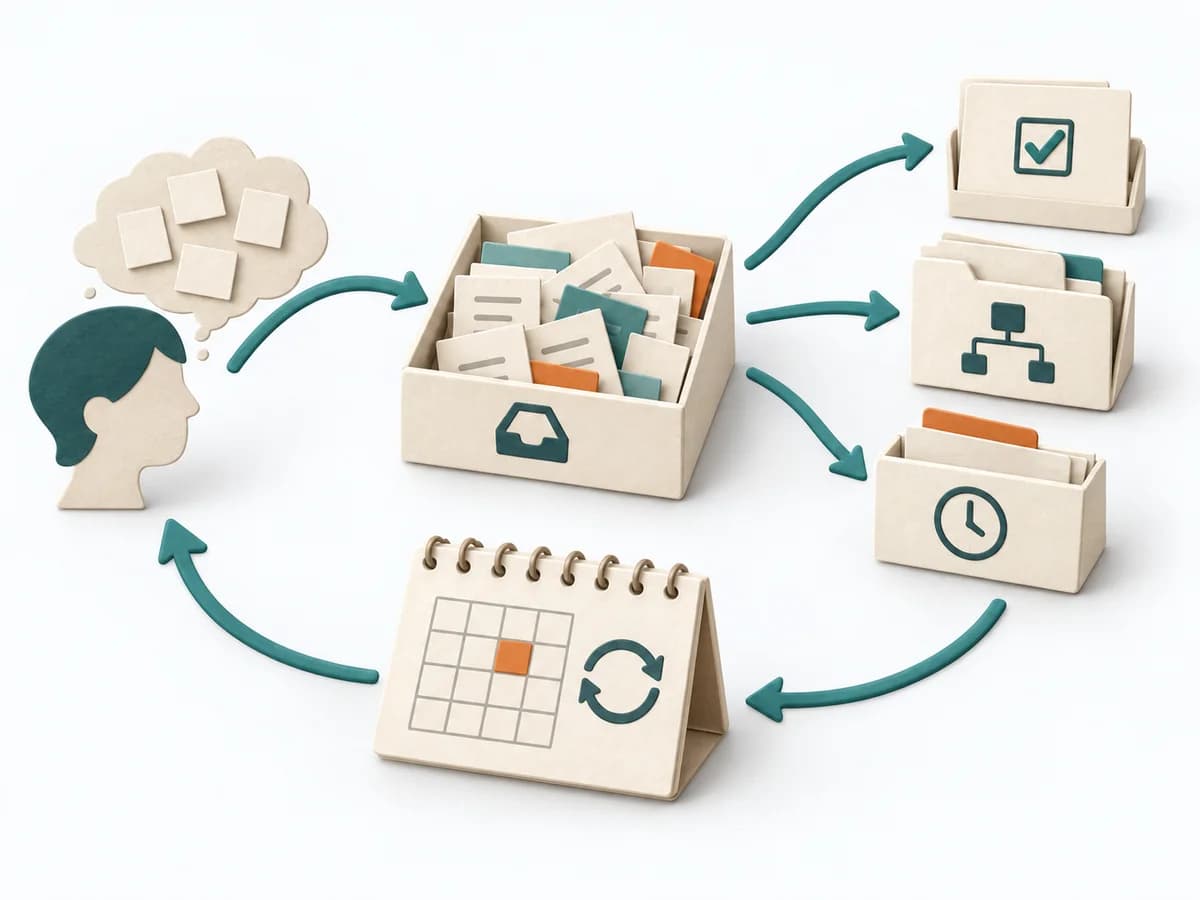
Purposedifferent | The PARA Method organizes knowledge into Projects, Areas, Resources, and Archives. It creates order when digital notes, files, and tasks no longer cleanly fit current work. | The method protects energy and attention for the task that creates the largest progress and is often postponed. | When opportunities need ranking by their effect, it makes importance and satisfaction directly comparable. It separates problem, assumption, solution, and evidence. The result is captured as an opportunity-score table and top outcomes. |
Complexitydifferent | Medium | Low | Medium |
Timedifferent | 1-3 h Setup, laufend | 15-90 min daily | 60-120 min |
Participantsdifferent | 1 | 1 | 3-6 |
Formatdifferent | Async | Async | Workshop + async |
Outputdifferent | PARA Structure, Project Notes, Knowledge Archive | Priority Task, Completion Note, Daily Focus | Opportunity Score Table, Top Outcomes |
Tagsno overlap | KnowledgeProductivityOrganization | PrioritizationProductivityFocusExecution | PrioritizationDiscoveryOutcomesNeeds |
Often compared together
Methods with strong topical overlap with the current selection, not yet in the comparison.