View methods side by side.
Choose up to four methods. Add them using the search and share the comparison by copying its link.
| Criterion |  Knowledge Modeling PARA Method | 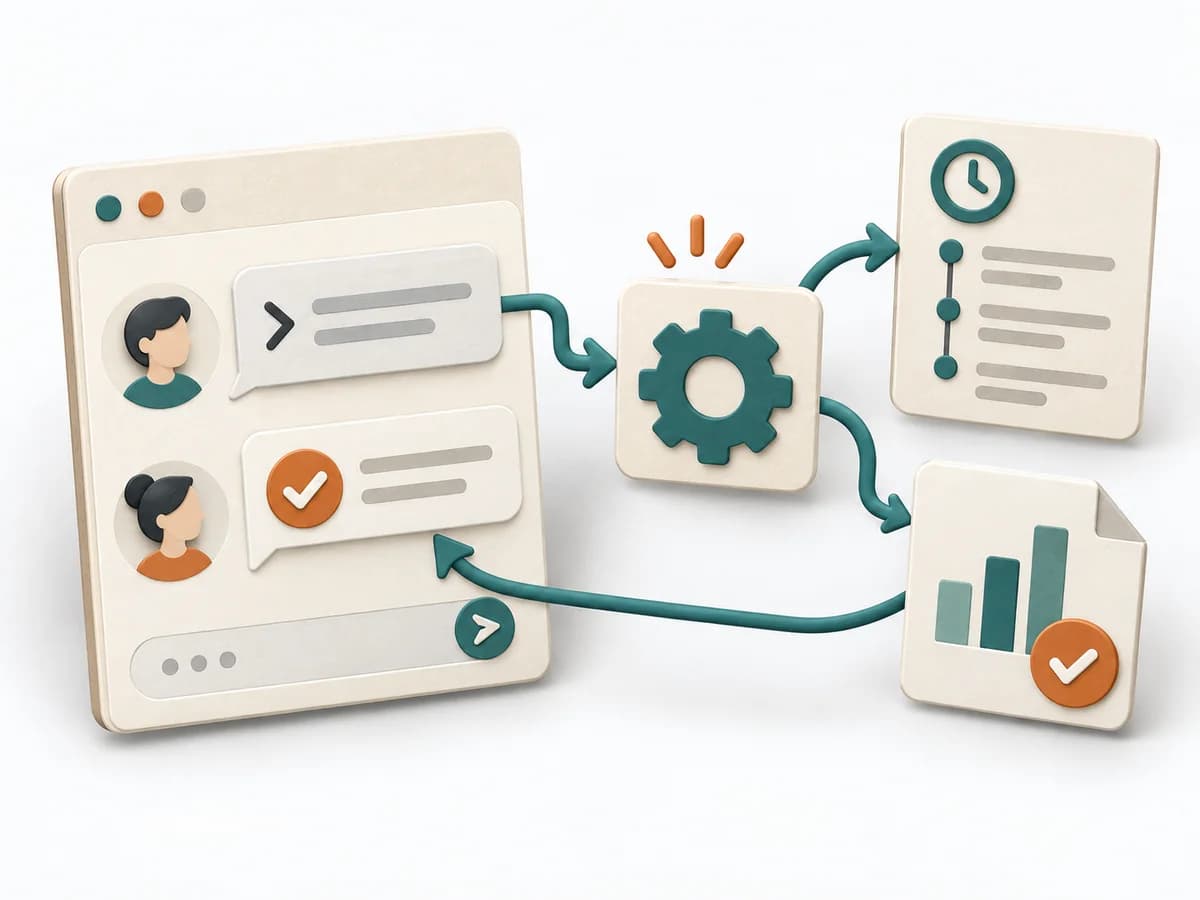 DevOps ChatOps | 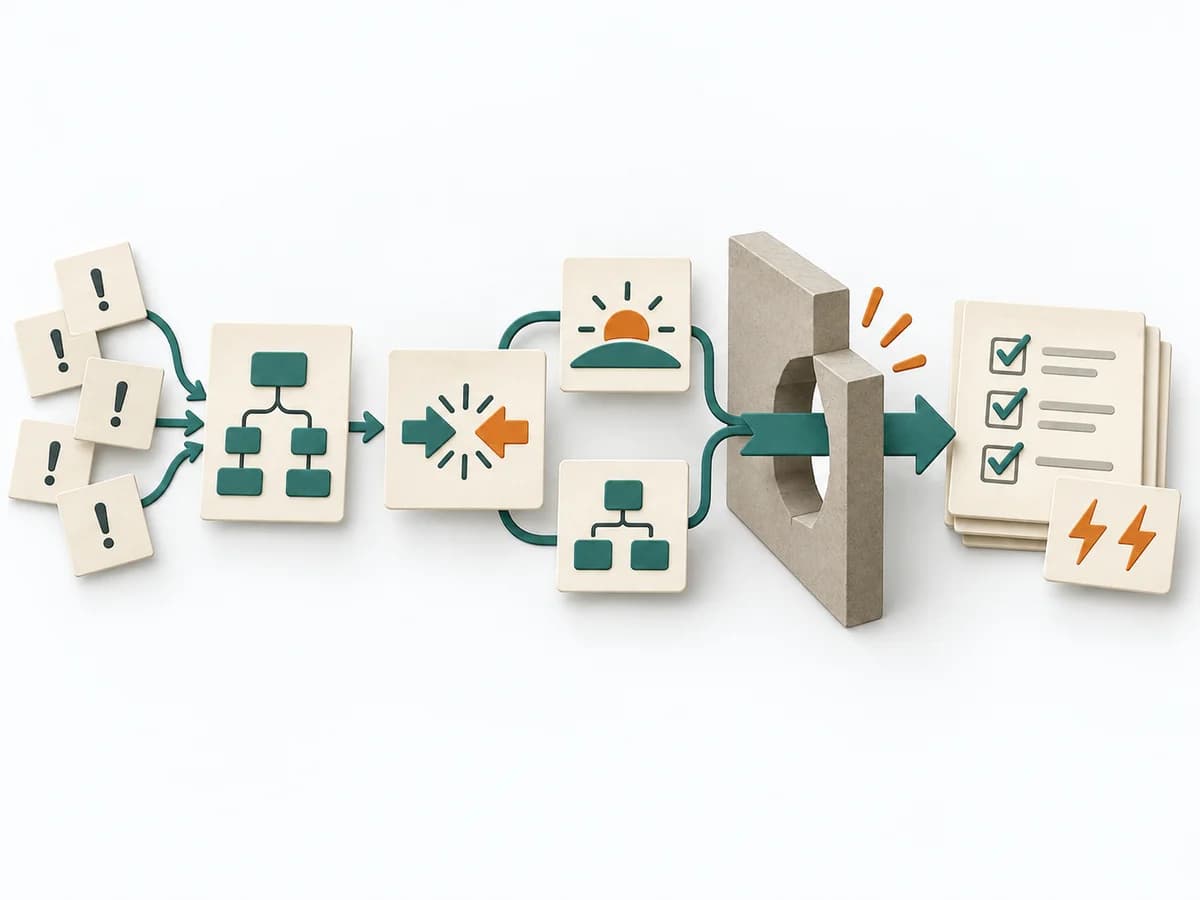 Systems Thinking Theory of Constraints Thinking Process |
|---|---|---|---|
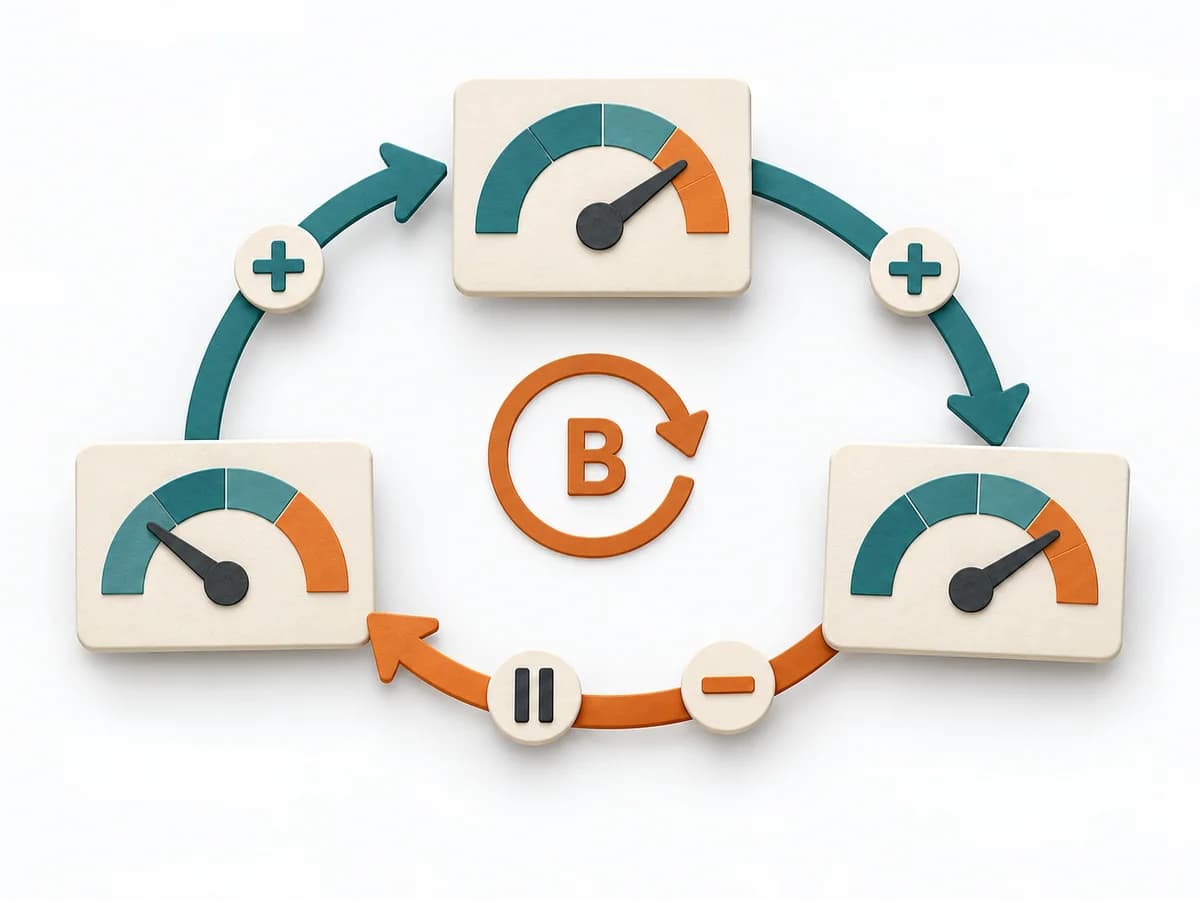
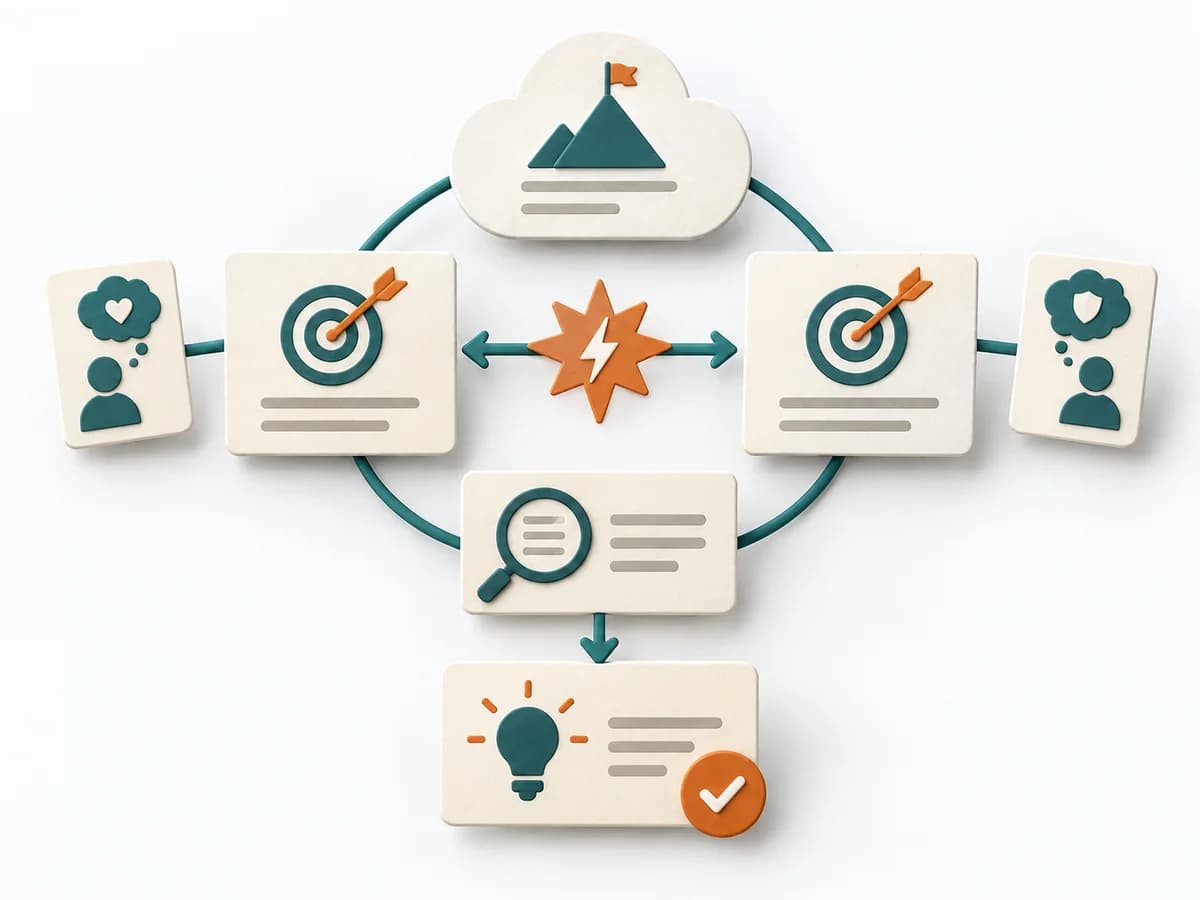
Purposedifferent | The PARA Method organizes knowledge into Projects, Areas, Resources, and Archives. It creates order when digital notes, files, and tasks no longer cleanly fit current work. | For operational work in a distributed team, the method links communication with direct system control. It records decisions right where the signal, the context, and the execution come together. | The Theory of Constraints Thinking Process exposes a system's bottleneck and the logic behind it. It suits situations where many symptoms trace back to the same limiting relationship. |
Complexitydifferent | Medium | Medium | High |
Timedifferent | 1-3 h Setup, laufend | Ongoing | 0.5-3 Tage |
Participantsdifferent | 1 | 2-20 | 4-10 |
Formatdifferent | Async | Workshop + async | Workshop |
Outputdifferent | PARA Structure, Project Notes, Knowledge Archive | Chat Transcript, Action Log, Automations | Current Reality Logic, Conflict Cloud, Future Reality Tree, Implementation Obstacles |
Tagsno overlap | KnowledgeProductivityOrganization | CollaborationEngineeringIncident | Theory of ConstraintsConstraintsSystems thinkingCausality |
Often compared together
Methods with strong topical overlap with the current selection, not yet in the comparison.