View methods side by side.
Choose up to four methods. Add them using the search and share the comparison by copying its link.
| Criterion | 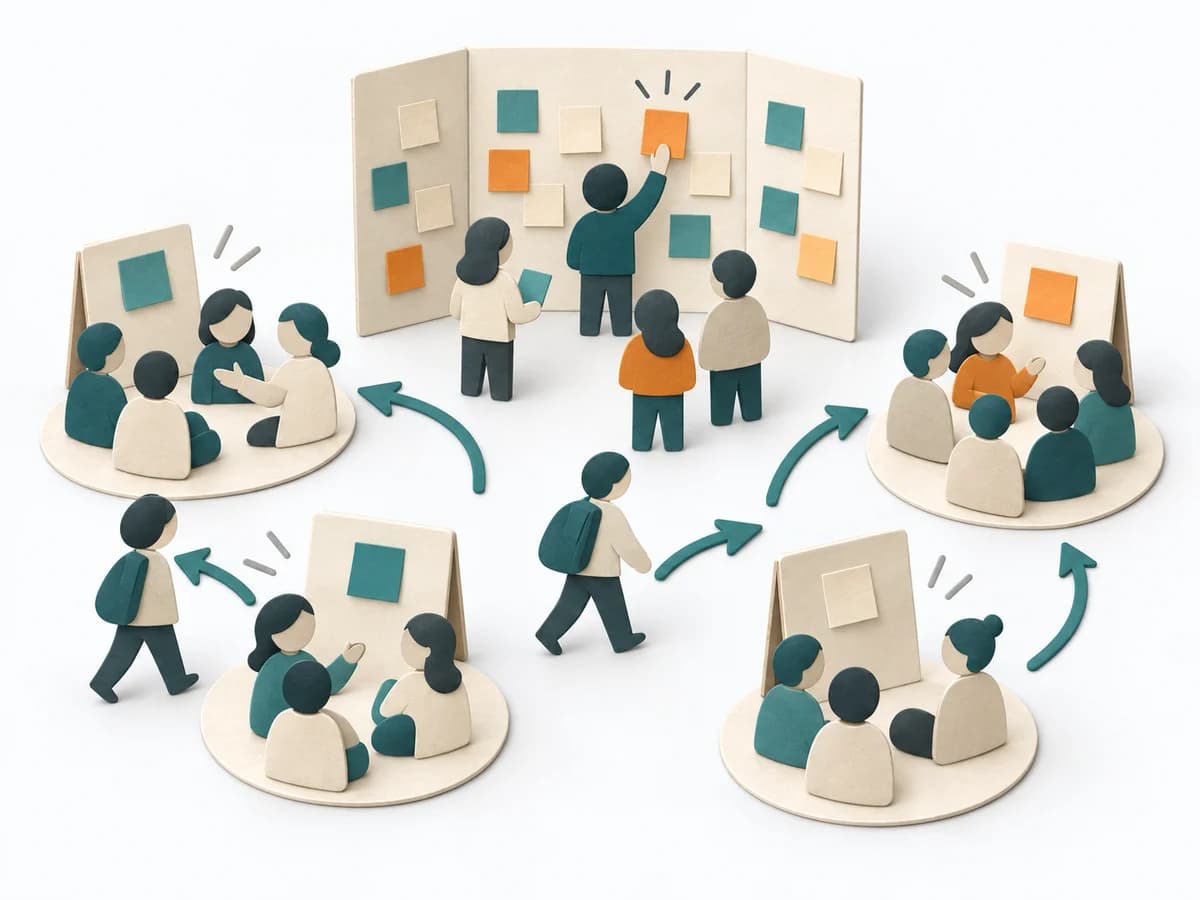 Facilitation Open Space Technology |  Facilitation Stakeholder Salience Model |  Facilitation Stakeholder Mapping |
|---|---|---|---|
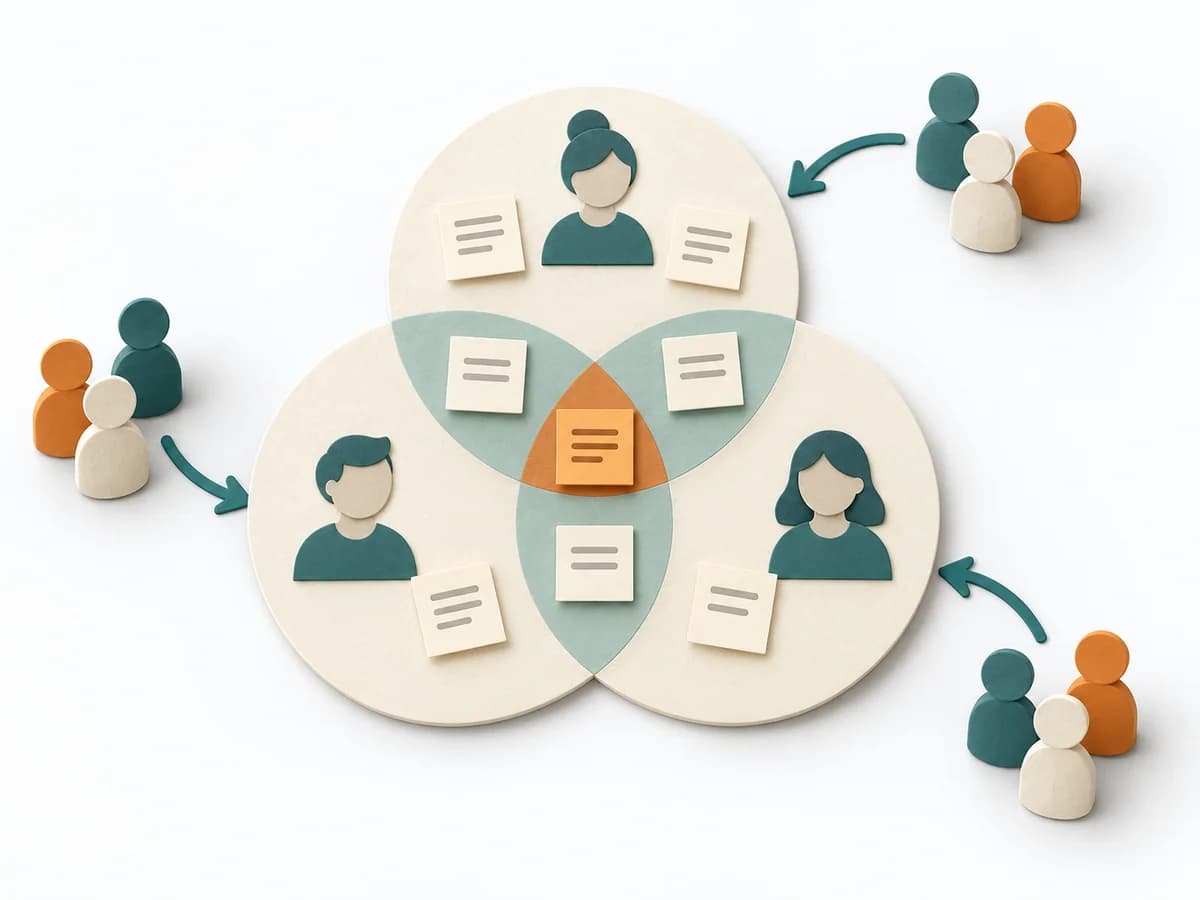
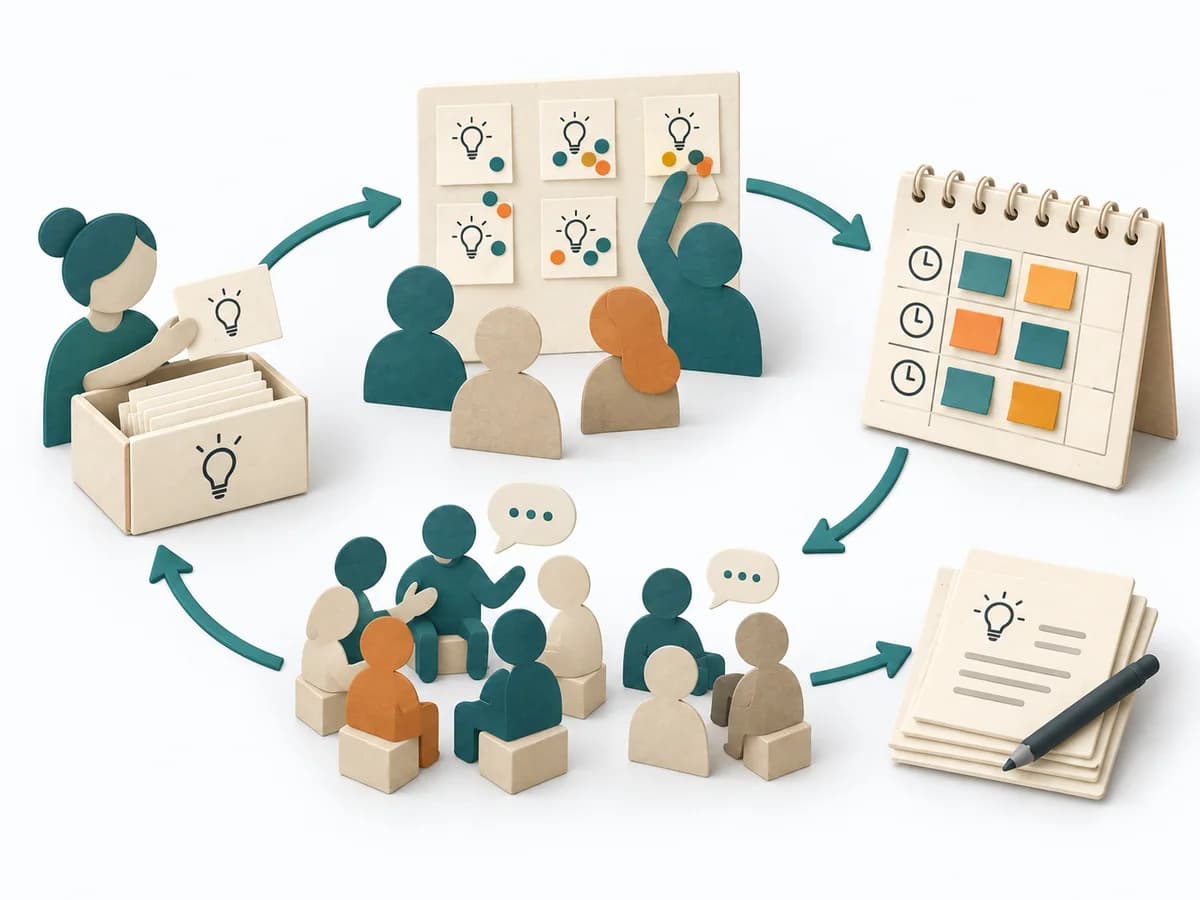
Purposedifferent | When a complex topic does not yet have a fitting agenda, Open Space Technology hands topic ownership back to the participants. The format suits questions that only move forward when real interest determines the order. | When stakeholders appear to matter very differently, the Stakeholder Salience Model rates their actual priority through power, legitimacy, and urgency. It turns individual contributions into a visible selection. The result is captured as a Salience diagram and a class-based strategy. | When an initiative depends on many people, interests, and power dynamics, Stakeholder Mapping systematically orders the environment. It shows who influences, who is affected, and where relationship management or safeguarding matters first. |
Complexitydifferent | High | Medium | Low |
Timedifferent | 0.5-2 Tage | 60-90 min | 60–90 min |
Participantsdifferent | 20-500+ | 3-6 | 2-8 |
Formatdifferent | Workshop | Workshop | Workshop + async |
Outputdifferent | Session Marketplace, Proceedings, Action Topics | Salience Diagram, Strategy per Class | Stakeholder Map, Engagement Plan, Risk Notes |
Tags1 shared | FacilitationLarge groupAutonomy | StakeholdersFacilitationAlignmentGovernance | StakeholdersAlignmentFacilitationChange |
Often compared together
Methods with strong topical overlap with the current selection, not yet in the comparison.