View methods side by side.
Choose up to four methods. Add them using the search and share the comparison by copying its link.
| Criterion | 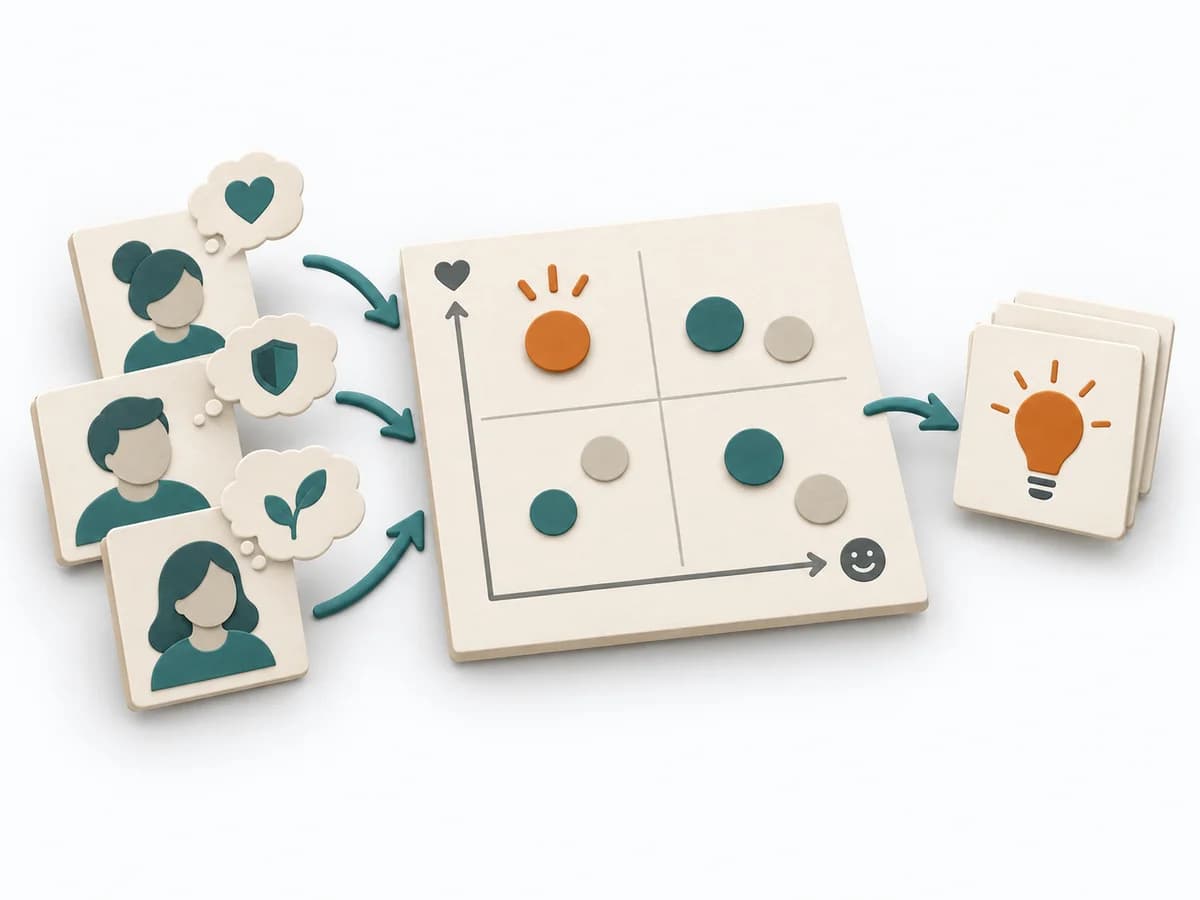 Product Discovery Outcome-Driven Innovation | 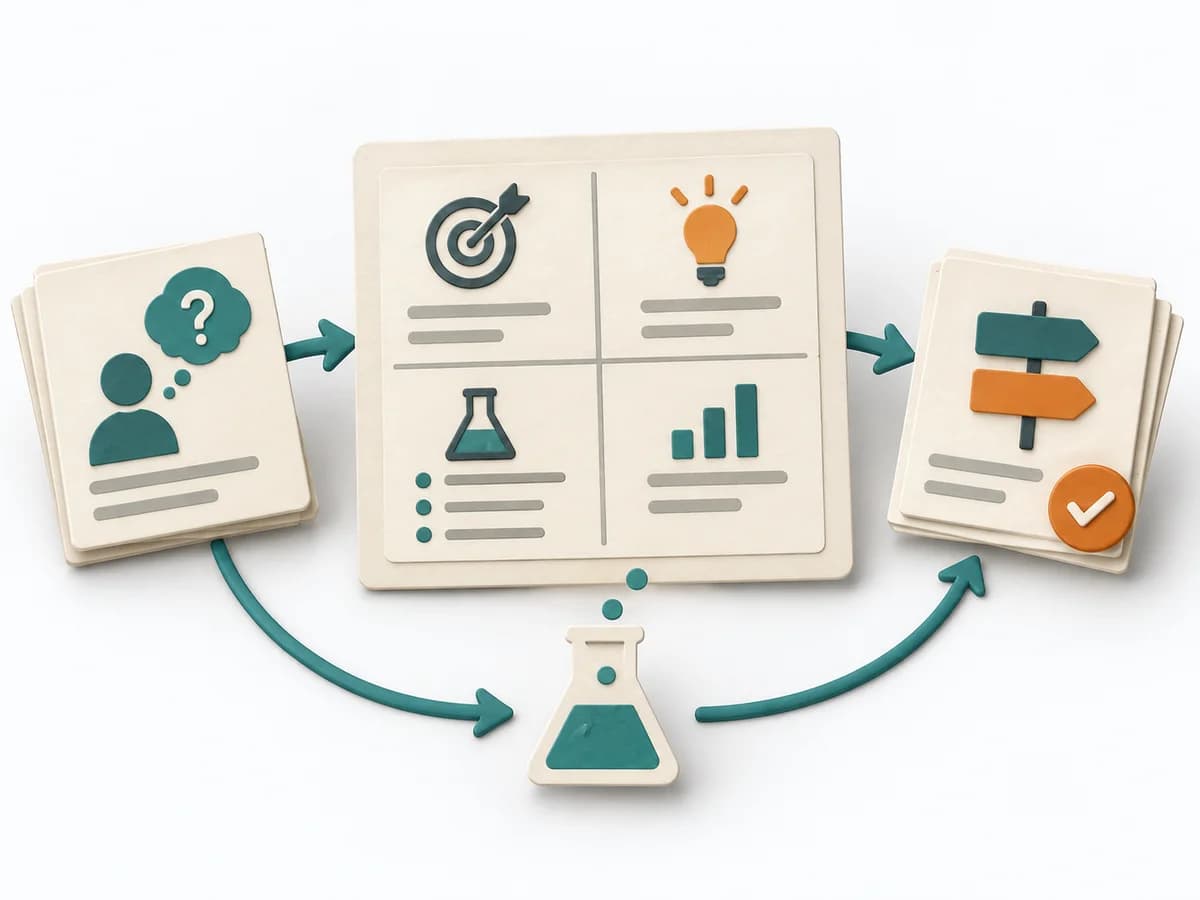 Product Discovery Experiment Canvas | 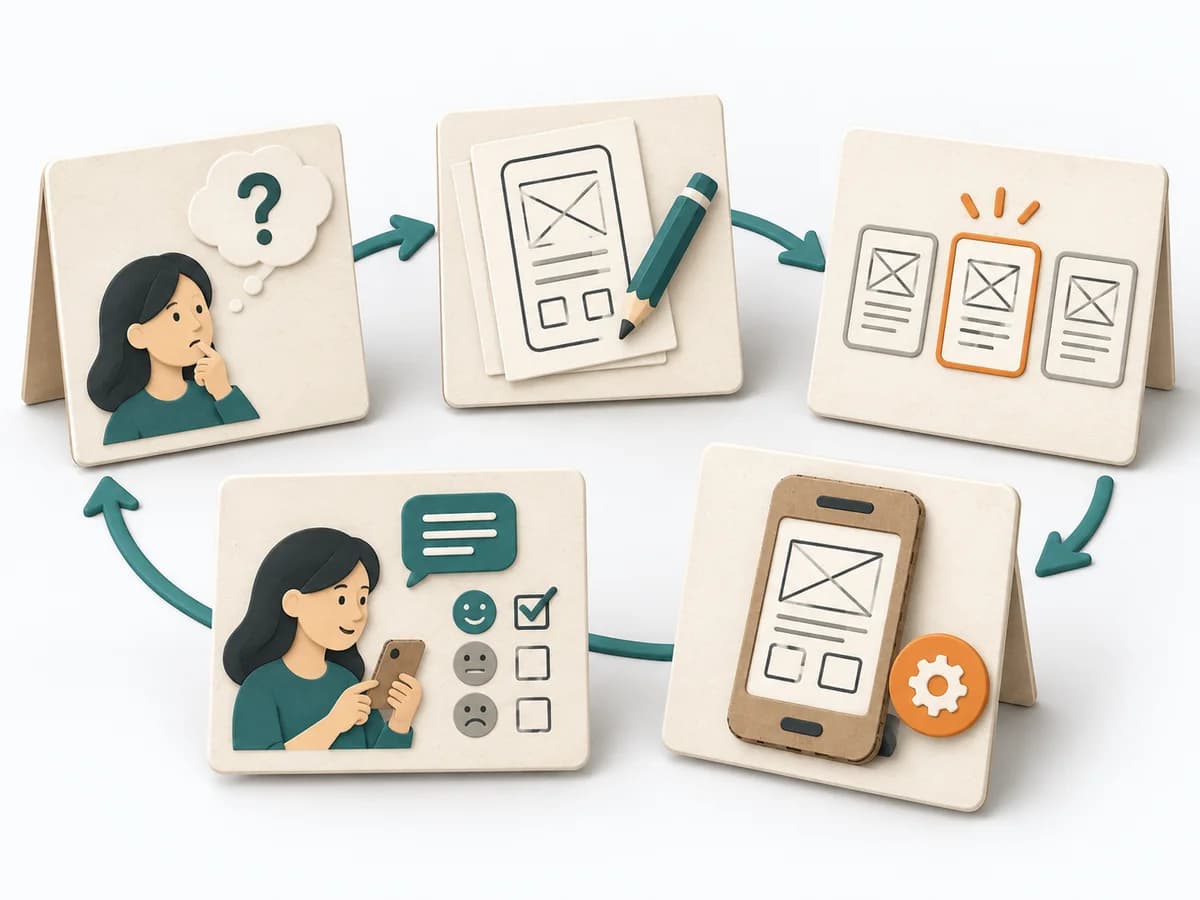 Innovation Design Sprint |
|---|---|---|---|
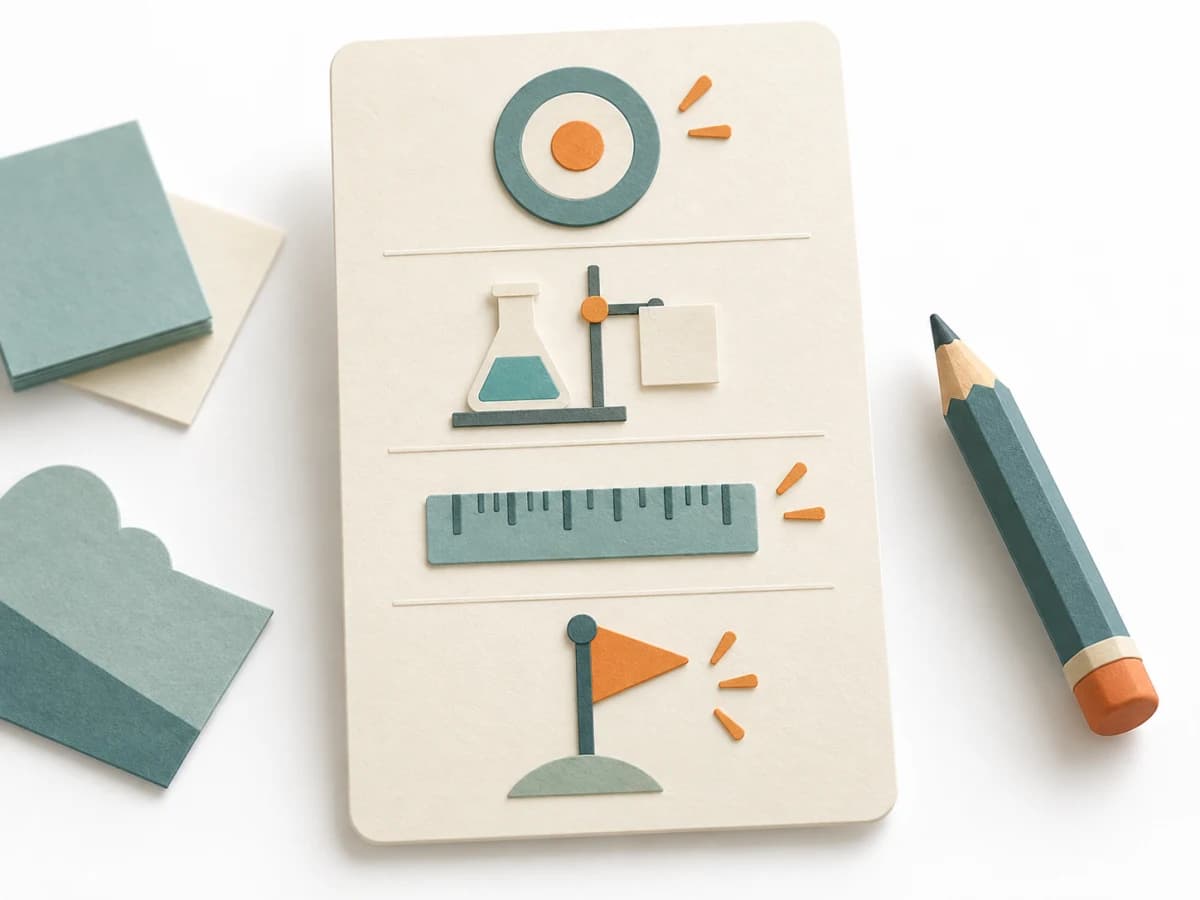
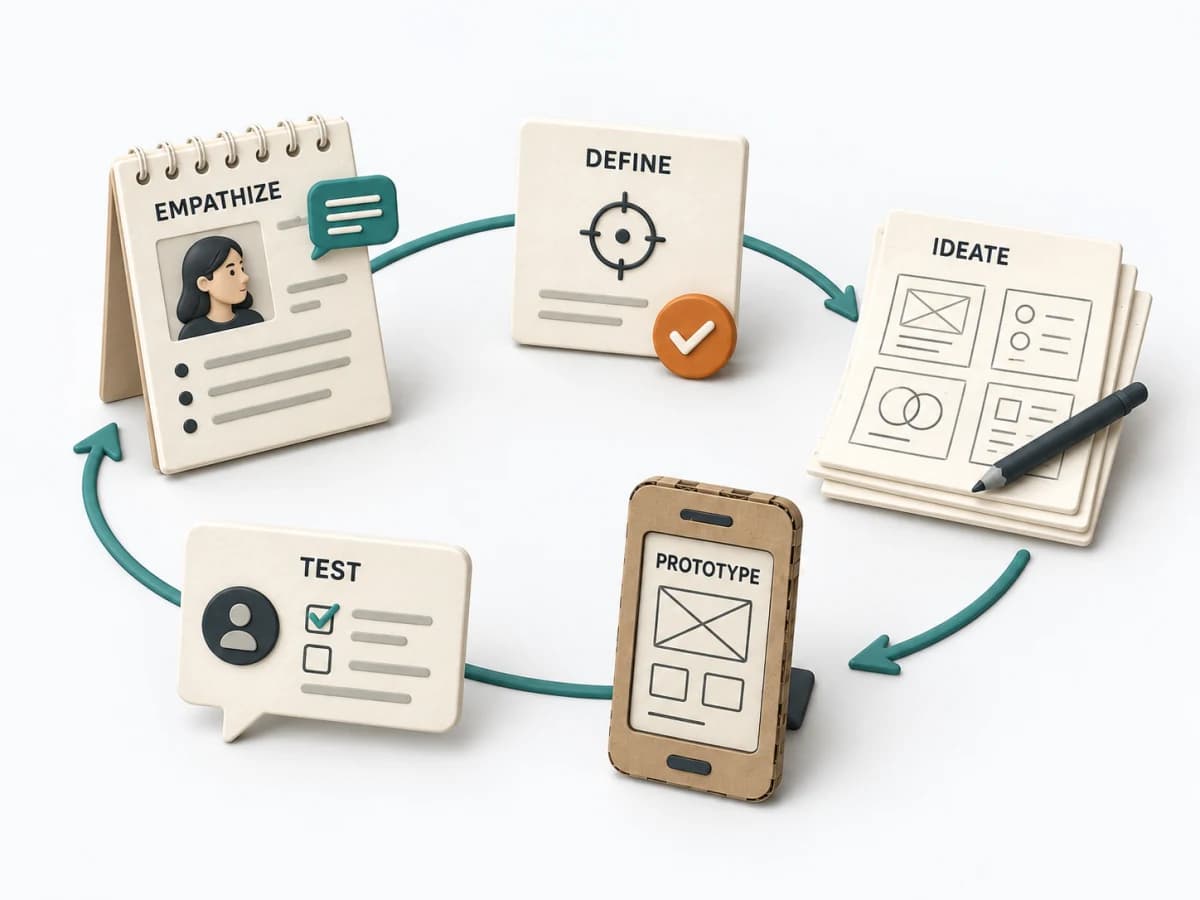
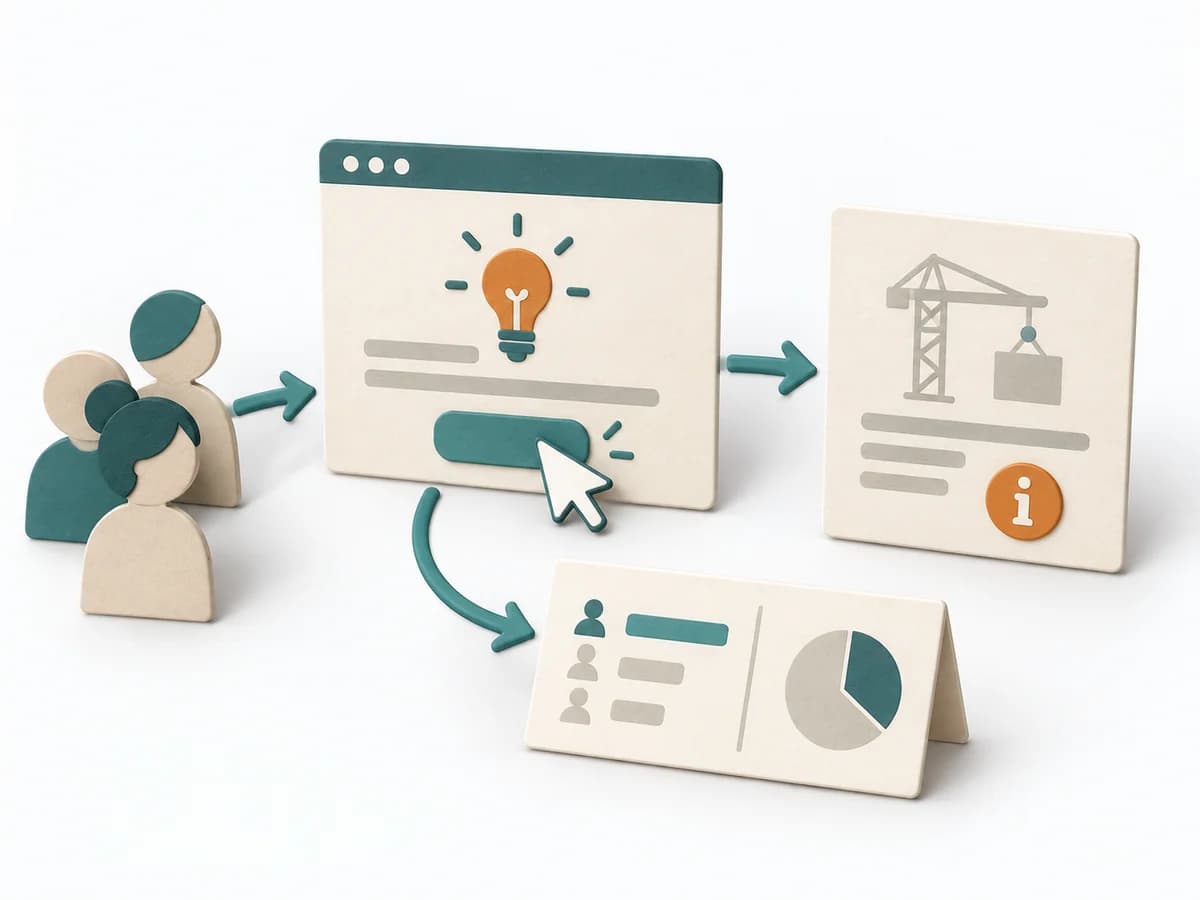
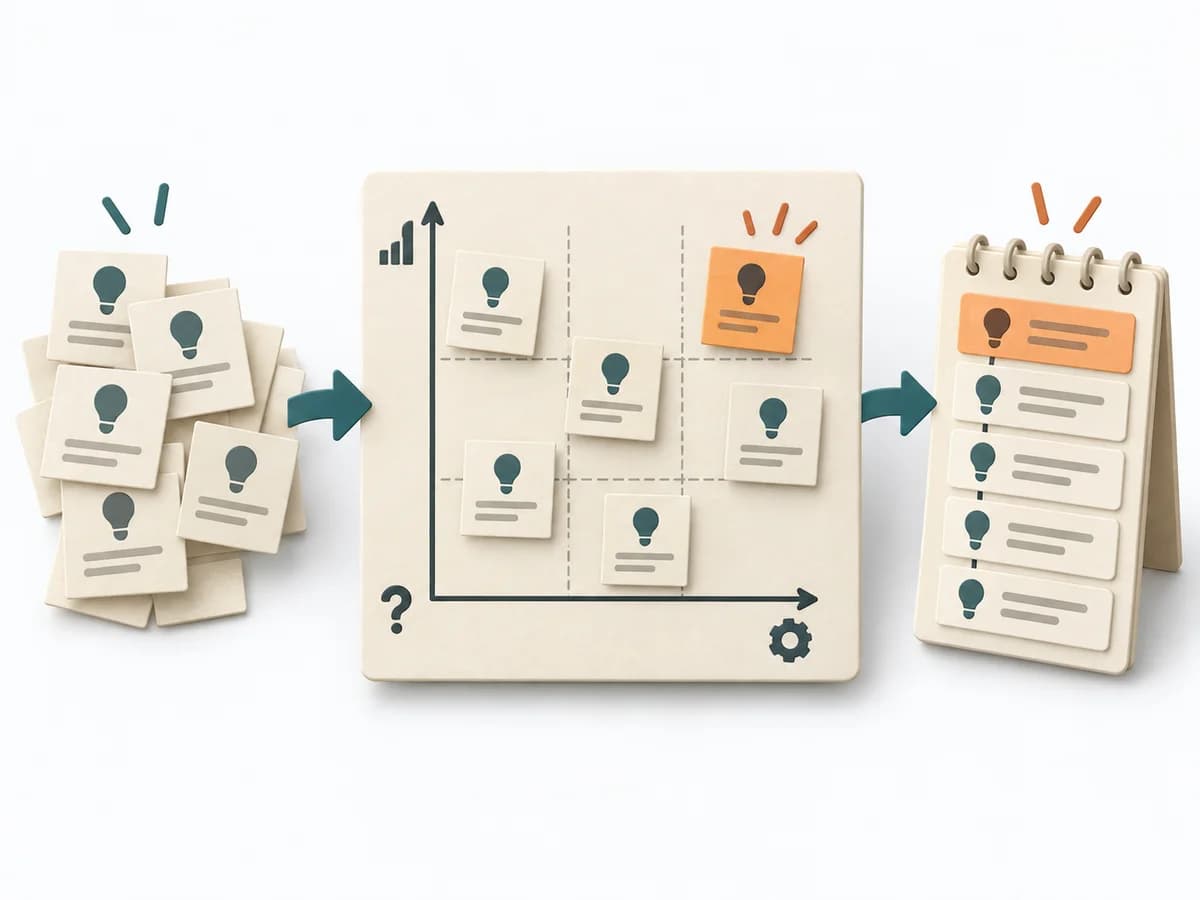
Purposedifferent | Outcome-Driven Innovation clarifies customer problems, solution opportunities, and evidence. It separates jobs, desired outcomes, importance, satisfaction, and opportunity, and captures results as desired outcome statements, an opportunity landscape, and segments by underserved needs. | When experiments become unreadable after the fact, it arranges hypothesis, signal, and learning goal on a single canvas. It separates problem, assumption, solution, and evidence. The result is captured as a Completed Experiment Canvas and a Success Metric. | When the product question is unclear and time pressure is high, the method takes a team from an open idea to a testable solution. It connects problem understanding, decision, and learning in one compact format, lowering the risk of spending a lot of energy on a mere guess. |
Complexitydifferent | High | Low | High |
Timedifferent | Mehrere Wochen | 30-60 min | 4-5 Tage |
Participantsdifferent | 2-6 researchers plus sample | 1-5 | 5-8 |
Formatdifferent | Workshop + async | Workshop + async | Workshop |
Outputdifferent | Desired outcome statements, Opportunity landscape, Segmentation by underserved needs, Innovation hypotheses | Completed Experiment Canvas, Success Metric | Prototype, Test Findings, Decision Rationale |
Tagsno overlap | OutcomesInnovationResearchQuantitative | ExperimentsValidationDiscoveryHypothesis | Design sprintPrototypeValidationInnovation |
Often compared together
Methods with strong topical overlap with the current selection, not yet in the comparison.