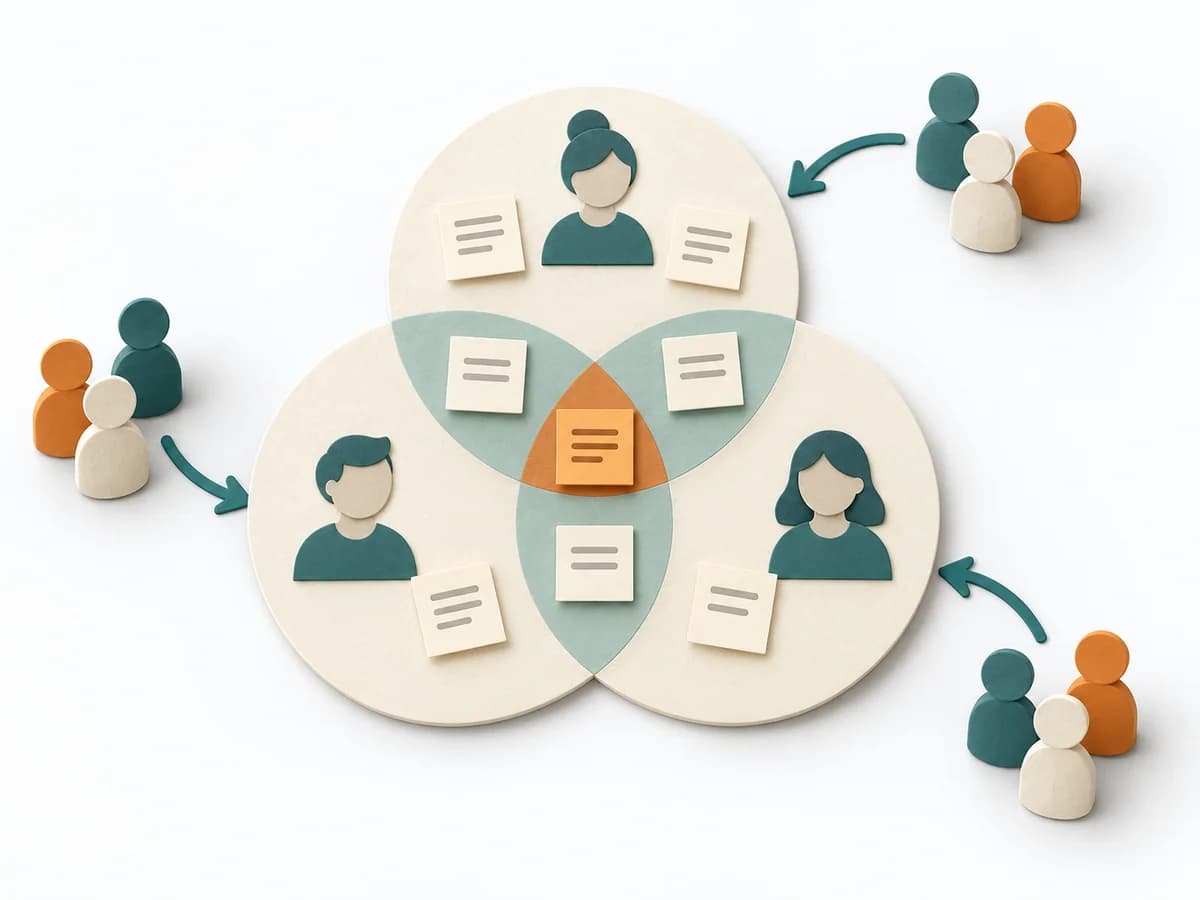
View methods side by side.
Choose up to four methods. Add them using the search and share the comparison by copying its link.
| Criterion | 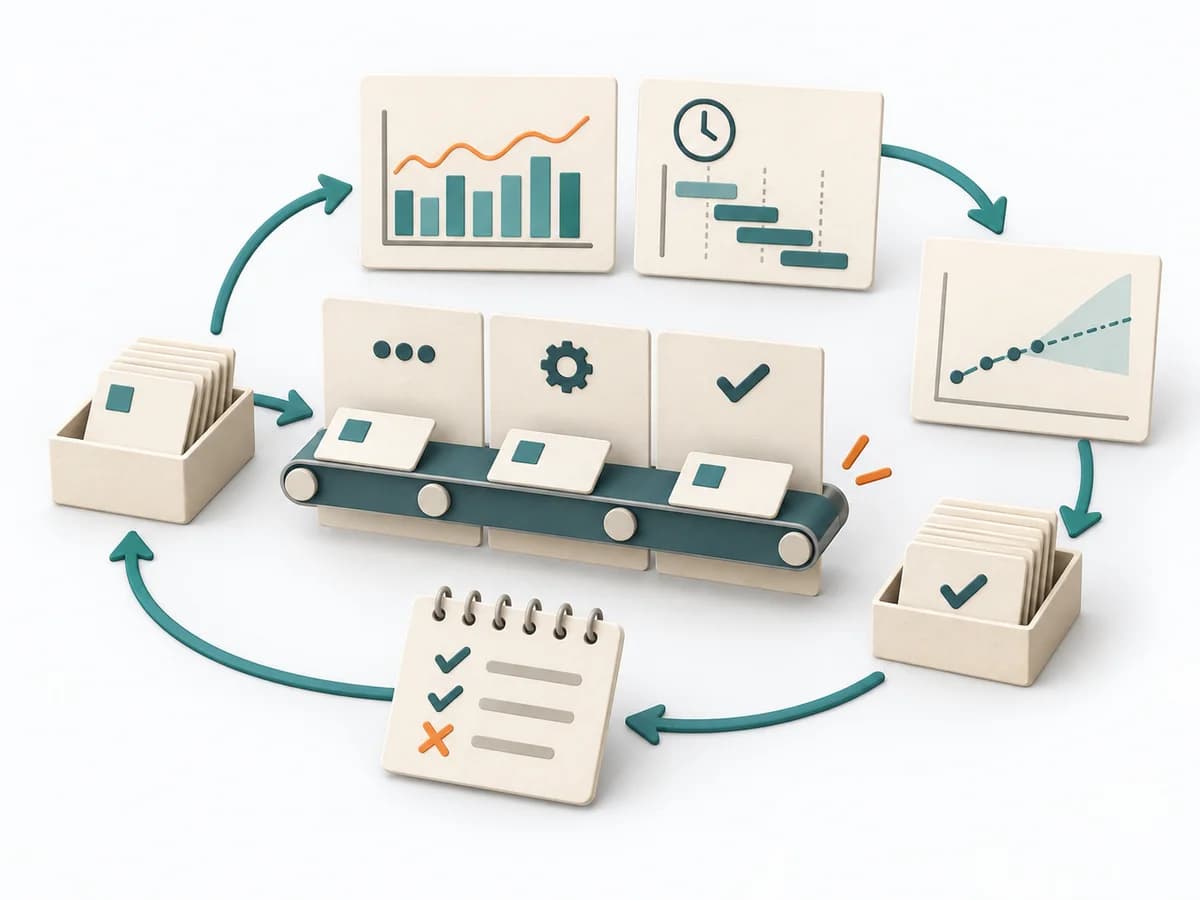 Agile NoEstimates | 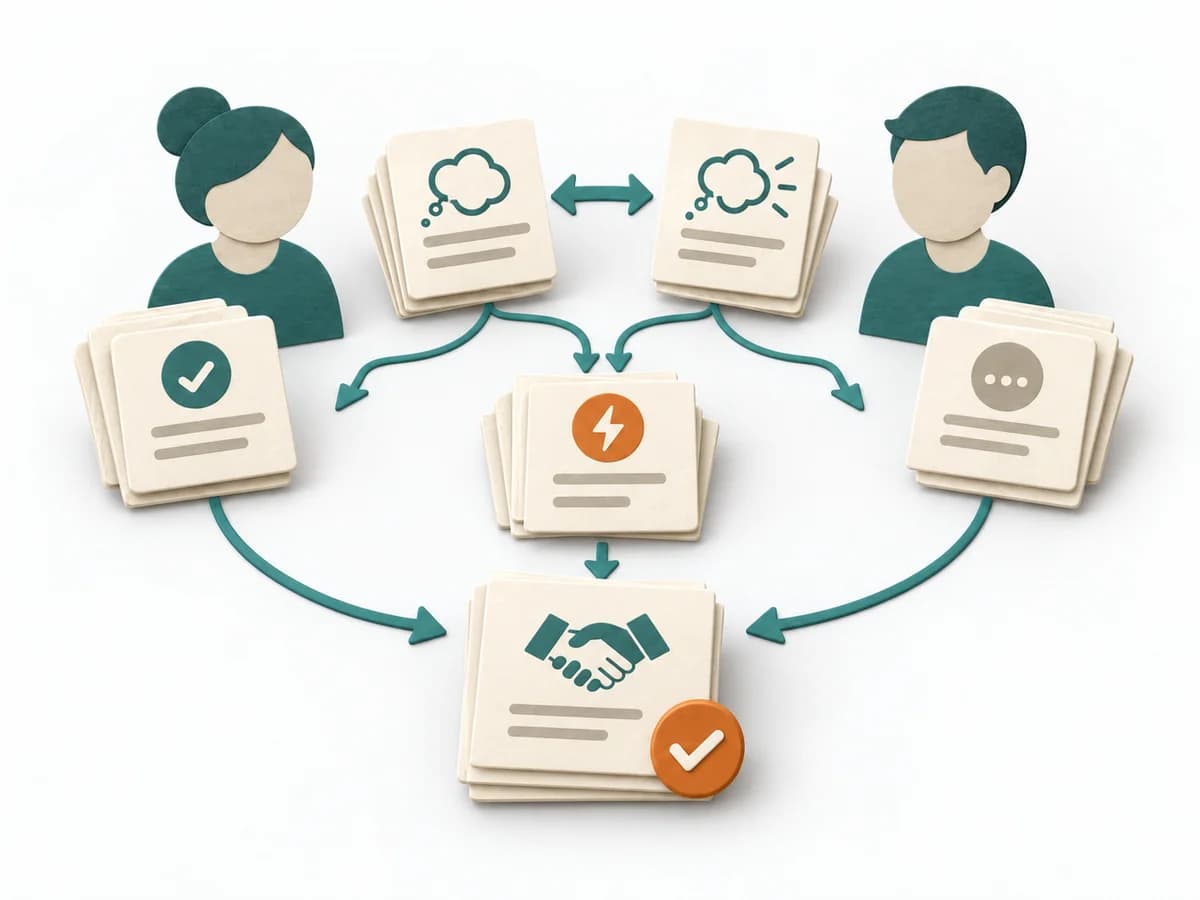 Facilitation Expectation Mapping |  Facilitation Stakeholder Salience Model |
|---|---|---|---|
Purposedifferent | When estimating slows a team down more than it helps, it shifts the focus to flow, small slices, and real lead time. It sorts work by value, risk, and delivery ability. The result is captured as Throughput Data, Flow Forecast, and Slicing Rules. | When roles, interfaces, or projects fail because of differing expectations, Expectation Mapping surfaces these differences. It shows what each side takes for granted and where the pictures diverge. | When stakeholders appear to matter very differently, the Stakeholder Salience Model rates their actual priority through power, legitimacy, and urgency. It turns individual contributions into a visible selection. The result is captured as a Salience diagram and a class-based strategy. |
Complexitydifferent | Medium | Low | Medium |
Timedifferent | laufend | 45-90 min | 60-90 min |
Participantsdifferent | 2-12 | 3-12 | 3-6 |
Formatdifferent | Workshop + async | Workshop | Workshop |
Outputdifferent | Throughput Data, Flow Forecast, Slicing Rules | Expectation Map, Alignment Notes, Agreements | Salience Diagram, Strategy per Class |
Tagsno overlap | EstimationForecastingFlow | AlignmentStakeholdersTeam | StakeholdersFacilitationAlignmentGovernance |
Often compared together
Methods with strong topical overlap with the current selection, not yet in the comparison.