View methods side by side.
Choose up to four methods. Add them using the search and share the comparison by copying its link.
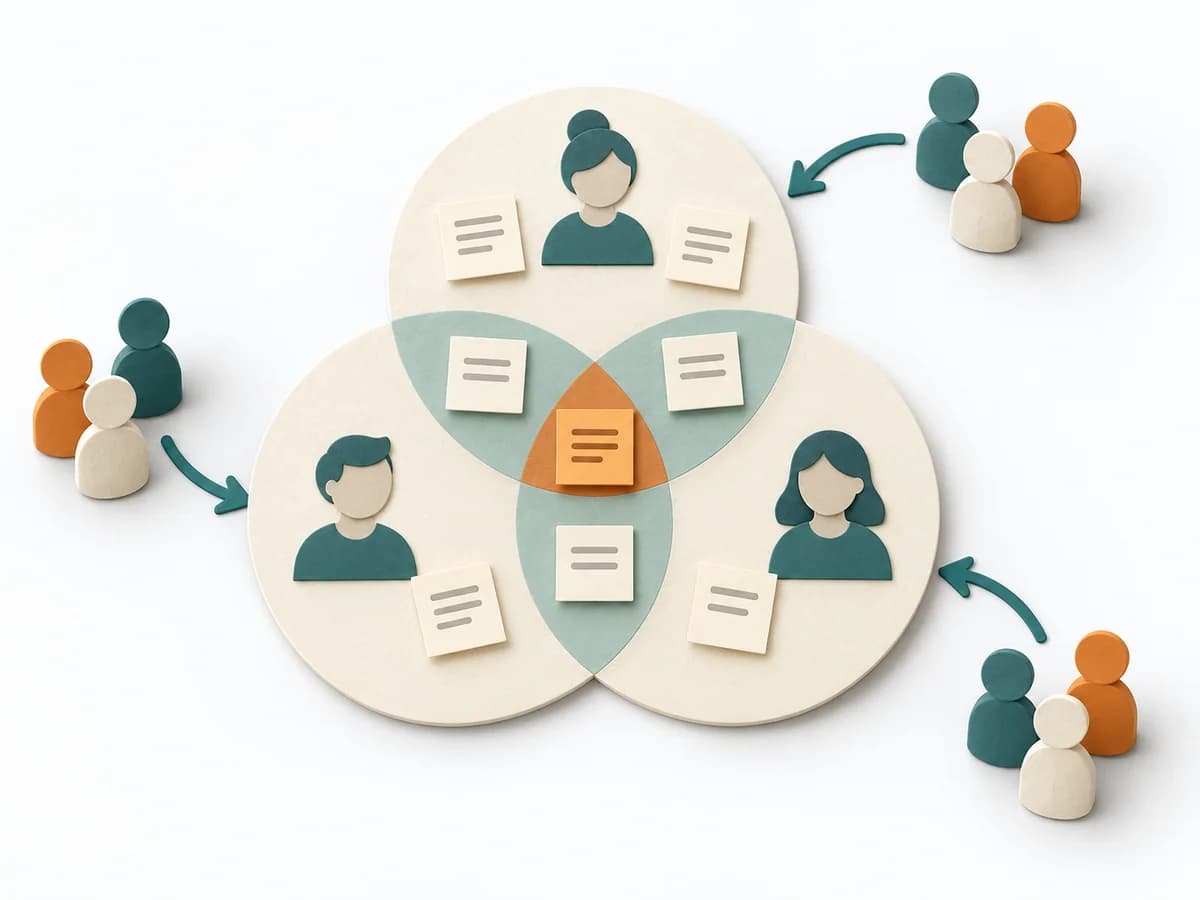
| Criterion | 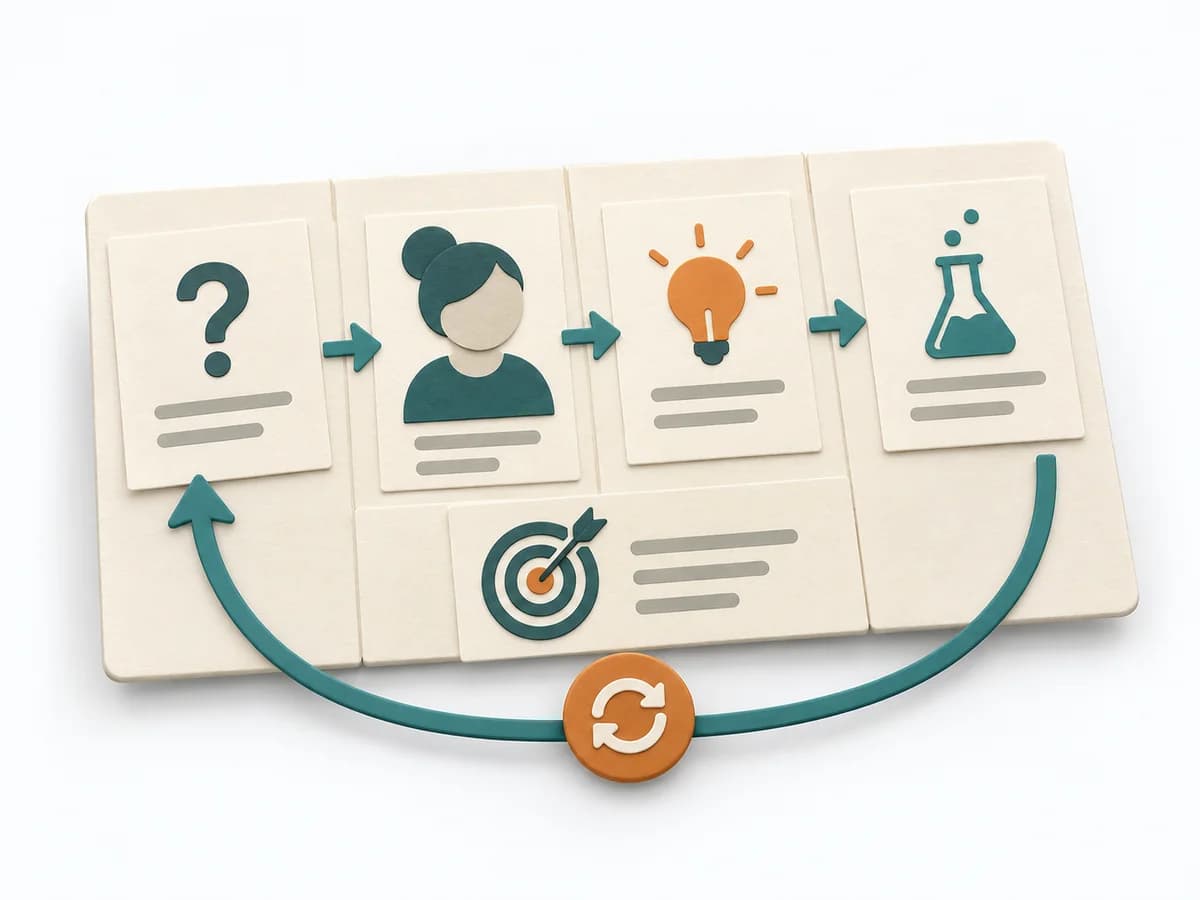 UX Design Lean UX Canvas |  Facilitation Stakeholder Salience Model | 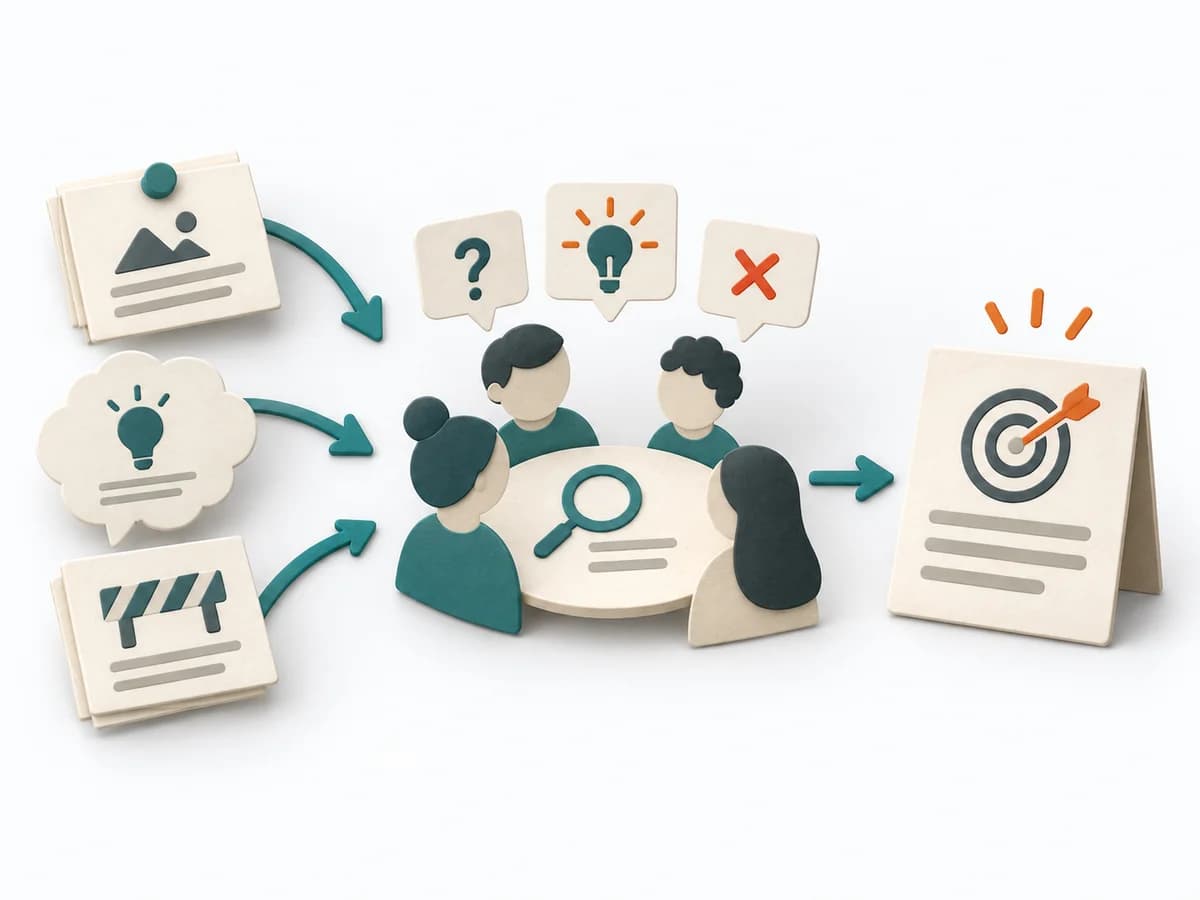 Facilitation Problem Framing Workshop |
|---|---|---|---|
Purposedifferent | The Lean UX Canvas helps clarify user behavior, touchpoints, and concept decisions. It makes assumptions and desired outcomes visible and captures the result as a completed canvas, hypothesis list, and first experiment. | When stakeholders appear to matter very differently, the Stakeholder Salience Model rates their actual priority through power, legitimacy, and urgency. It turns individual contributions into a visible selection. The result is captured as a Salience diagram and a class-based strategy. | When a team works on symptoms but the real question stays fuzzy, a Problem Framing Workshop sharpens the view of the right problem. It separates observation, interpretation, and target picture from each other. |
Complexitydifferent | Medium | Medium | Low |
Timedifferent | 2-3 h | 60-90 min | 60-120 min |
Participantsdifferent | 3-8 | 3-6 | 4-10 |
Formatdifferent | Workshop + async | Workshop | Workshop |
Outputdifferent | Completed Lean UX Canvas, Hypothesis list, First experiment | Salience Diagram, Strategy per Class | Problem Statement, Scope Boundaries, Assumption List, Next Analysis Questions |
Tagsno overlap | CanvasHypothesisOutcomesDiscovery | StakeholdersFacilitationAlignmentGovernance | FacilitationAlignmentDiscovery |
Often compared together
Methods with strong topical overlap with the current selection, not yet in the comparison.