View methods side by side.
Choose up to four methods. Add them using the search and share the comparison by copying its link.
| Criterion | 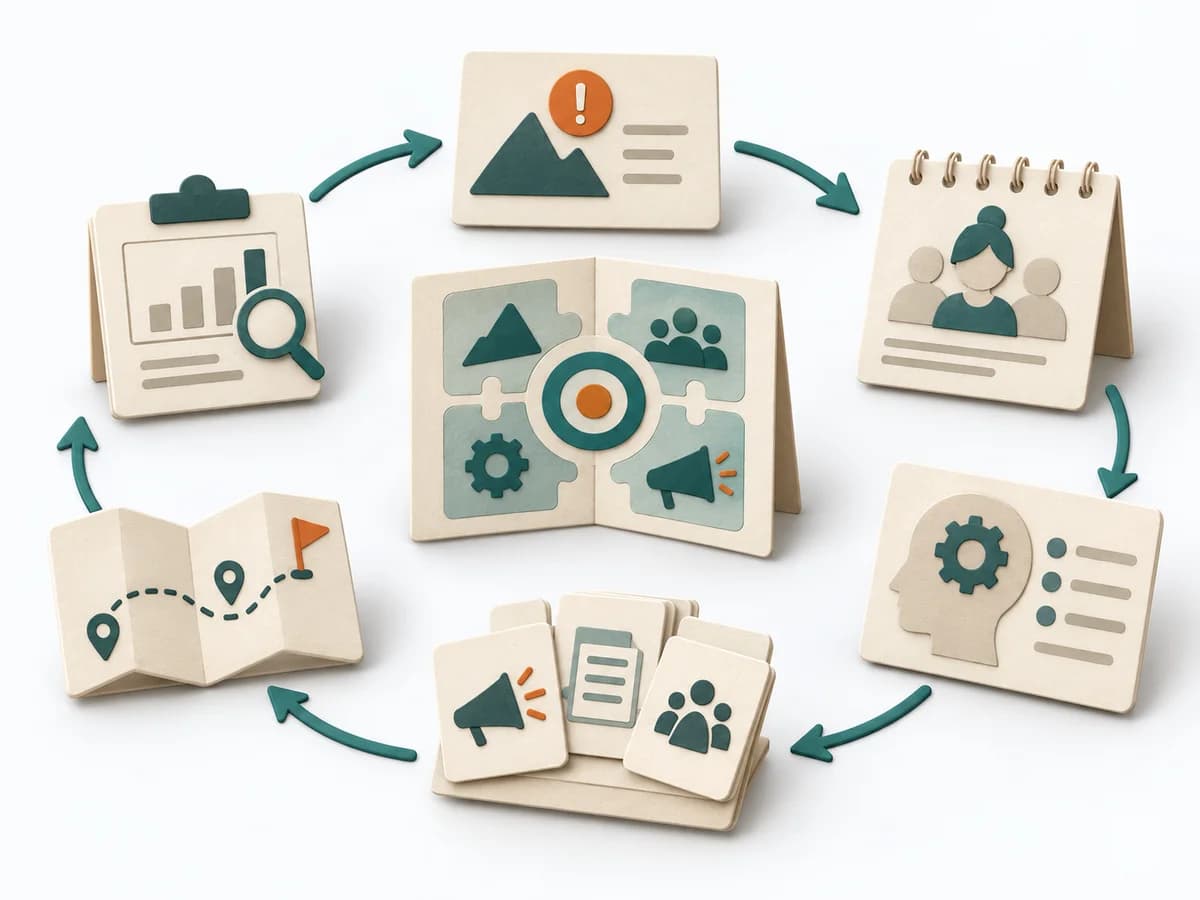 Systems Thinking Intervention Mapping | 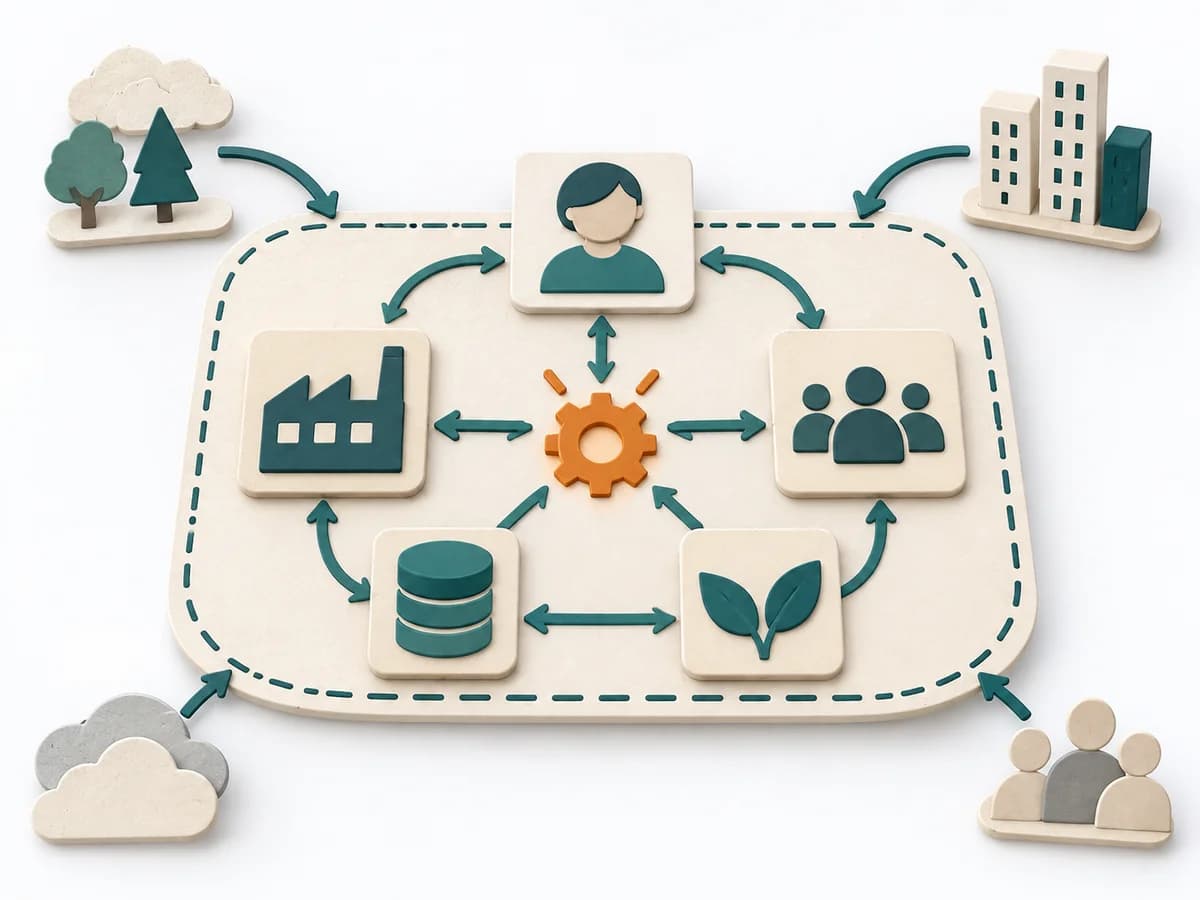 Systems Thinking Systems Mapping |  Facilitation Stakeholder Mapping |
|---|---|---|---|
Purposedifferent | Intervention Mapping translates a need for change into a planned, evaluable program. The method connects target group, determinants, actions, and measurement into a traceable chain. | Systems Mapping arranges elements, relationships, and boundaries so a complex field becomes legible at a glance. The overview stabilizes the overall picture before detail work or steering begins. | When an initiative depends on many people, interests, and power dynamics, Stakeholder Mapping systematically orders the environment. It shows who influences, who is affected, and where relationship management or safeguarding matters first. |
Complexitydifferent | High | Medium | Low |
Timedifferent | 1-5 Tage | 1-3 h | 60–90 min |
Participantsdifferent | 4-12 | 3-12 | 2-8 |
Formatsame | Workshop + async | Workshop + async | Workshop + async |
Outputdifferent | Logic Model, Change Objectives, Intervention Components, Evaluation Plan | System Map, Dependencies, Leverage Points | Stakeholder Map, Engagement Plan, Risk Notes |
Tags1 shared | ChangeSystems thinkingCapability | Systems thinkingMappingBoundariesChange | StakeholdersAlignmentFacilitationChange |
Often compared together
Methods with strong topical overlap with the current selection, not yet in the comparison.