View methods side by side.
Choose up to four methods. Add them using the search and share the comparison by copying its link.
| Criterion |  DevOps Incident Command |  Facilitation Responsibility Poker |  Decision Making Decision Rights Mapping |
|---|---|---|---|
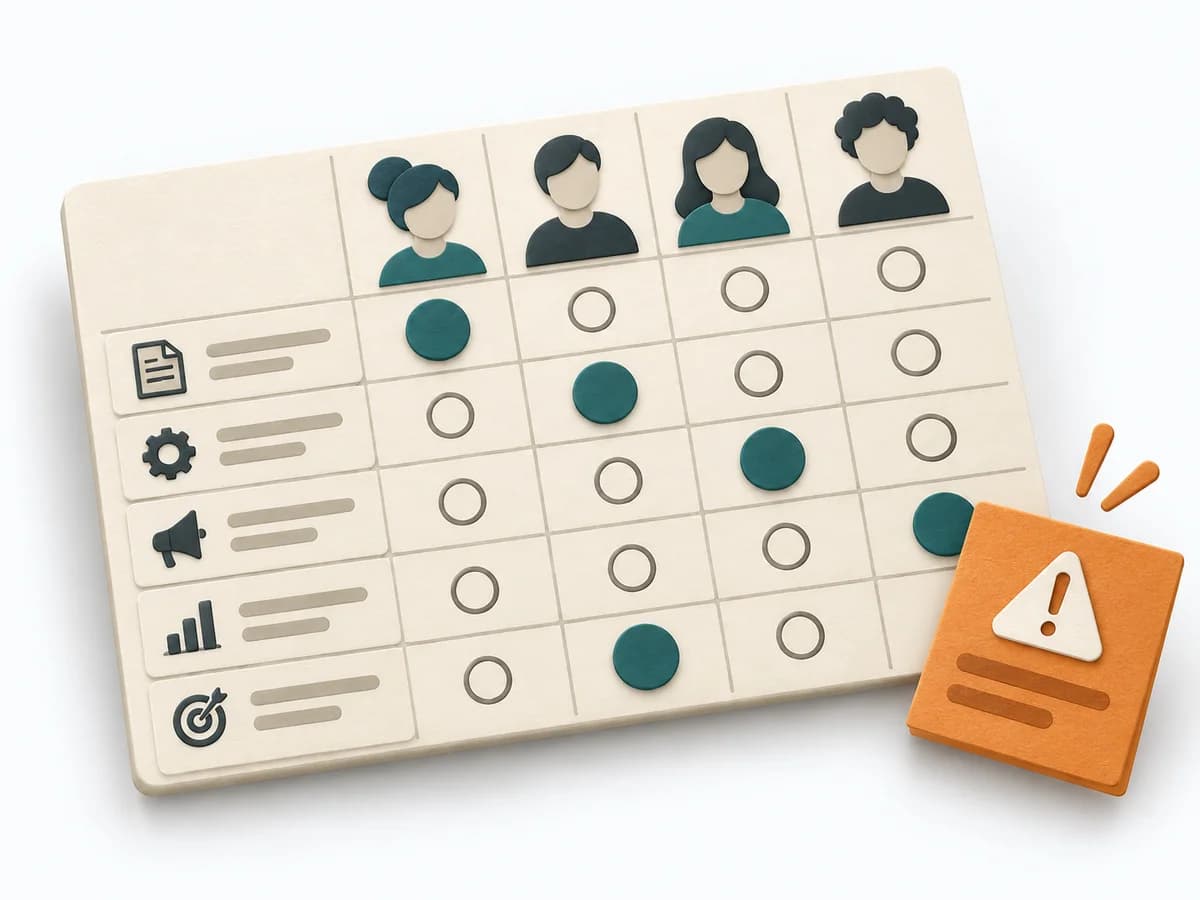
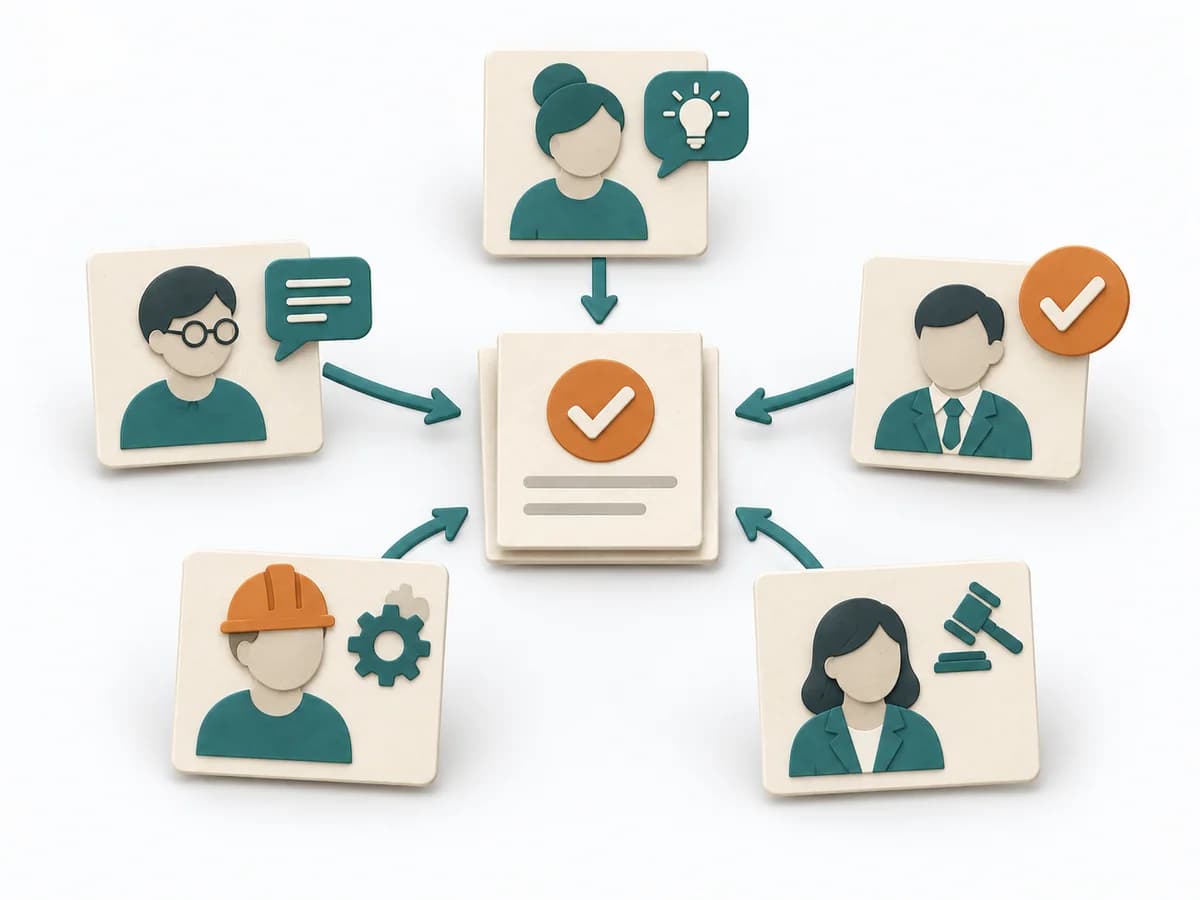
Purposedifferent | During an acute incident with several people involved, the method creates a clear leadership and communication structure. It reduces chaos when fast coordination and clean situational awareness are both needed at once. | When it stays unclear who carries responsibility and who only contributes, Responsibility Poker makes the distribution of responsibility explicit. It sharpens the boundaries between weighing in, deciding, and bearing consequences. | In organizations with many stakeholders, it often blurs who actually decides and who is merely consulted. It separates options, evaluation criteria, and open risks. The result is captured as a Decision Rights matrix and an agreement. |
Complexitydifferent | Medium | Low | Medium |
Timedifferent | As needed | 45-90 min | 90-180 min |
Participantsdifferent | 4-15 | 3-10 | 4-12 |
Formatdifferent | Workshop + async | Workshop | Workshop |
Outputdifferent | Incident Log, Action Tracker, Stakeholder Updates | Responsibility Map, Role Agreements, Open Questions | Decision Rights Matrix, Agreement |
Tagsno overlap | IncidentOperationsReliability | RolesResponsibilityTeamFacilitation | DecisionGovernanceAlignmentResponsibility |
Often compared together
Methods with strong topical overlap with the current selection, not yet in the comparison.