View methods side by side.
Choose up to four methods. Add them using the search and share the comparison by copying its link.
| Criterion | 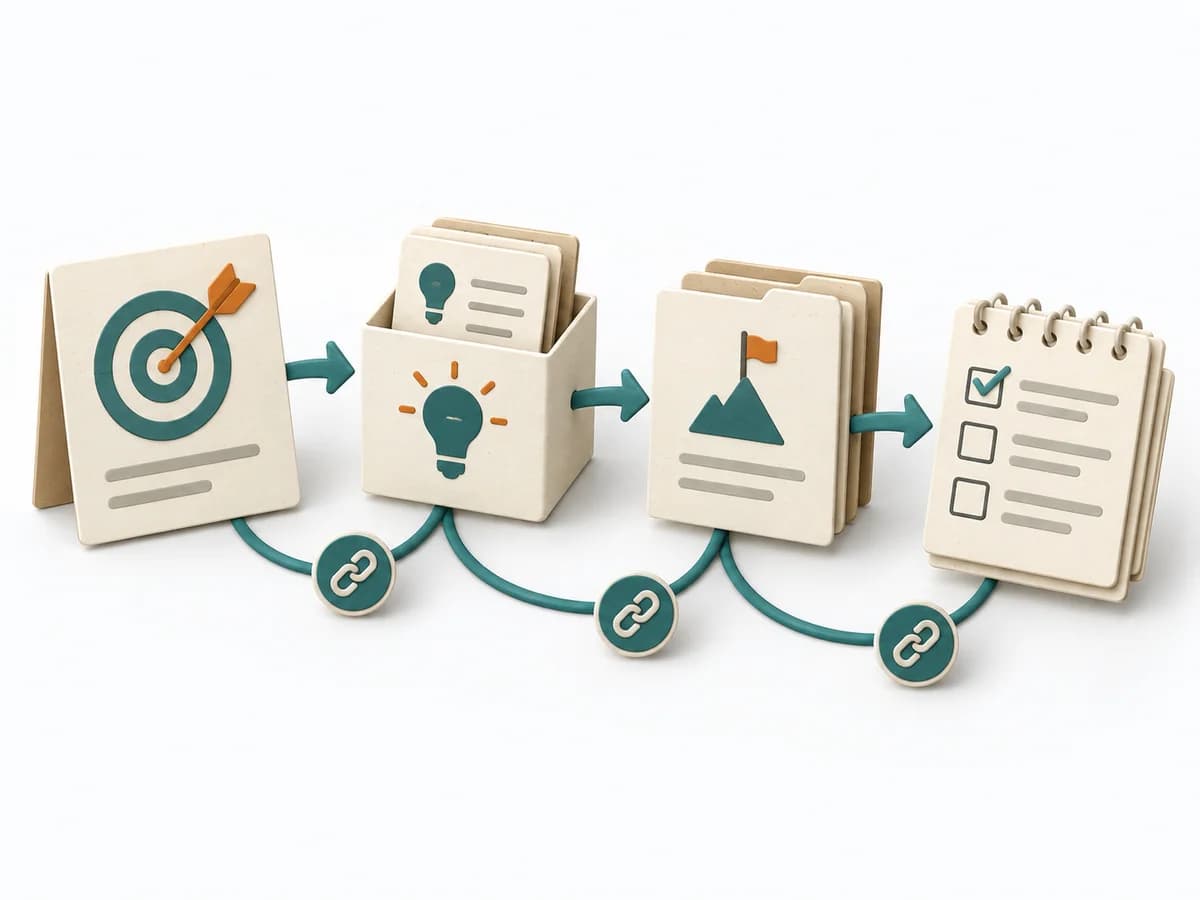 Product Strategy GIST Planning |  UX Research Surveys | 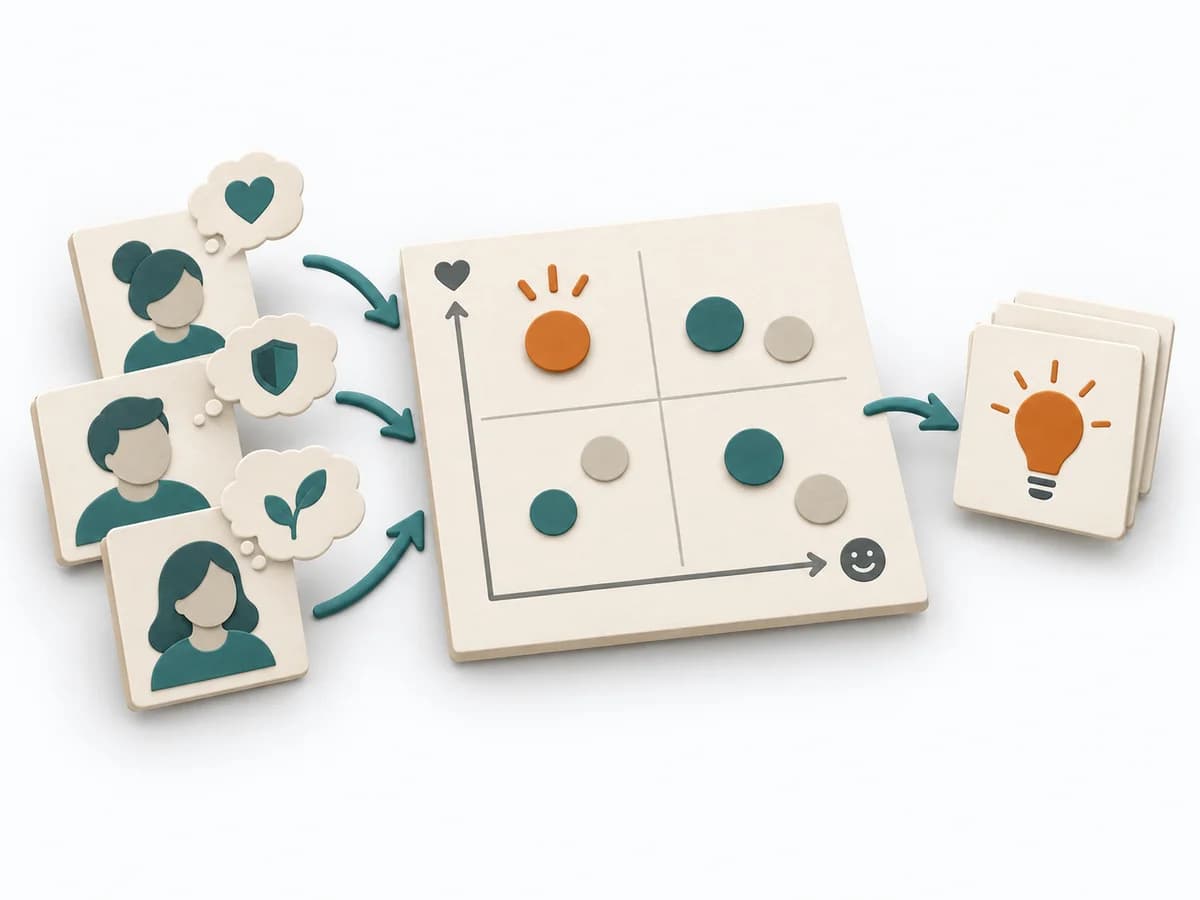 Product Discovery Outcome-Driven Innovation |
|---|---|---|---|
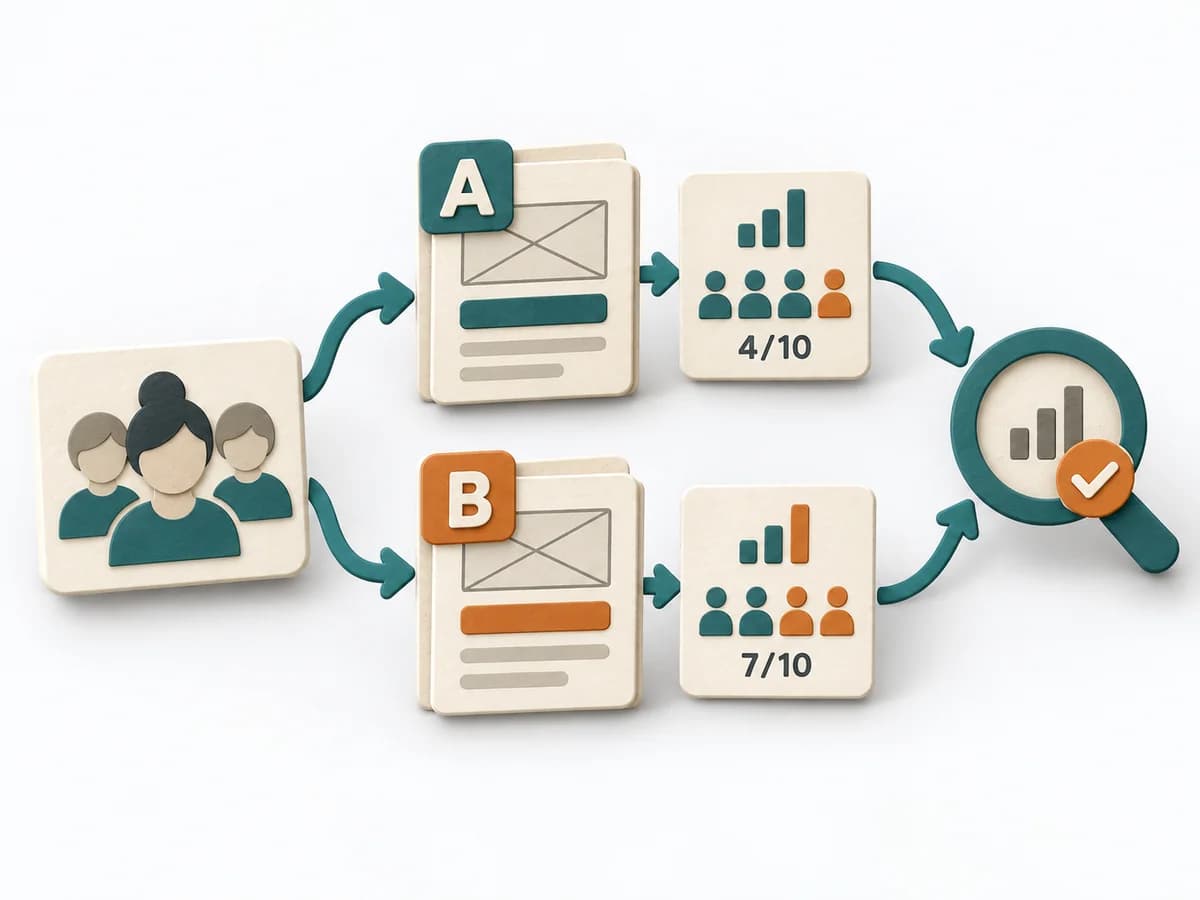
Purposedifferent | GIST Planning helps clarify target groups, value, goals, and priorities. It links customer value, product logic, and decision priorities, and captures the result as goals, an idea bank, and a step-project list. | When a topic needs to be validated broadly and many people can answer the same question, surveys gather structured feedback in a scalable form. Answers become comparable and segmentable instead of remaining merely anecdotal. | Outcome-Driven Innovation clarifies customer problems, solution opportunities, and evidence. It separates jobs, desired outcomes, importance, satisfaction, and opportunity, and captures results as desired outcome statements, an opportunity landscape, and segments by underserved needs. |
Complexitydifferent | Medium | Medium | High |
Timedifferent | Wochen bis Monate je Goal | 3-14 Tage | Mehrere Wochen |
Participantsdifferent | 3-10 | 50+ | 2-6 researchers plus sample |
Formatdifferent | Workshop + async | Async | Workshop + async |
Outputdifferent | Goals, Idea bank, Step-project list, Tasks, Learning reports | Survey Results, Charts, Segment Insights | Desired outcome statements, Opportunity landscape, Segmentation by underserved needs, Innovation hypotheses |
Tagsno overlap | RoadmapOutcomesPlanningExperiments | QuantitativeResearchValidation | OutcomesInnovationResearchQuantitative |
Often compared together
Methods with strong topical overlap with the current selection, not yet in the comparison.