View methods side by side.
Choose up to four methods. Add them using the search and share the comparison by copying its link.
| Criterion | 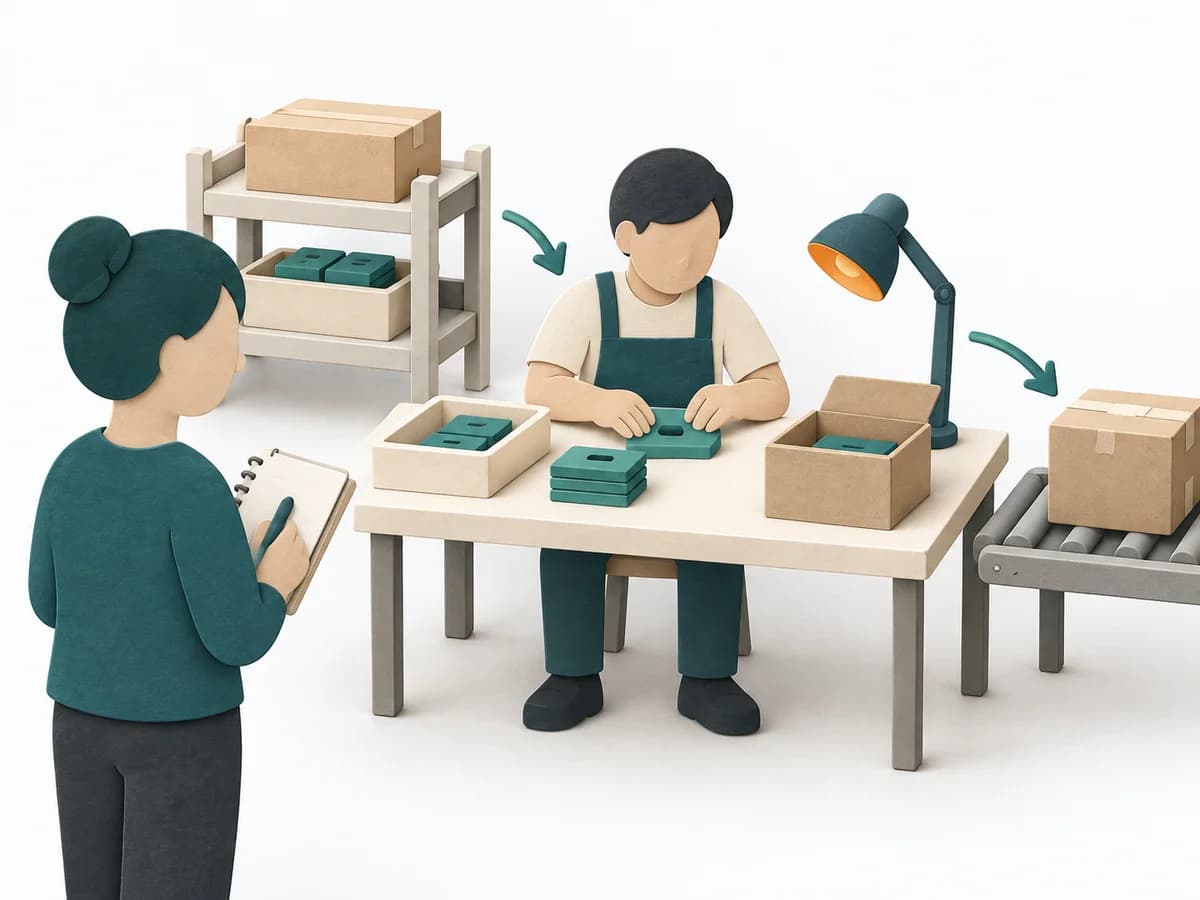 Operations Gemba Walk |  Product Strategy DIBB | 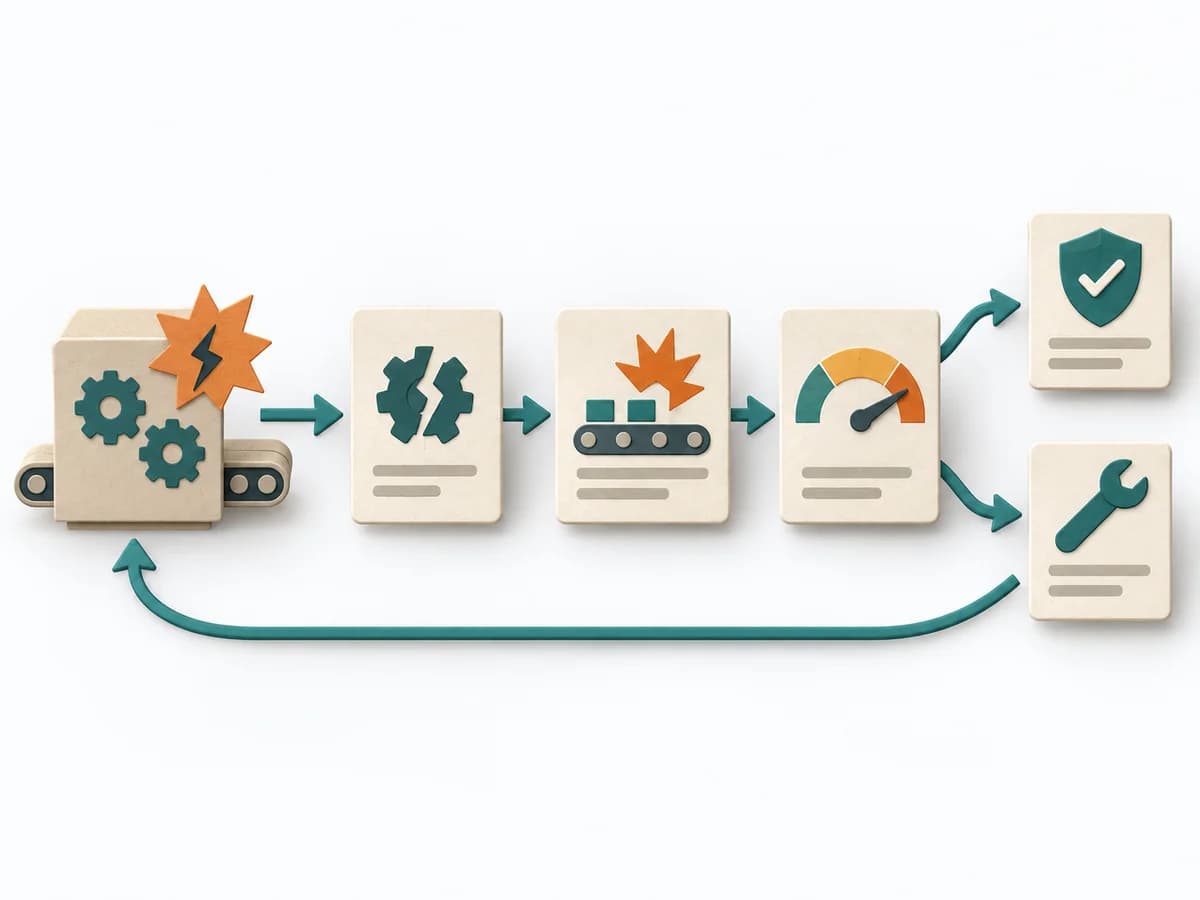 Operations Failure Mode and Effects Analysis |
|---|---|---|---|
Purposedifferent | When there is uncertainty about the real course of a process, the method brings observation to the place where work happens. It combines perception, follow-up questions, and process knowledge so decisions rest on actual workflows instead of assumptions. | DIBB helps clarify target groups, value, goals, and priorities by making the logic behind a decision explicit. It captures results as a DIBB document, belief list, bet list, and learning report. | For a process, product, or service with noticeable failure risks, the method assesses possible failure modes in advance. It directs attention to combinations of occurrence, effect, and detectability. |
Complexitydifferent | Low | Low | High |
Timedifferent | 30-120 min | 1-2 h | 2-6 h |
Participantsdifferent | 2-6 | 2-8 | 3-10 |
Formatdifferent | Workshop | Workshop + async | Workshop |
Outputdifferent | Observation Notes, Improvement Ideas | DIBB document, Belief list, Bet list, Learning report | FMEA Table, Risk Priority, Mitigation Actions |
Tagsno overlap | LeanObservationProcessOperations | StrategyDecisionAssumptionsHypothesis | RiskQualityOperationsRoot cause |
Often compared together
Methods with strong topical overlap with the current selection, not yet in the comparison.