View methods side by side.
Choose up to four methods. Add them using the search and share the comparison by copying its link.
| Criterion |  Business Strategy GAP Analysis | 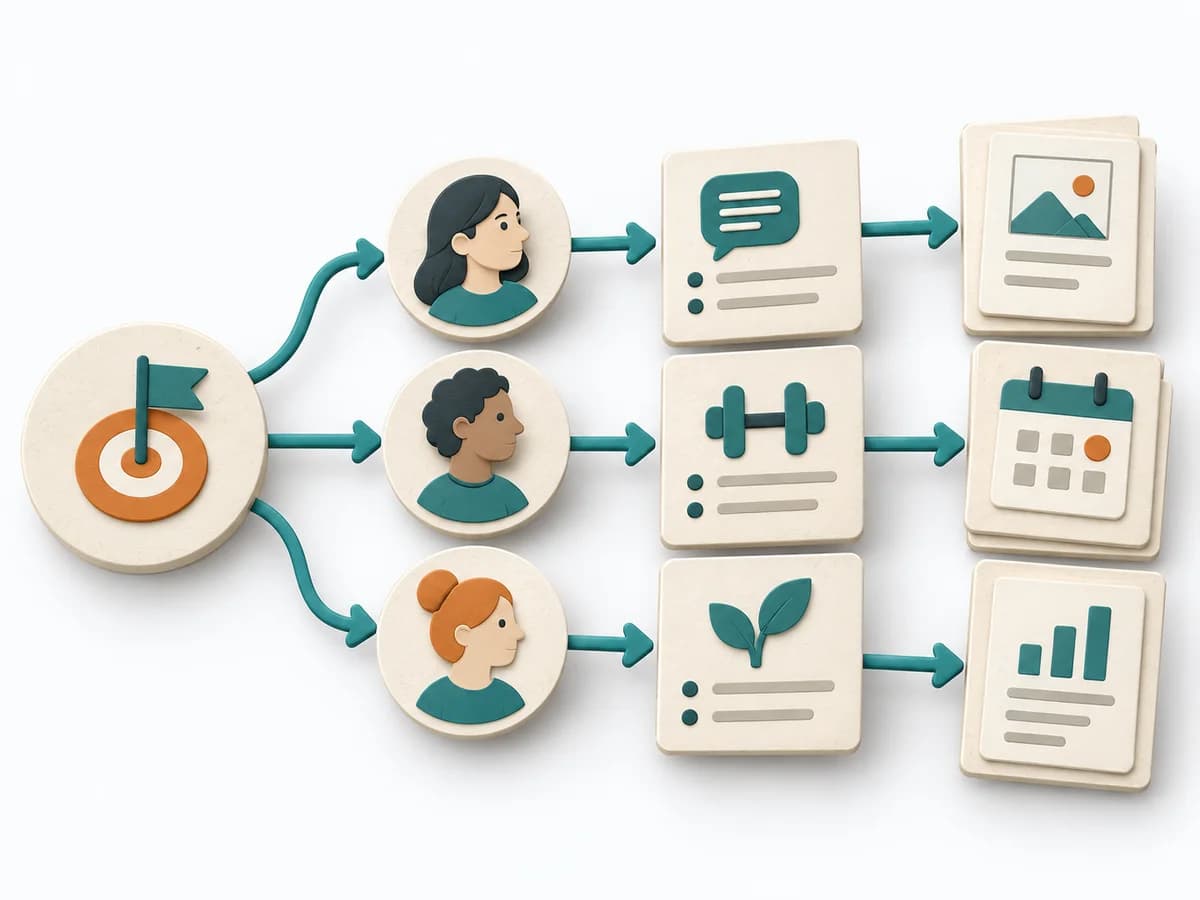 Product Strategy Impact Mapping | 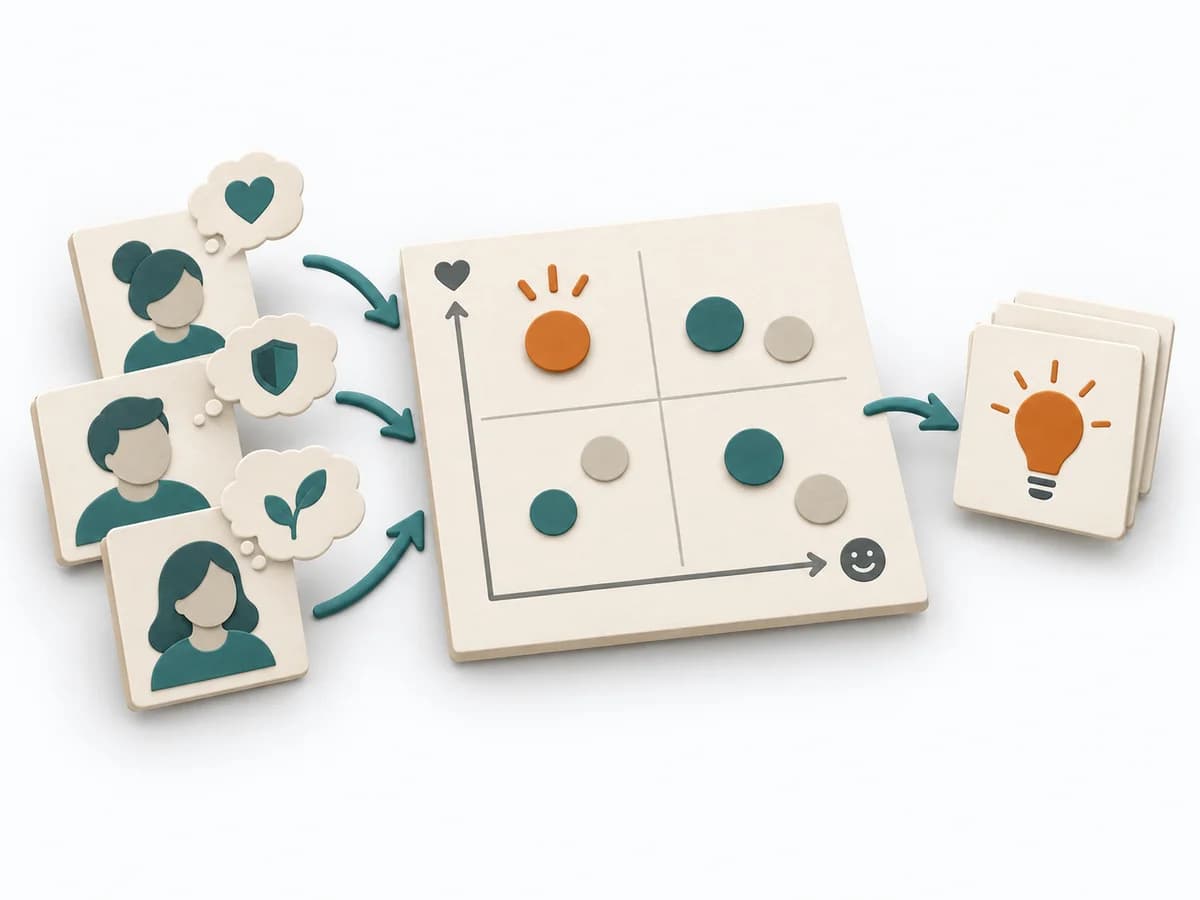 Product Discovery Outcome-Driven Innovation |
|---|---|---|---|
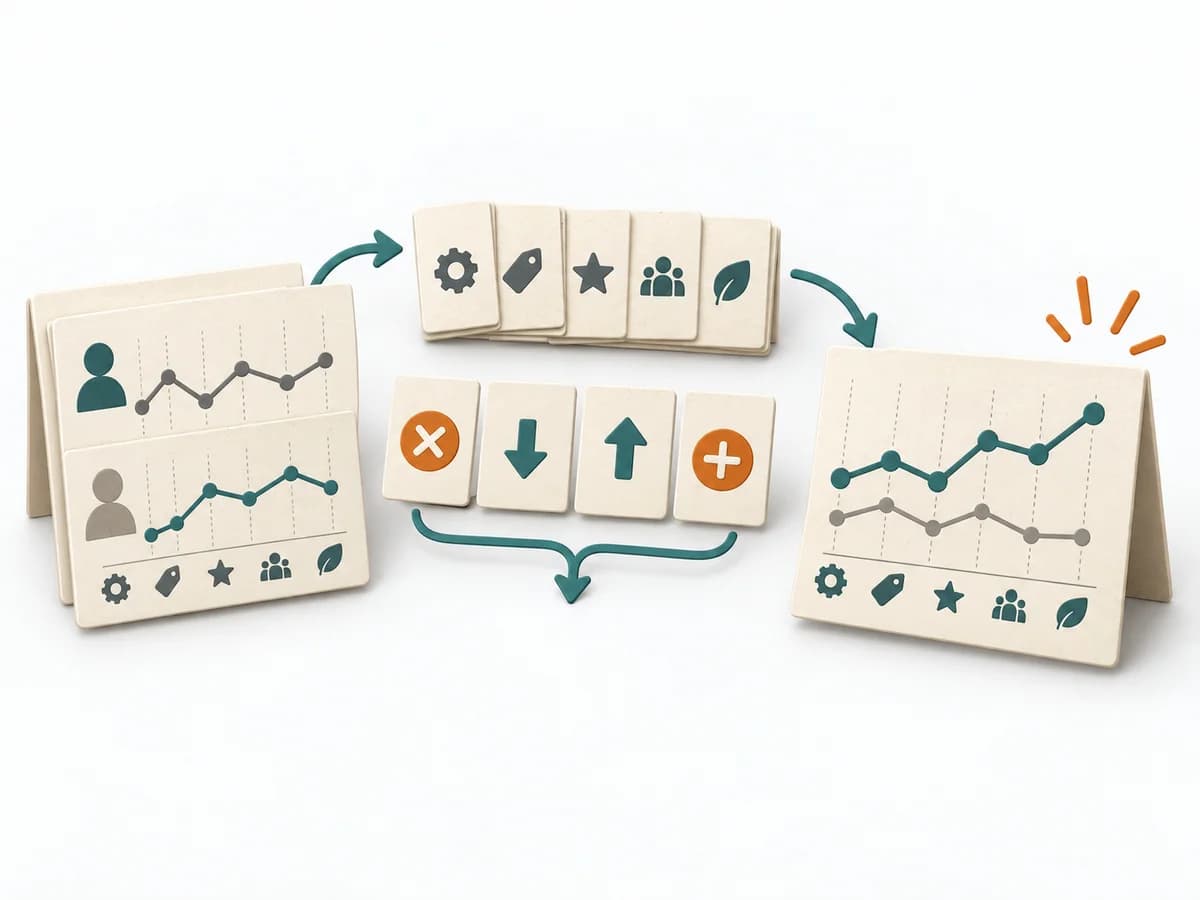
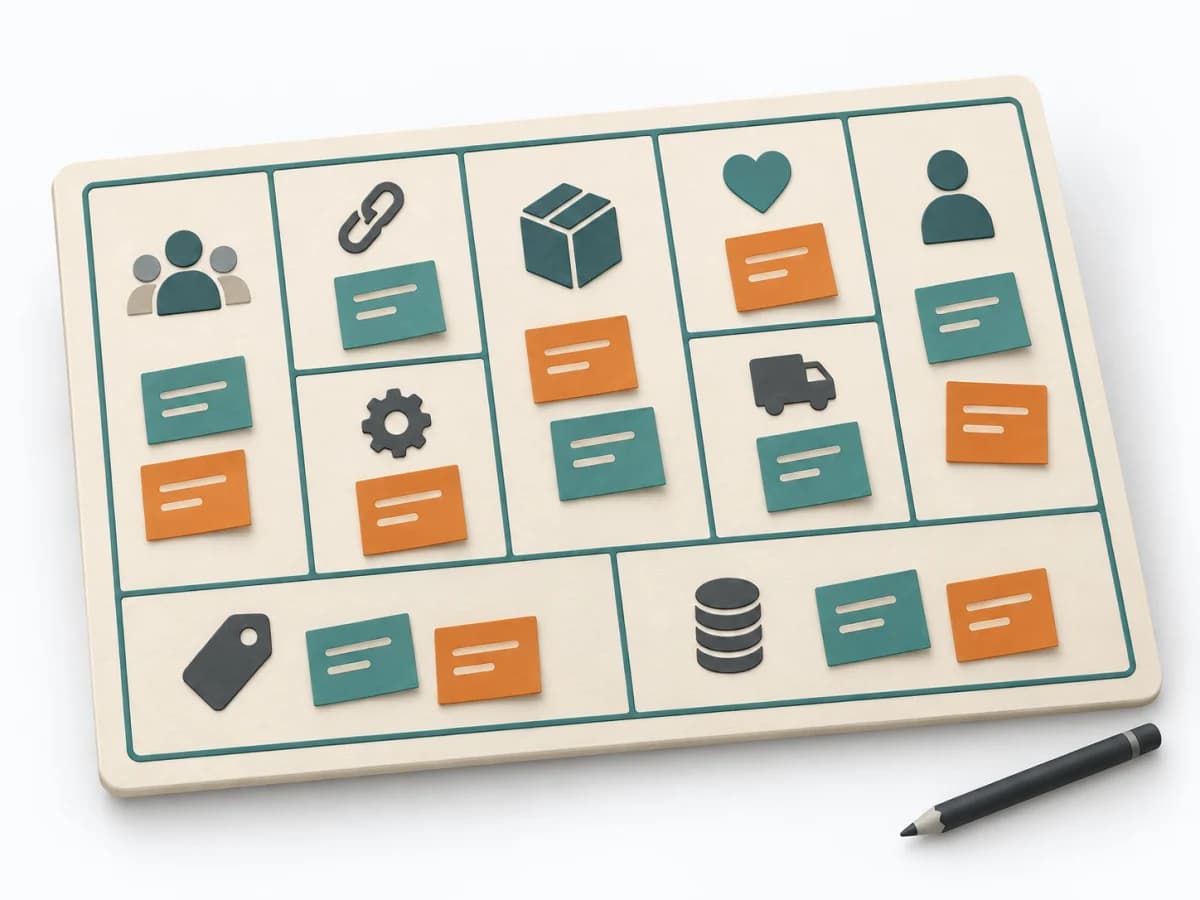
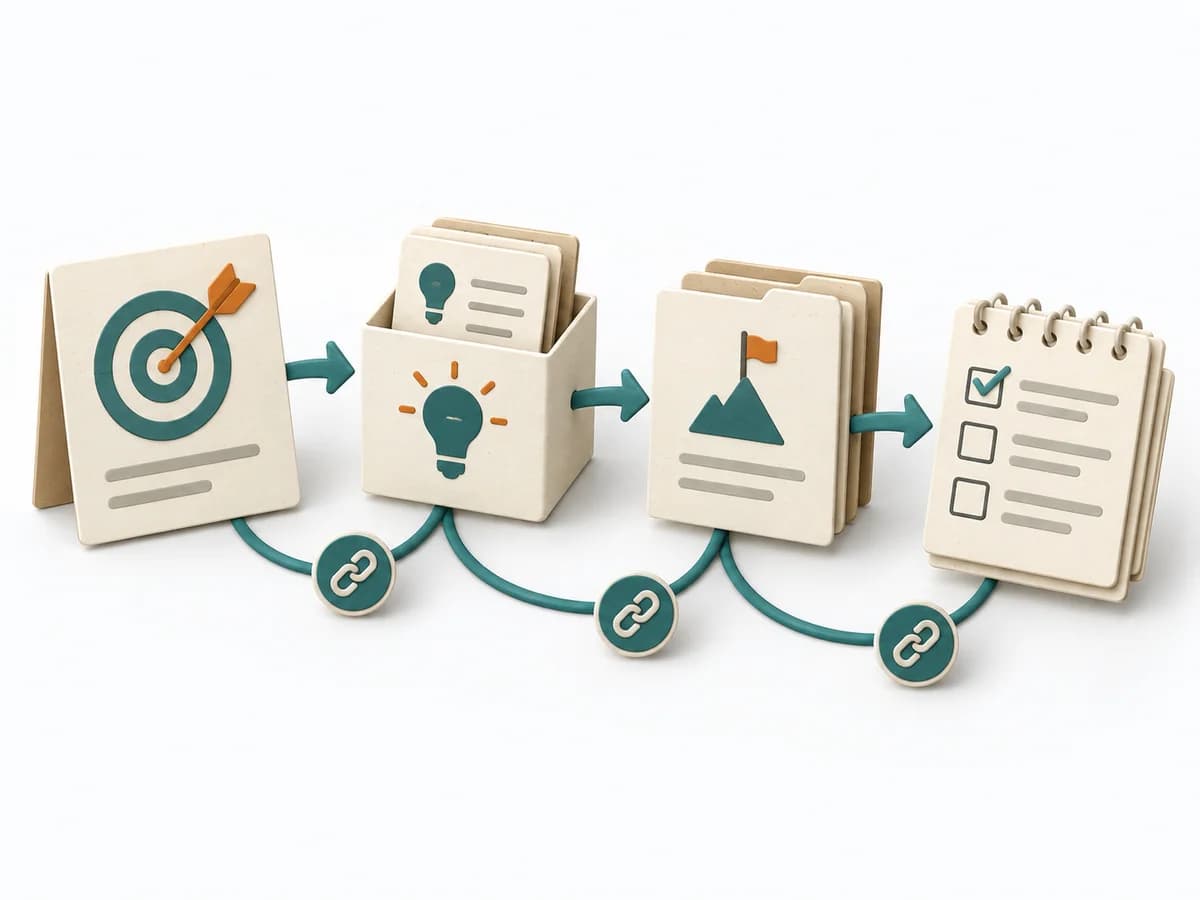
Purposedifferent | GAP Analysis compares the current state with a target picture and makes the distance manageable. It becomes useful when, ahead of new initiatives, it must become clear which capabilities, processes, or resources are missing. | When a goal needs to be connected to several possible paths, it shows chains of impact instead of feature lists. It connects business goal, behavior change, and measures. | Outcome-Driven Innovation clarifies customer problems, solution opportunities, and evidence. It separates jobs, desired outcomes, importance, satisfaction, and opportunity, and captures results as desired outcome statements, an opportunity landscape, and segments by underserved needs. |
Complexitydifferent | Medium | Medium | High |
Timedifferent | 1-3 h | 45-90 min | Mehrere Wochen |
Participantsdifferent | 2-8 | 3-8 | 2-6 researchers plus sample |
Formatdifferent | Workshop + async | Workshop | Workshop + async |
Outputdifferent | Gap Matrix, Action Plan, Risk Notes | Impact Map, Outcome Hypotheses, Delivery Options | Desired outcome statements, Opportunity landscape, Segmentation by underserved needs, Innovation hypotheses |
Tagsno overlap | StrategyAnalysisPlanning | OutcomesStrategyBehaviorPlanning | OutcomesInnovationResearchQuantitative |
Often compared together
Methods with strong topical overlap with the current selection, not yet in the comparison.