View methods side by side.
Choose up to four methods. Add them using the search and share the comparison by copying its link.
| Criterion | 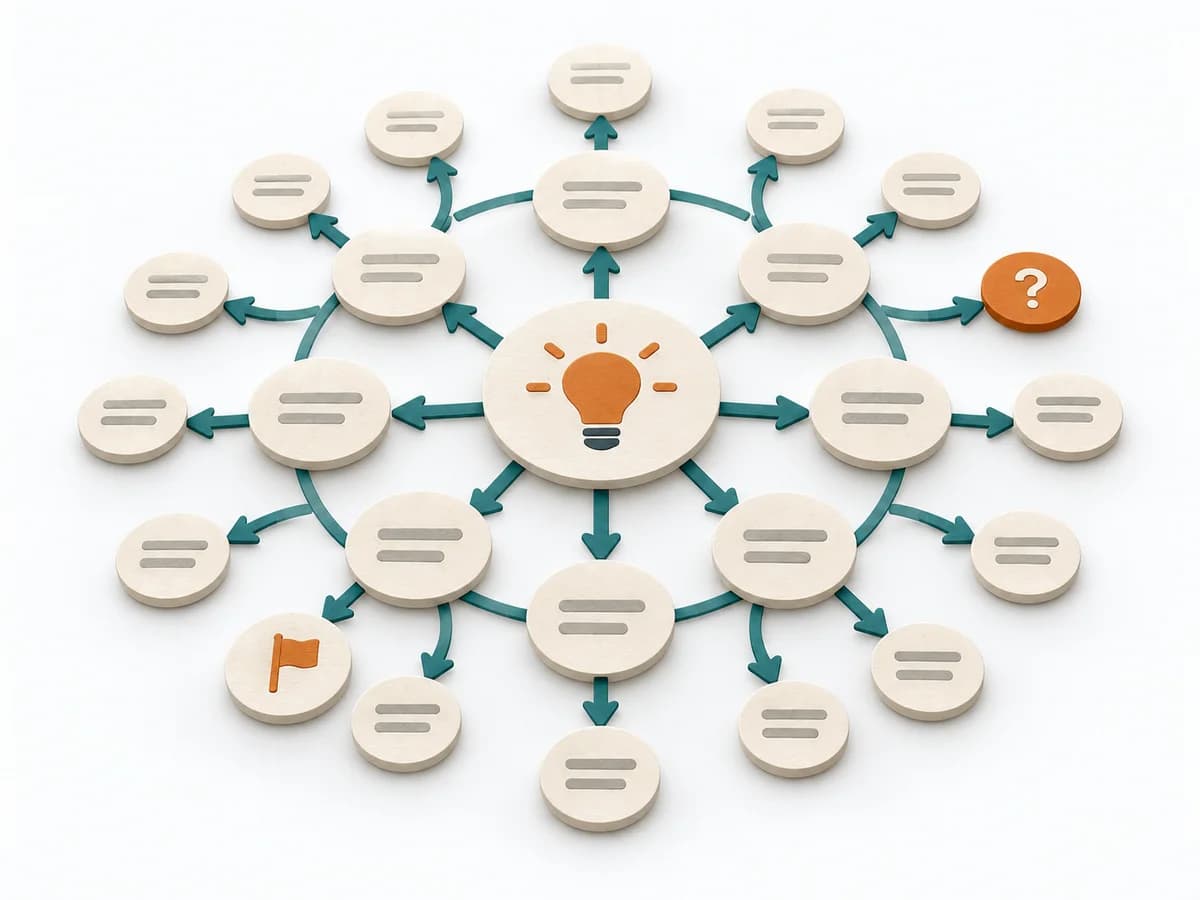 Systems Thinking Futures Wheel | 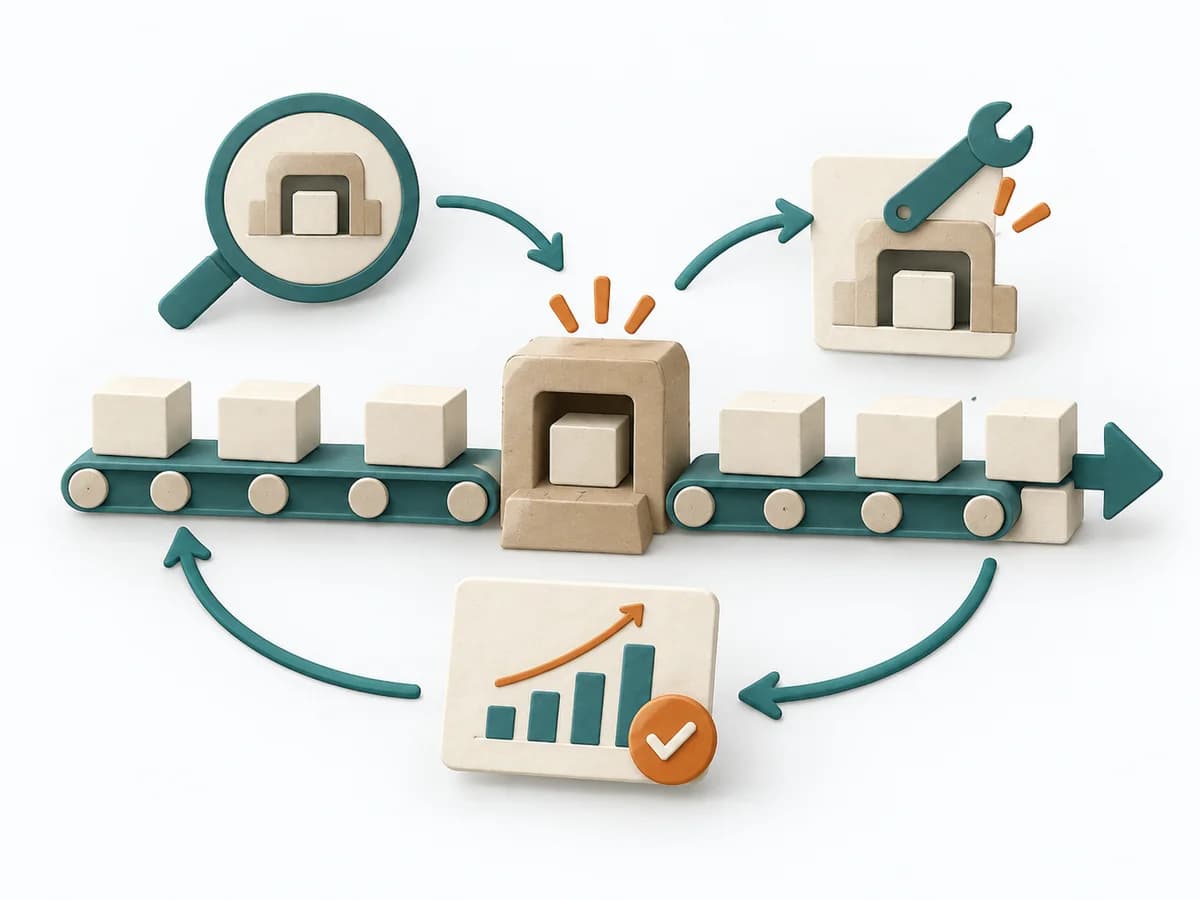 Operations Theory of Constraints |  Operations After-Action Review |
|---|---|---|---|
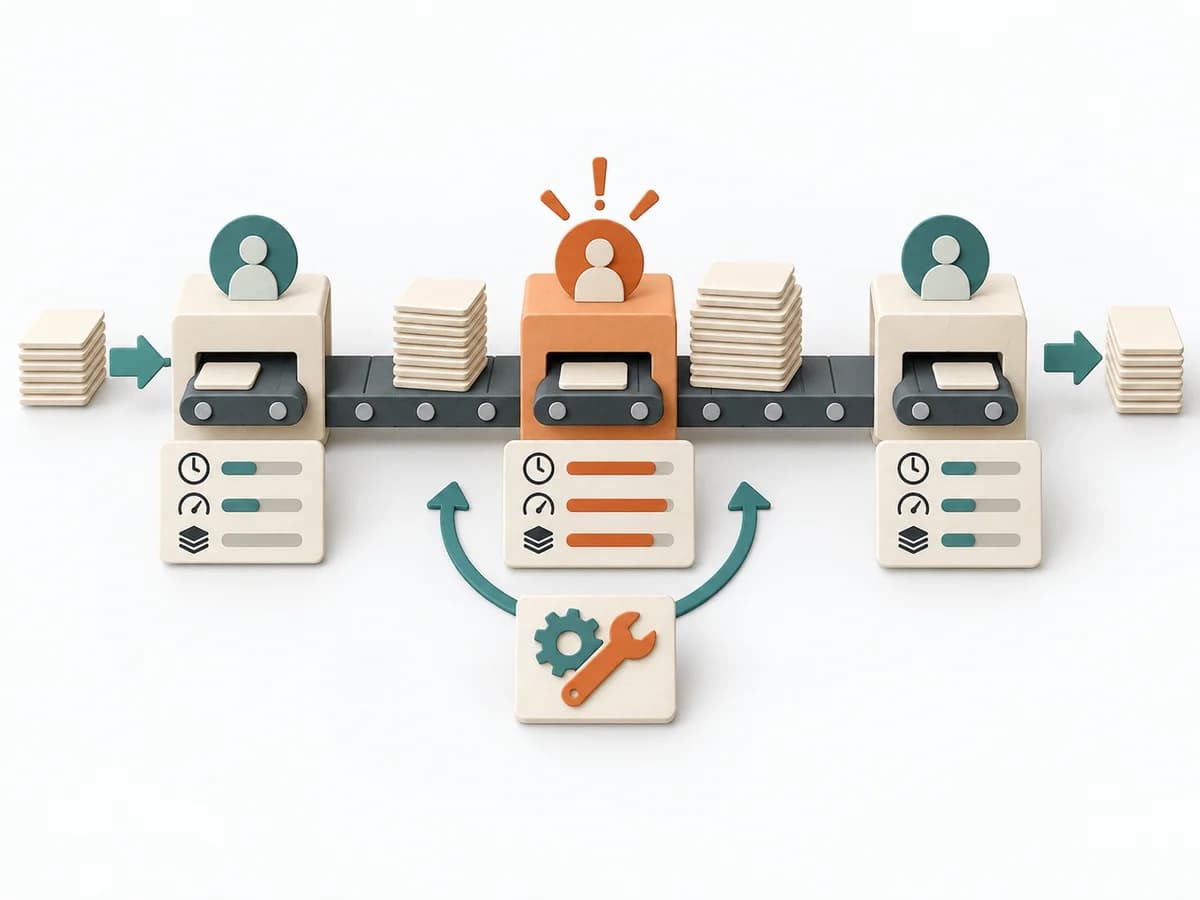
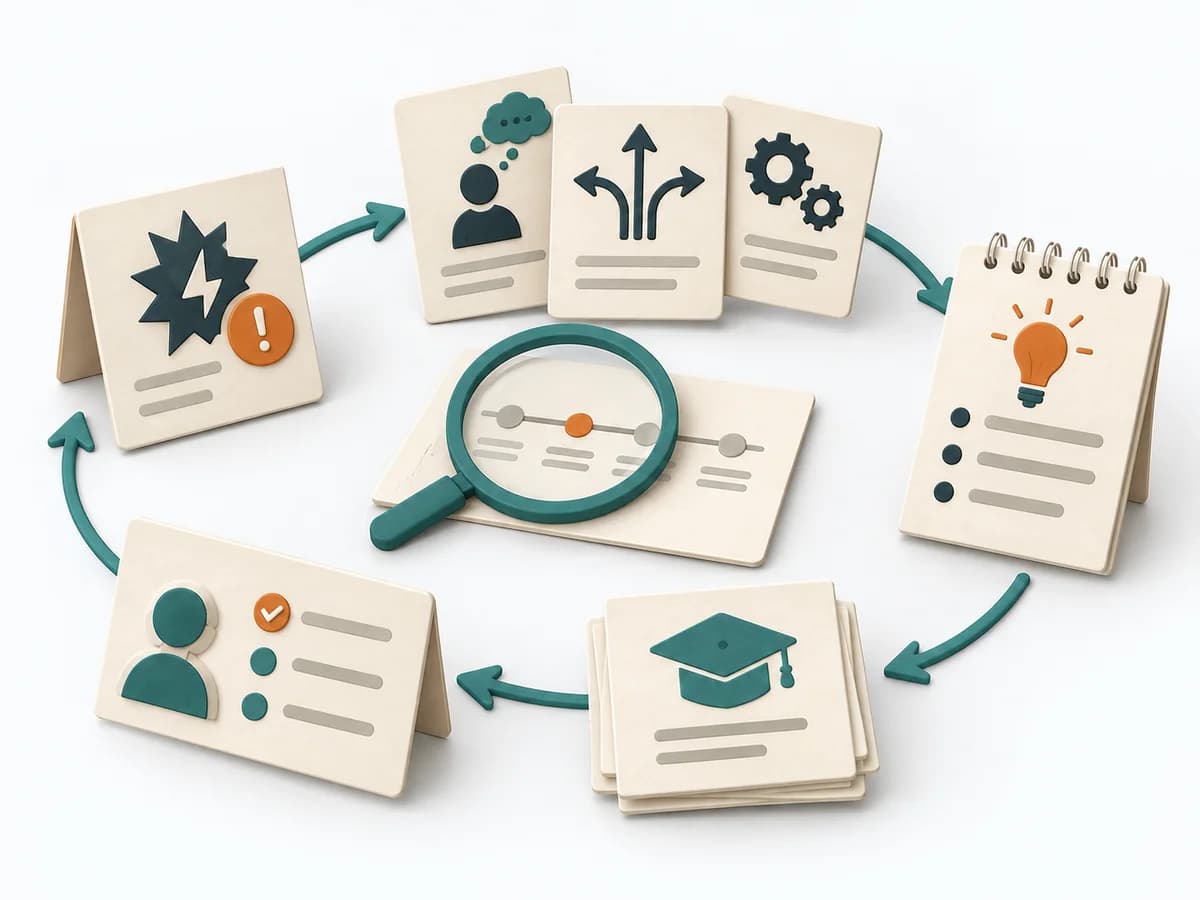
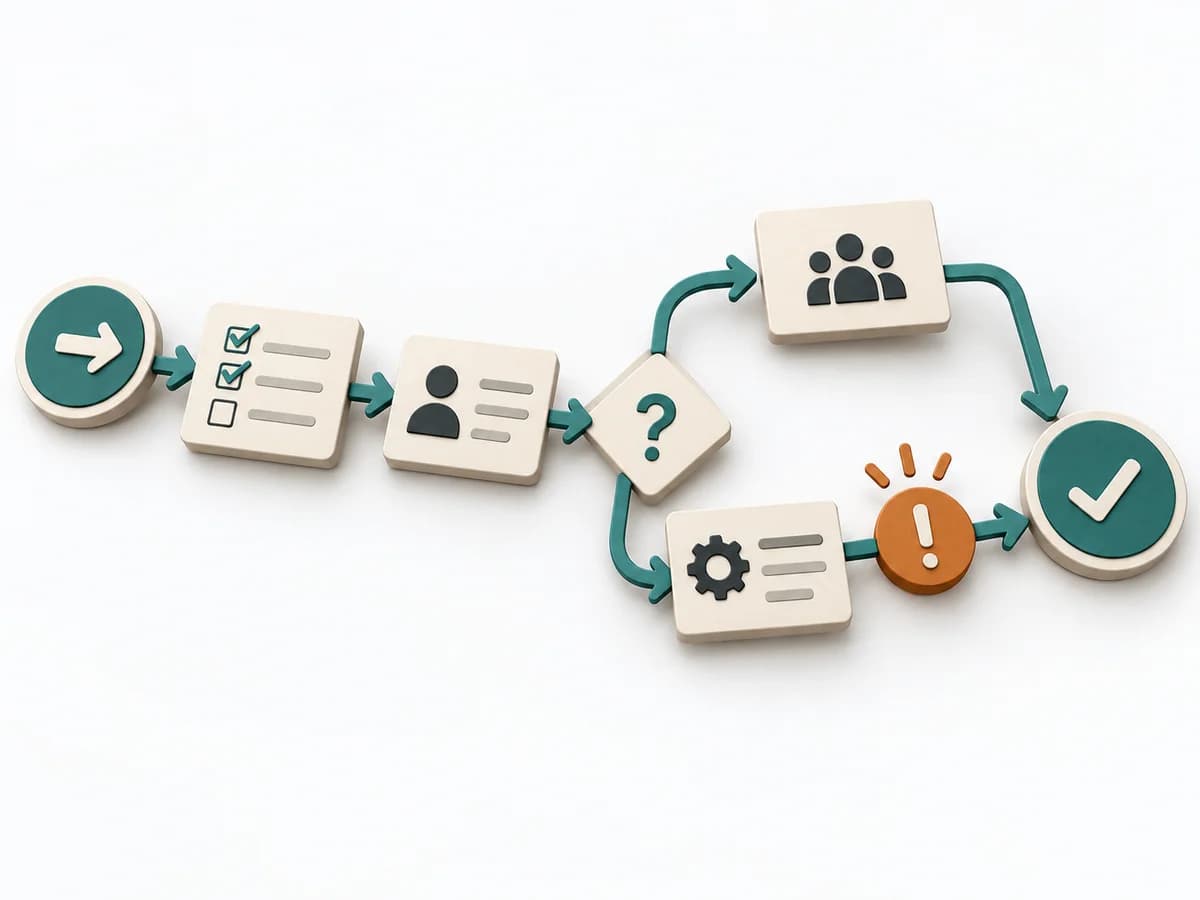
Purposedifferent | The Futures Wheel helps explore the consequences of a decision, a trend, or a strategic move in a structured way. It makes visible which first, second, and third-order effects could arise from an event. | For a system that does not get faster despite effort, the method directs attention to the bottleneck. It concentrates improvement on the point that actually limits throughput. | After missions or project phases with unclear outcomes, the method makes visible what actually happened and what can be learned from it. It separates course, effect, and causes so experience turns into solid improvement. |
Complexitydifferent | Medium | High | Low |
Timedifferent | 60-120 min | 2-4 h Analyse, laufend | 20-45 min |
Participantsdifferent | 3-10 | 3-12 | 3-12 |
Formatsame | Workshop + async | Workshop + async | Workshop + async |
Outputdifferent | Futures Wheel, Consequence Chains, Strategic Signals | Constraint Map, Improvement Plan, Flow Metrics | Lessons learned, Action items, Event summary |
Tagsno overlap | ForesightSystems thinkingSignals | OperationsConstraintsFlowImprovement | LearningOperationsImprovement |
Often compared together
Methods with strong topical overlap with the current selection, not yet in the comparison.