View methods side by side.
Choose up to four methods. Add them using the search and share the comparison by copying its link.
| Criterion | 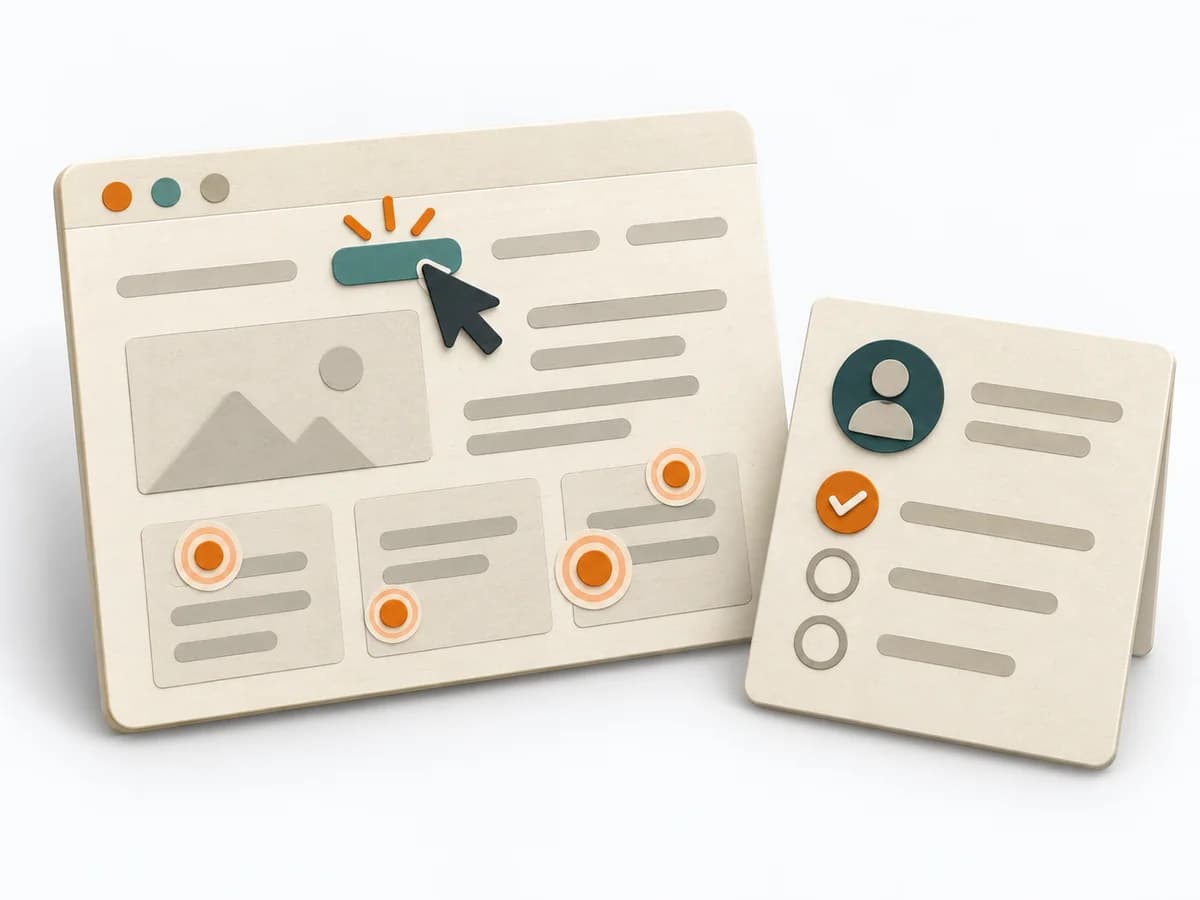 UX Research First-click Testing | 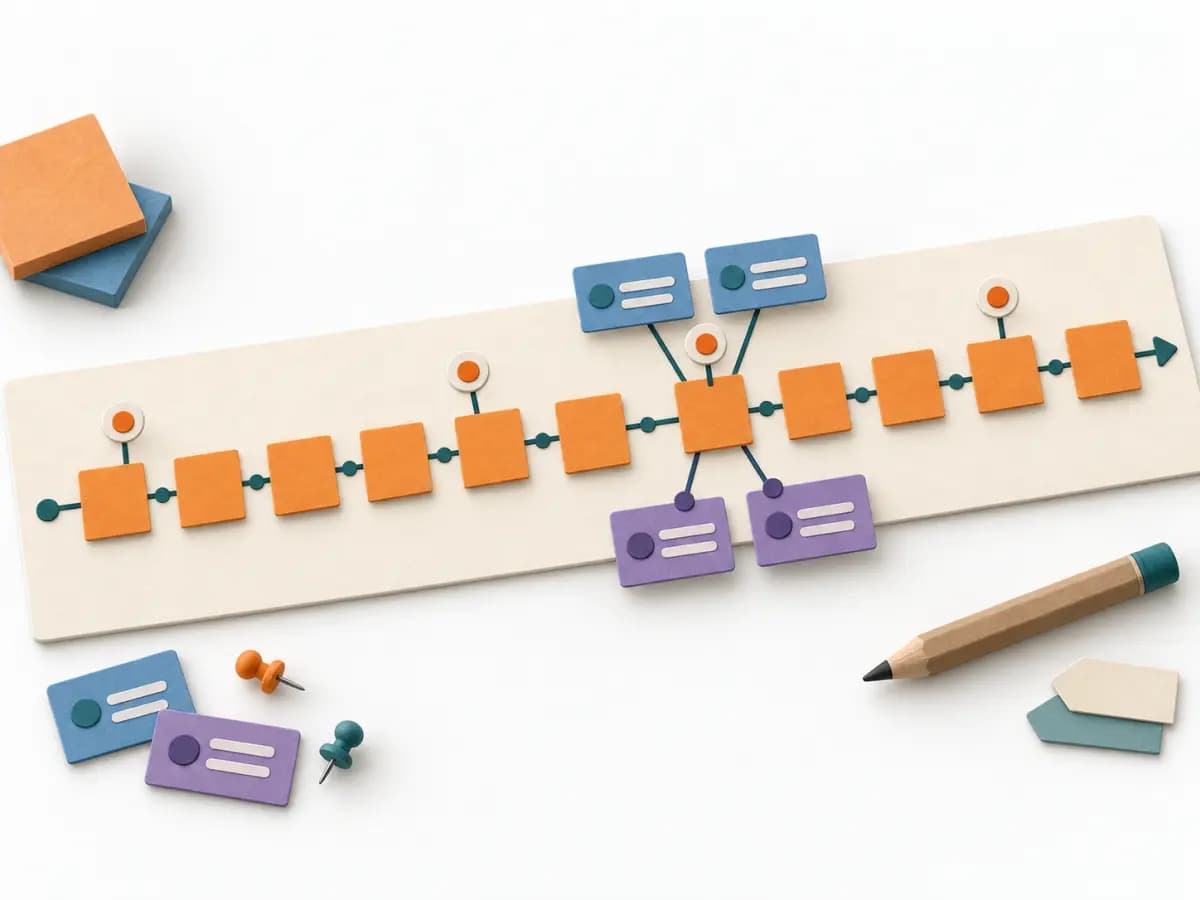 Domain Modeling EventStorming | 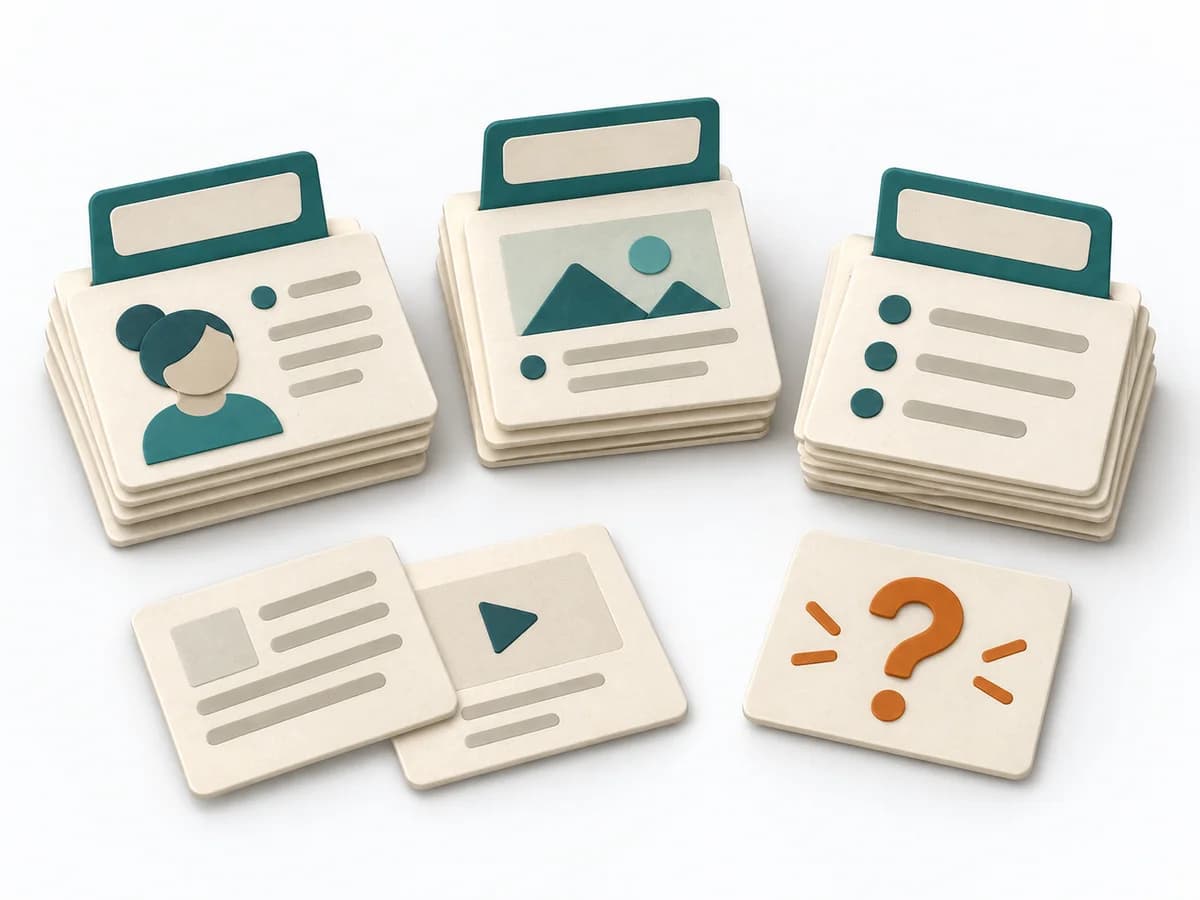 UX Research Card Sorting |
|---|---|---|---|
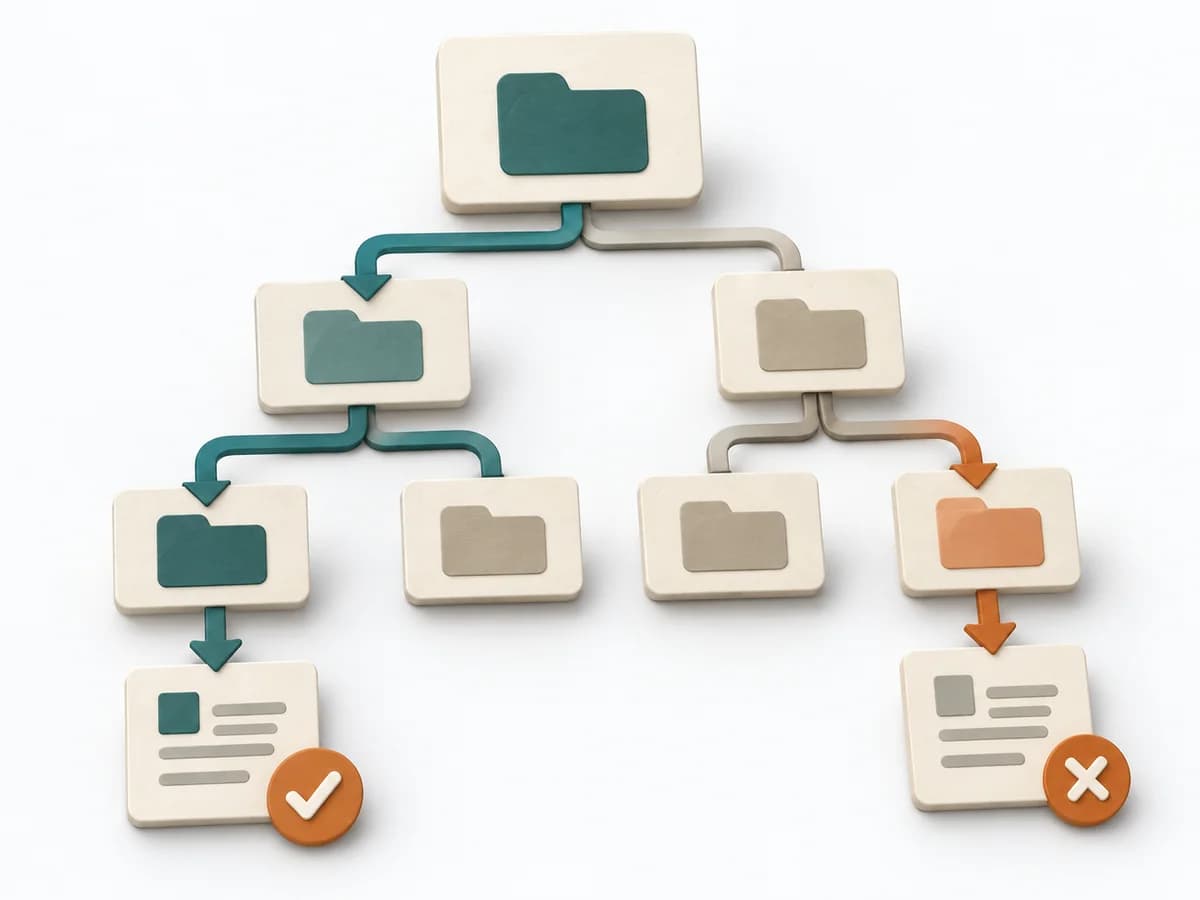
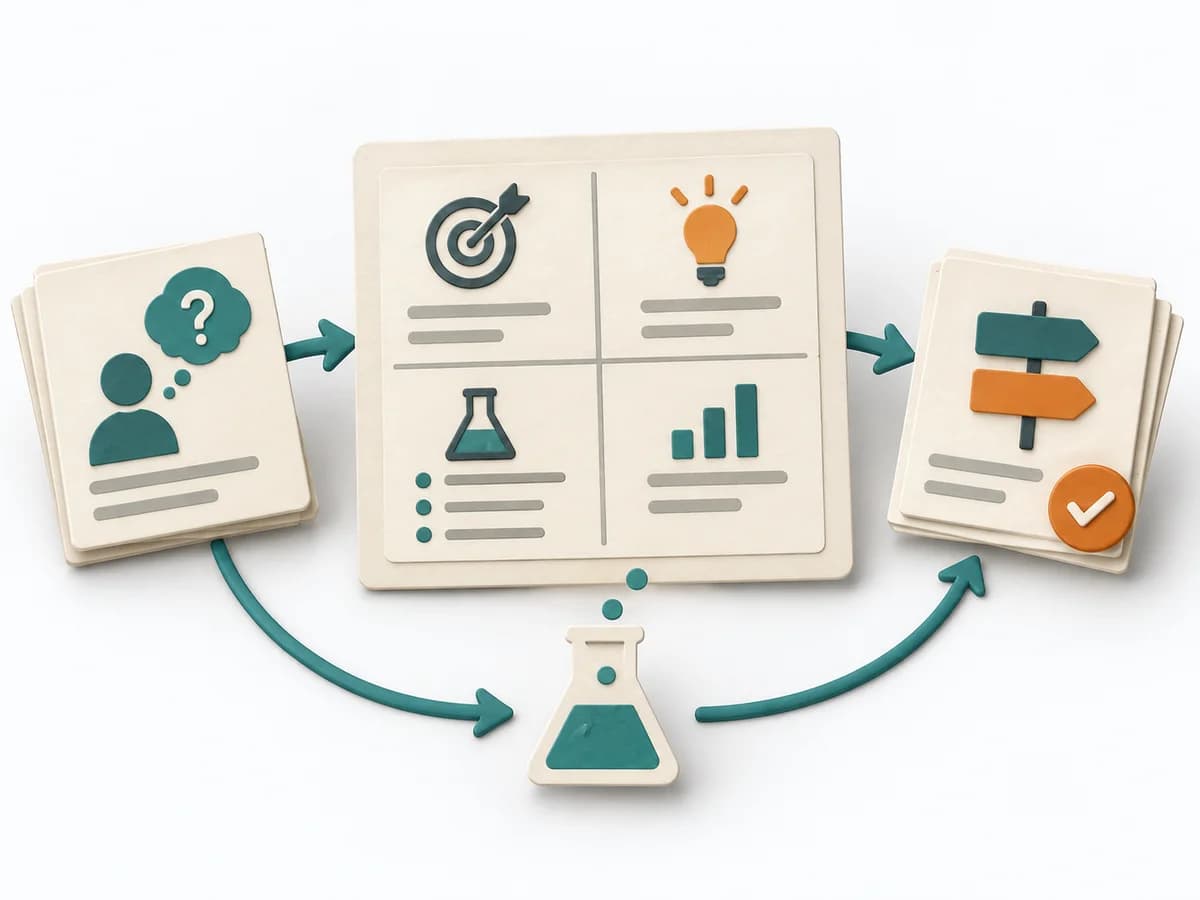
Purposedifferent | When users immediately turn the wrong way on a screen or wireframe, first click testing checks initial orientation at high speed. The first click shows early whether expectation, labeling, and wayfinding fit together. | When a domain consists of many events, rules, and states, it creates a shared modeling space for the team. It bundles language, flows, and boundaries before domain knowledge fragments into siloed views. | When content only makes sense internally and users can't find the structure again, card sorting exposes their mental order. Terms, groups, and naming are then aligned with the target group's expectations. |
Complexitydifferent | Low | Medium | Low |
Timedifferent | 1-2 Tage | 2-8 h | 20-45 min |
Participantsdifferent | 10-30 | 5-12 | Based on research question |
Formatdifferent | Async | Workshop | Workshop + async |
Outputdifferent | Click Heatmap, Success Rate, Design Recommendations | Event Timeline, Ubiquitous Language, Boundaries, Open Questions | Content groups, Label set, IA hypotheses |
Tagsno overlap | UXNavigationFindabilityValidation | Domain-Driven DesignEventsDiscoveryWorkshop | Information architectureNavigationStructure |
Often compared together
Methods with strong topical overlap with the current selection, not yet in the comparison.