View methods side by side.
Choose up to four methods. Add them using the search and share the comparison by copying its link.
| Criterion | 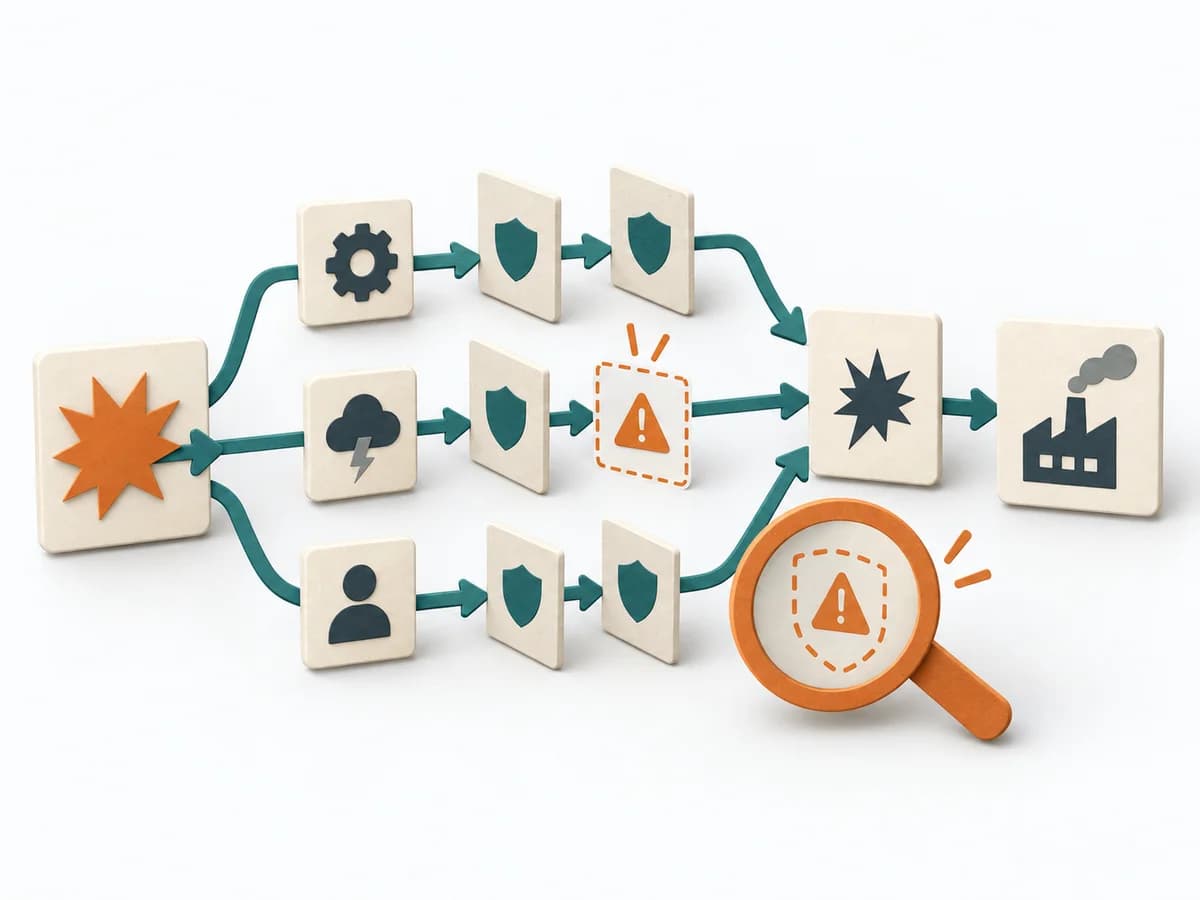 Engineering Failure Scenario Analysis | 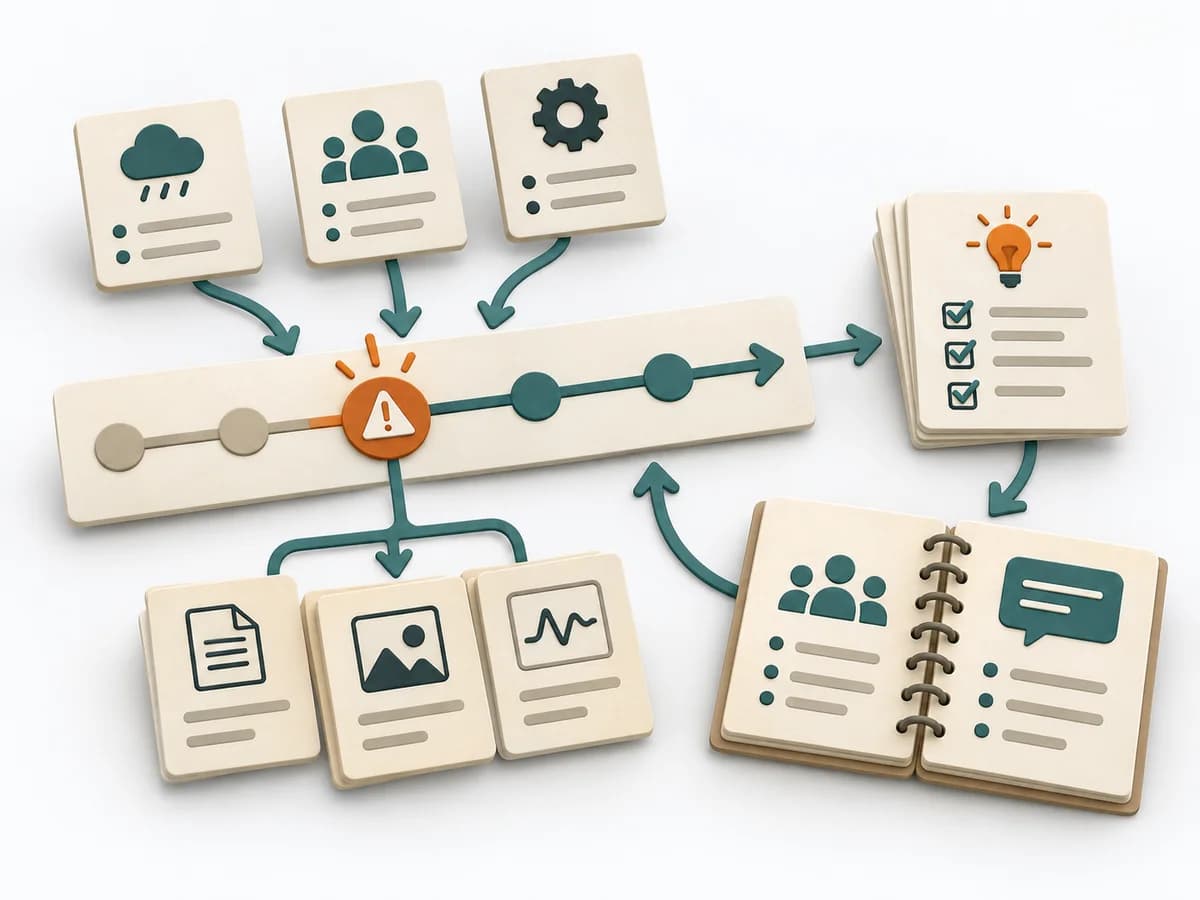 DevOps Blameless Postmortem | 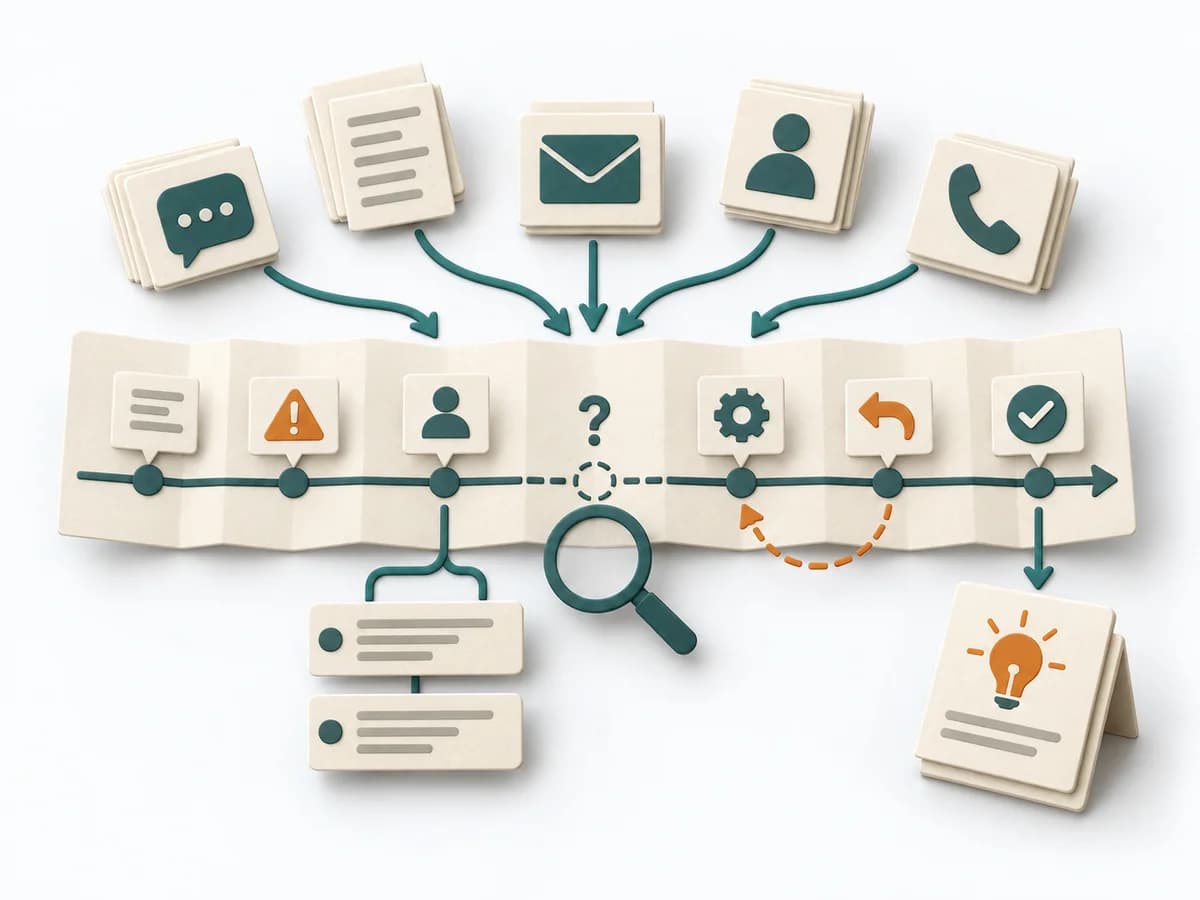 DevOps Incident Timeline Analysis |
|---|---|---|---|
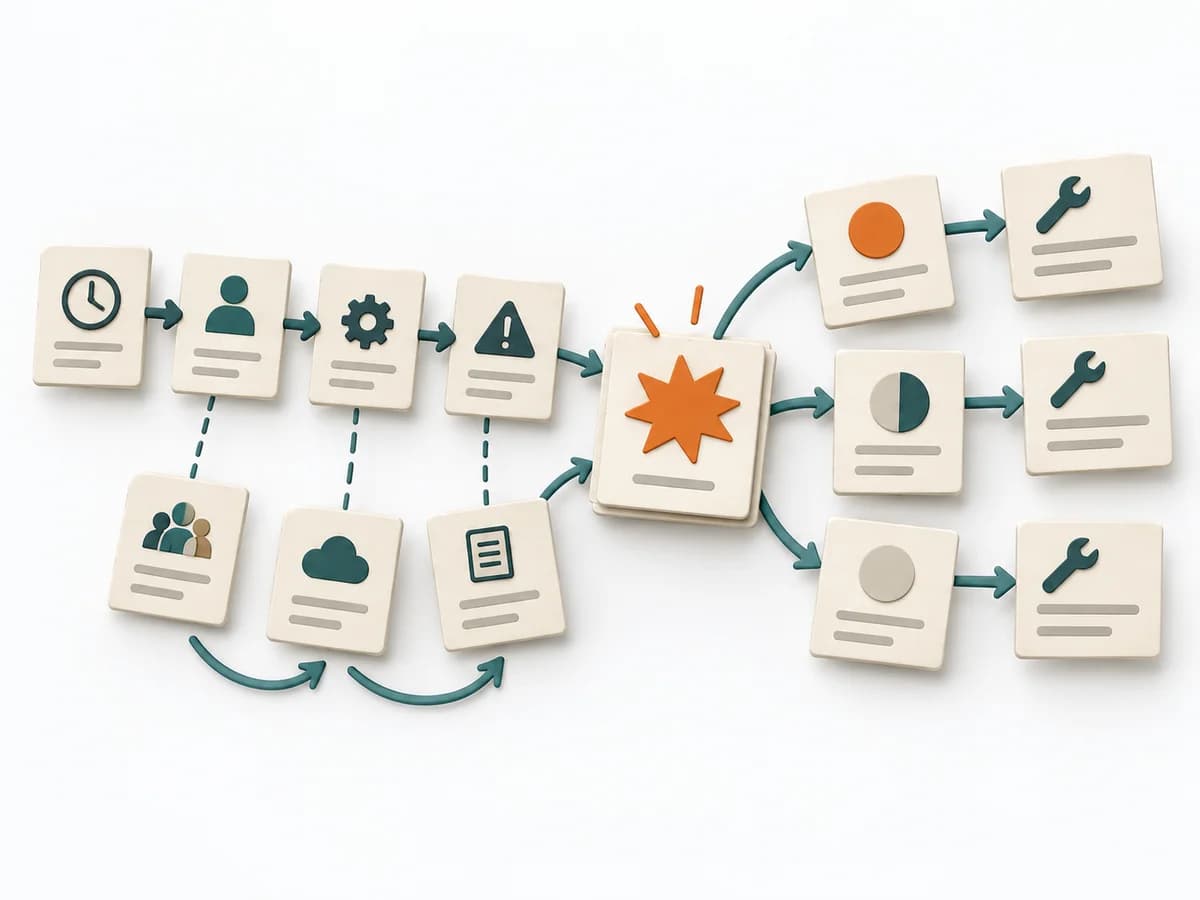
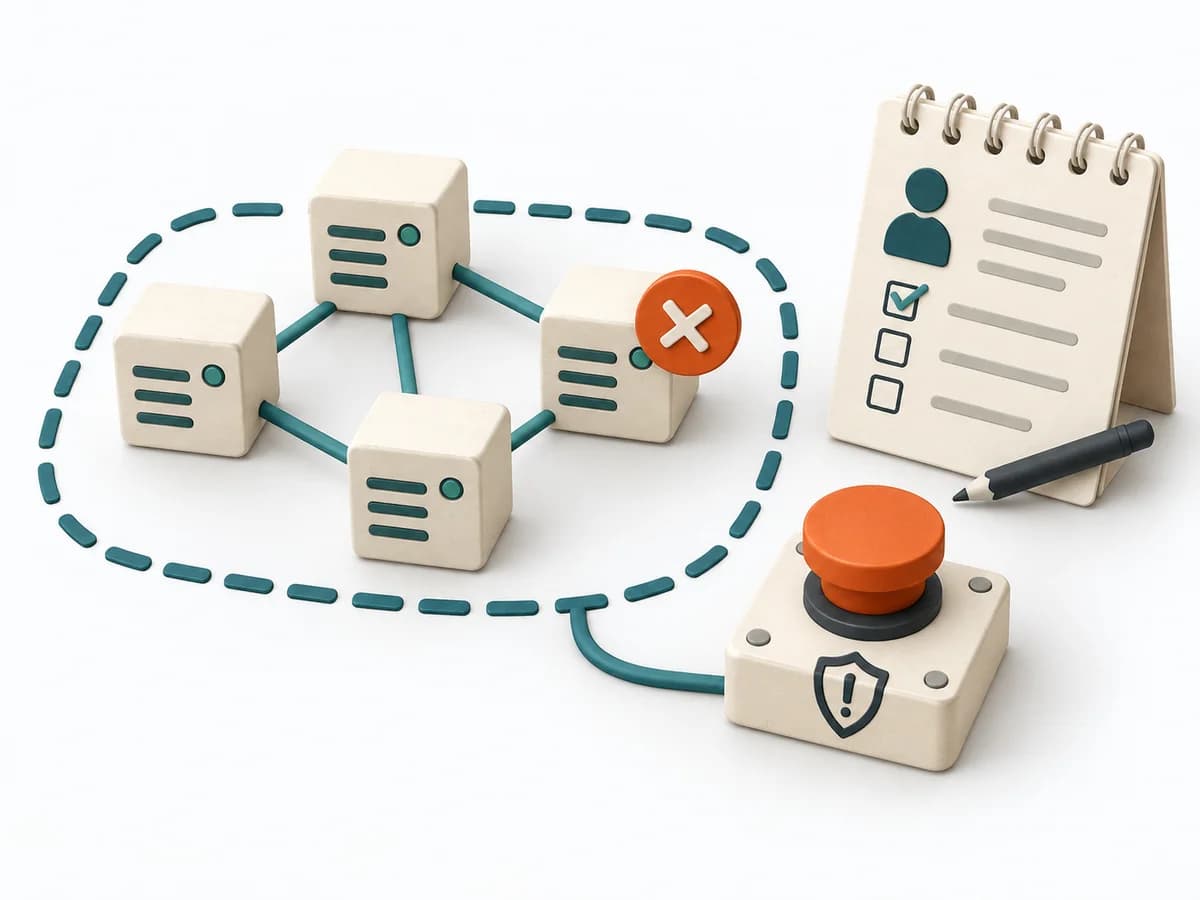
Purposedifferent | In critical processes, it is not enough to plan only for the normal case. Failure Scenario Analysis looks at the path into failure and shows which failures, chains, and control gaps cause the most damage. | After an incident with damage or a near miss, the method creates a sober field for learning without assigning blame. It directs attention to the course of events, conditions, and effective countermeasures. | For an incident with an unclear sequence, the method makes the timeline precisely visible. It separates perception, reaction, and delay so cause and effect become more clearly readable. |
Complexitysame | Medium | Medium | Medium |
Timedifferent | 1-3 h | 30-90 min | 60-180 min |
Participantsdifferent | 3-8 | 3-12 | 3-10 |
Formatdifferent | Workshop | Workshop + async | Workshop + async |
Outputdifferent | Failure Scenarios, Risk Notes, Control Gaps, Test and Response Actions | Postmortem Doc, Action Items, Timeline | Incident Timeline, Evidence Log, Delay Analysis, Improvement Actions |
Tagsno overlap | FailureResilienceRisk | Site Reliability EngineeringIncidentLearningReliability | IncidentTimelineSite Reliability Engineering |
Often compared together
Methods with strong topical overlap with the current selection, not yet in the comparison.