View methods side by side.
Choose up to four methods. Add them using the search and share the comparison by copying its link.
| Criterion | 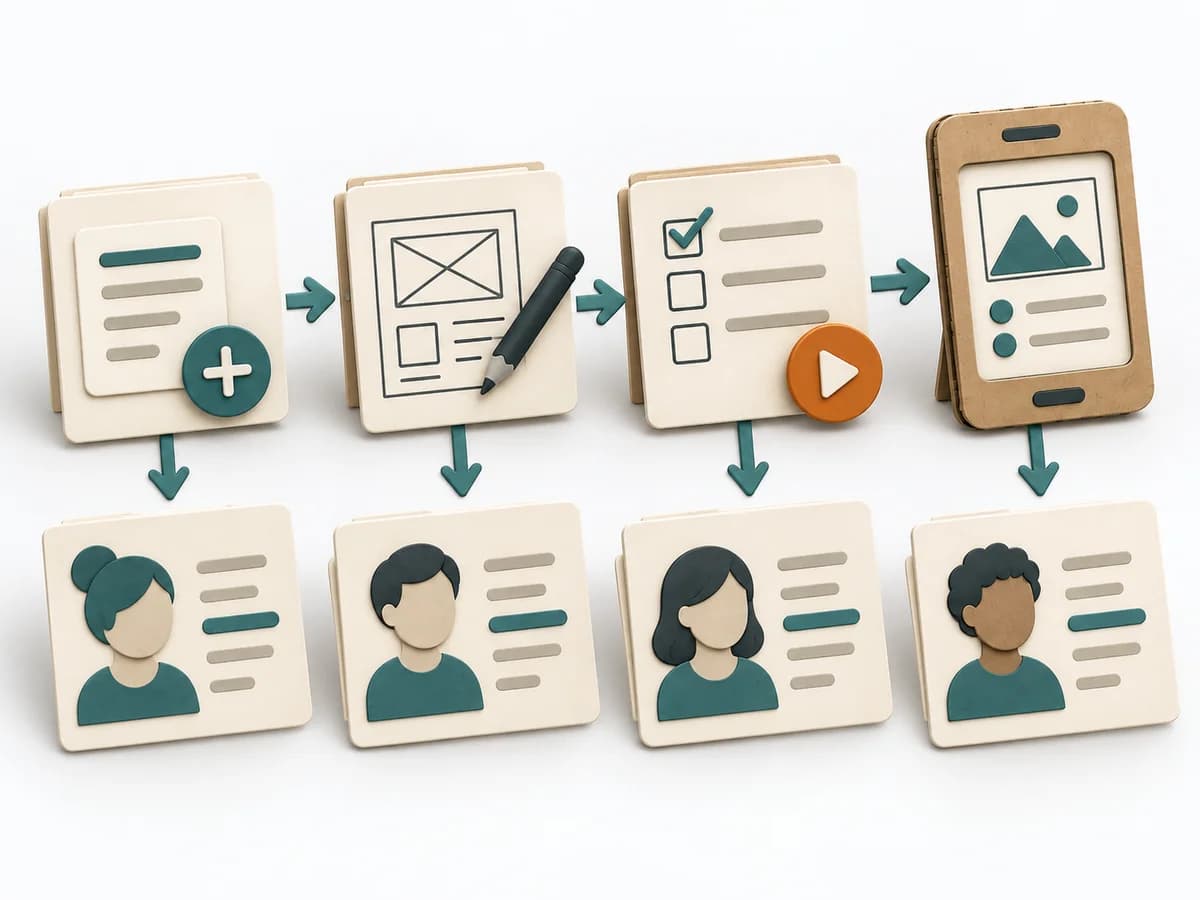 Knowledge Modeling Event Modeling | 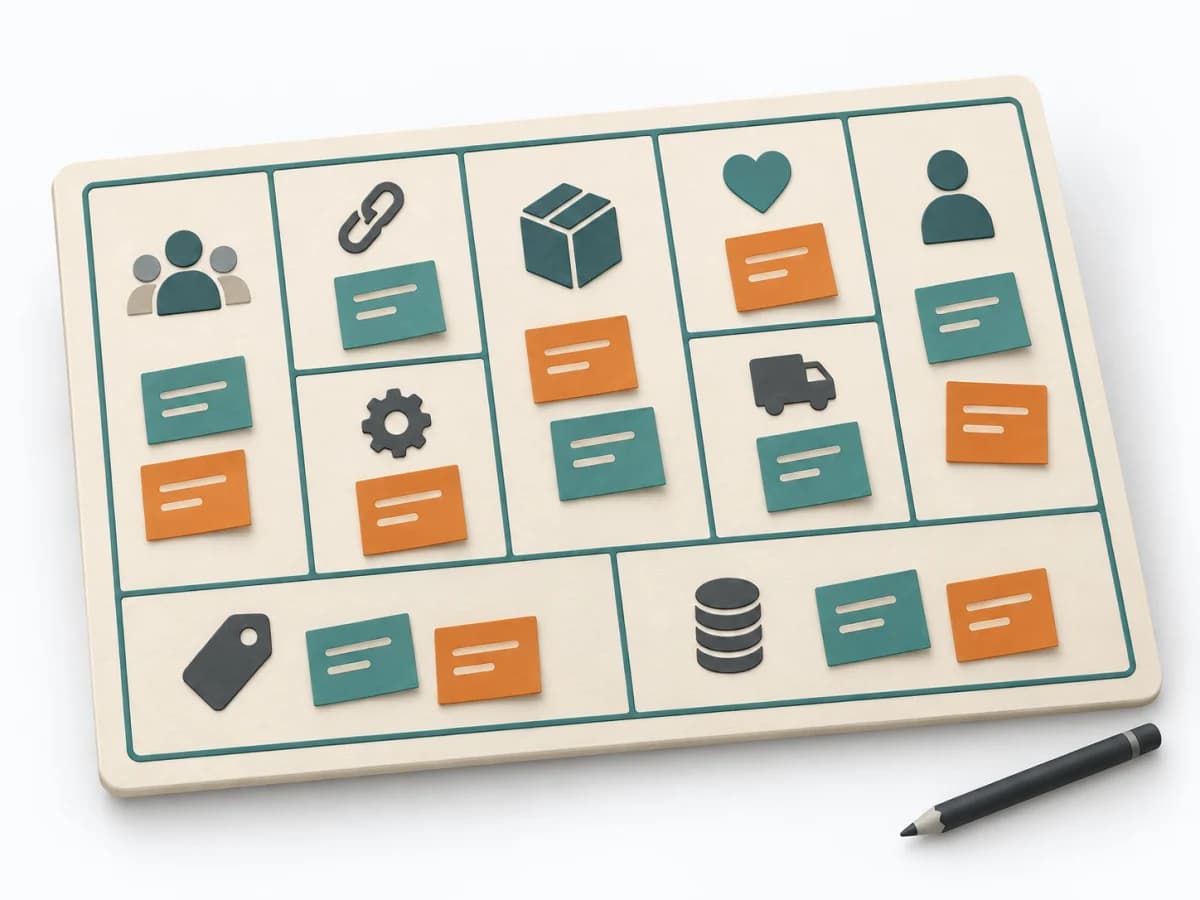 Business Strategy Business Model Canvas |
|---|---|---|
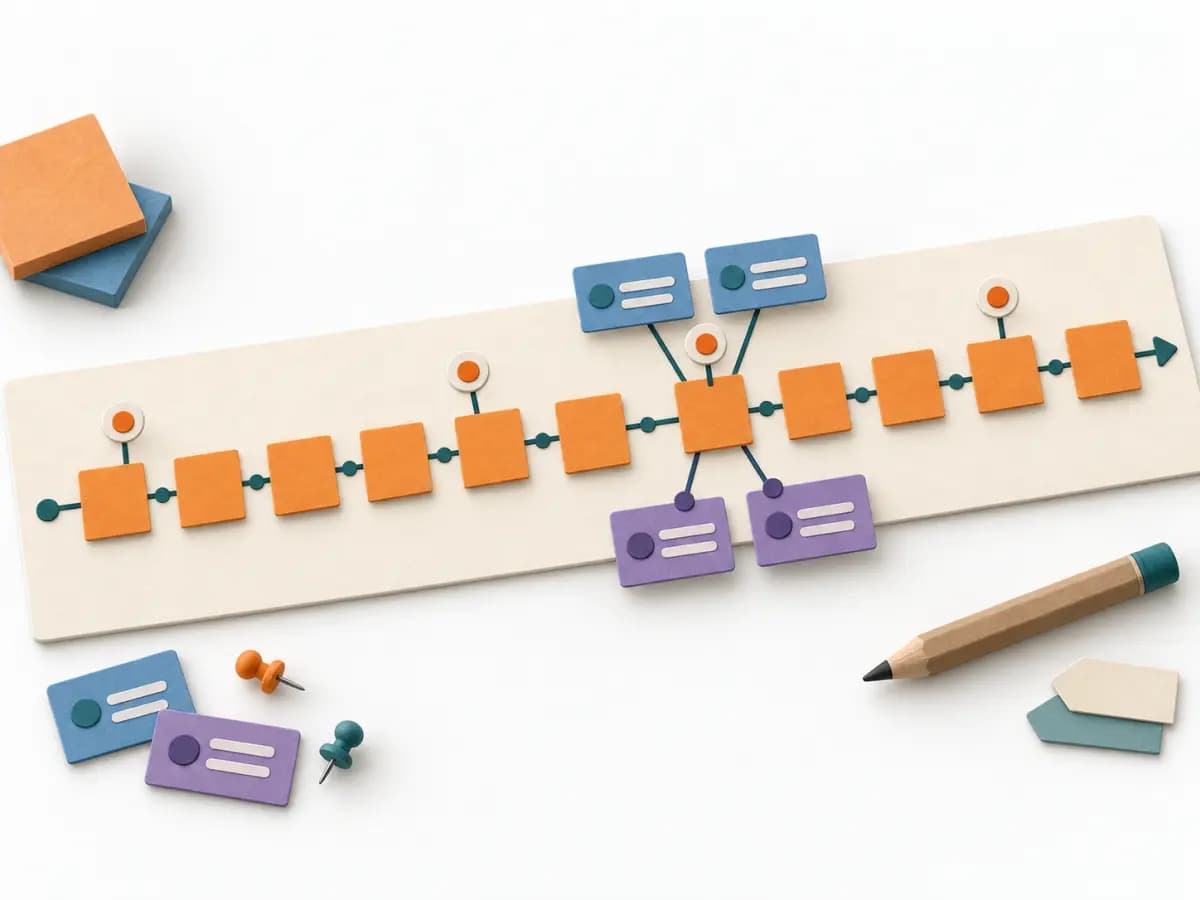
Purposedifferent | Event Modeling connects business workflows with commands, events, and views into one coherent mental model. It helps design behavior, UI, and technical slices from the same underlying logic. | The Business Model Canvas condenses a business model to its key building blocks and assumptions. It makes variants quickly comparable and reveals gaps before validation or implementation begins. |
Complexitysame | Medium | Medium |
Timedifferent | 2-6 h | 1-2 h |
Participantssame | 2-8 | 2-8 |
Formatsame | Workshop + async | Workshop + async |
Outputdifferent | Event Model, UI Flow, Commands, Read Models | Business Model Canvas, Assumption List, Business Hypotheses |
Tagsno overlap | EventsBlueprintDomain-Driven DesignBehavior | Business modelStrategyValueInnovation |
Often compared together
Methods with strong topical overlap with the current selection, not yet in the comparison.