View methods side by side.
Choose up to four methods. Add them using the search and share the comparison by copying its link.
| Criterion | 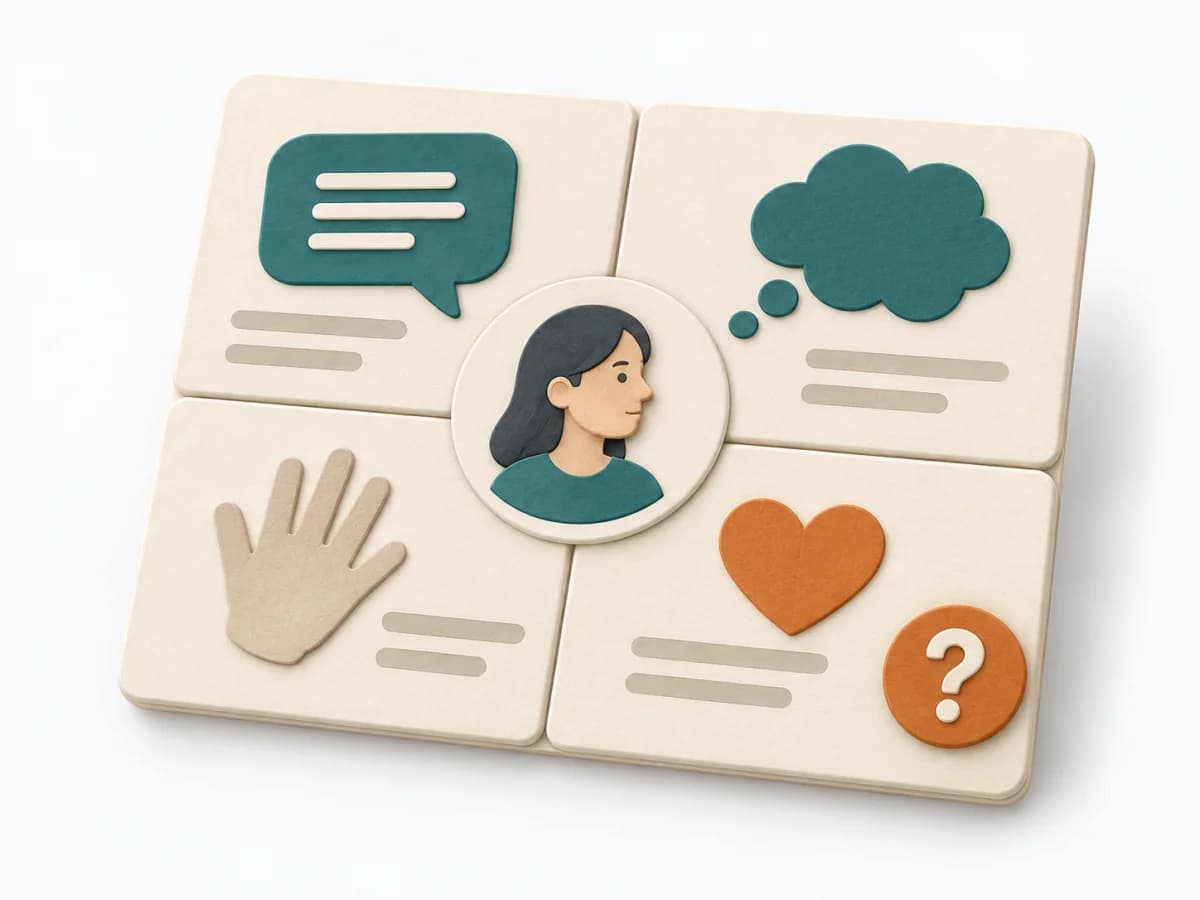 UX Research Empathy Mapping | 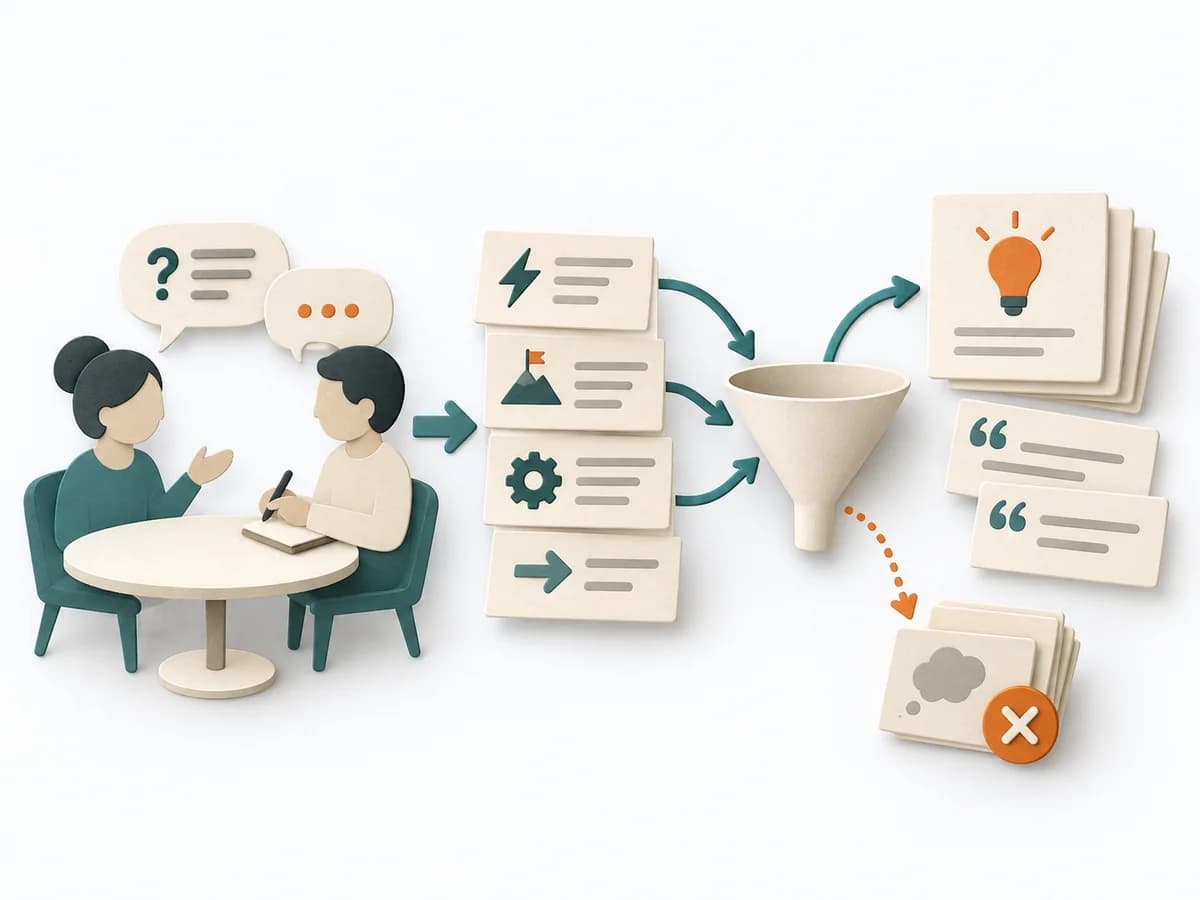 Product Discovery Opportunity Interview | 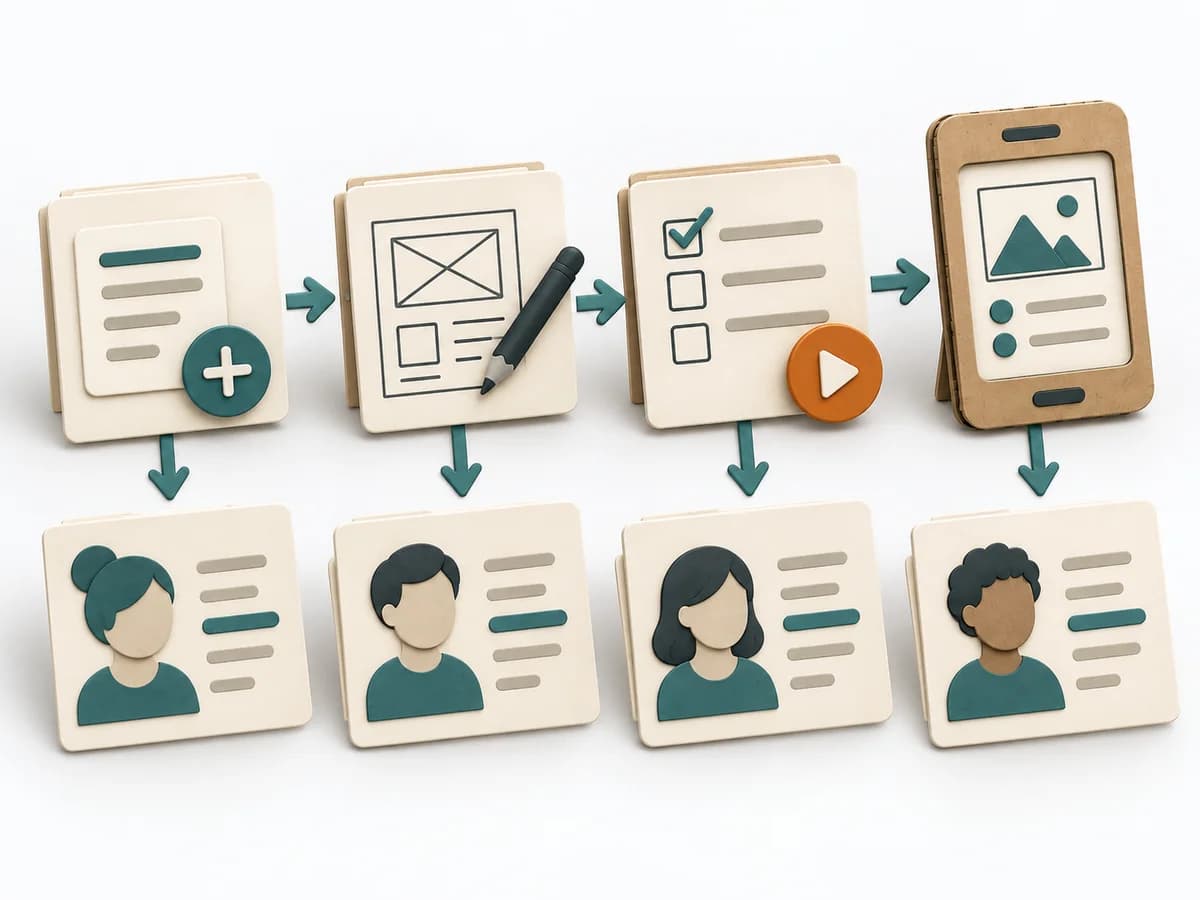 Knowledge Modeling Event Modeling |
|---|---|---|---|
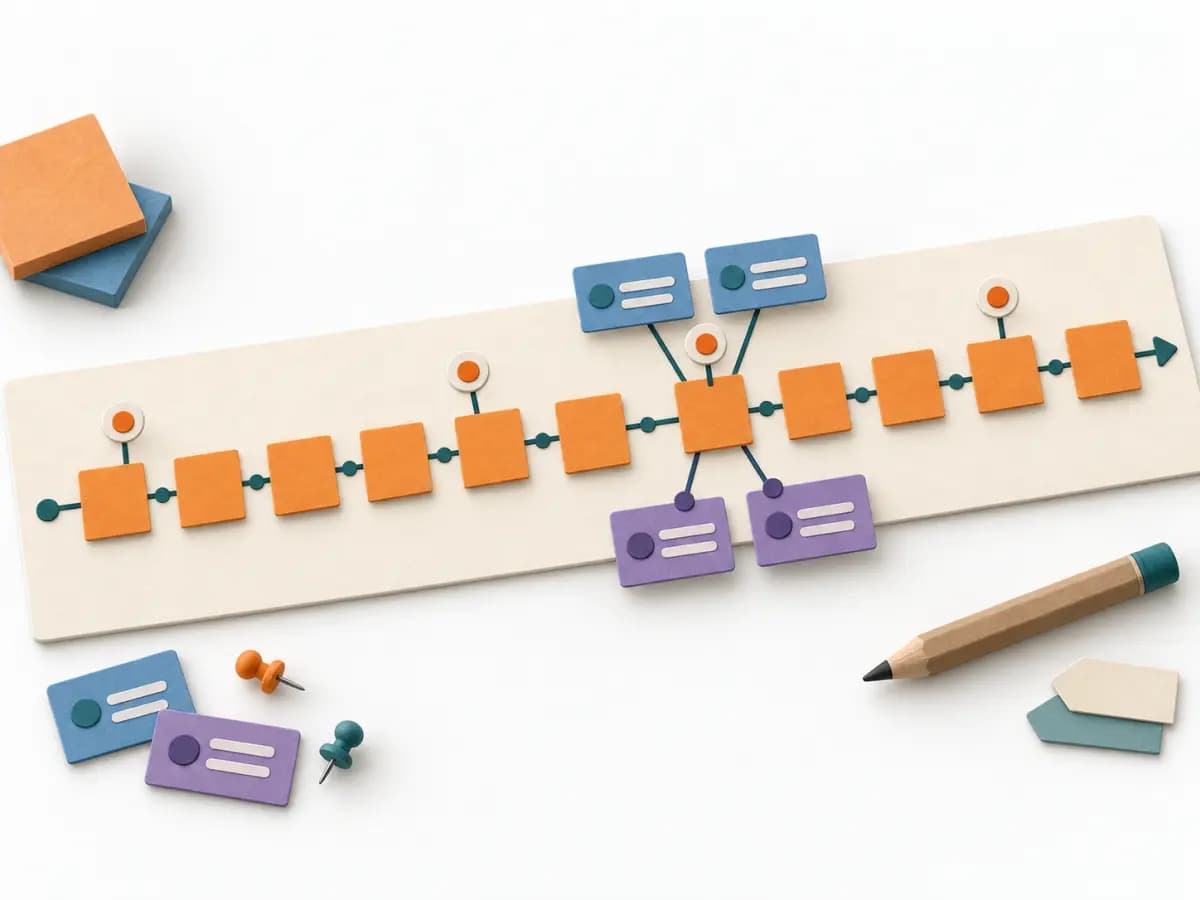
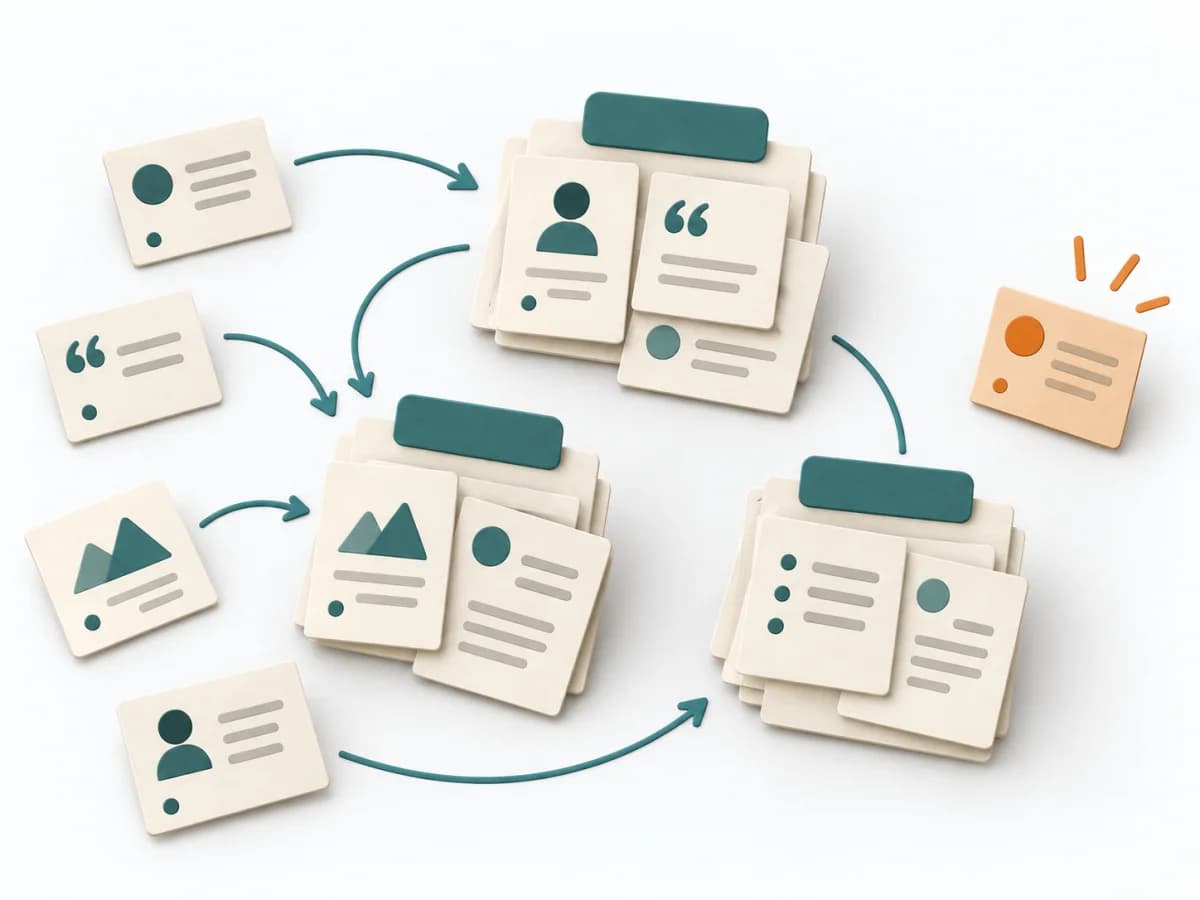
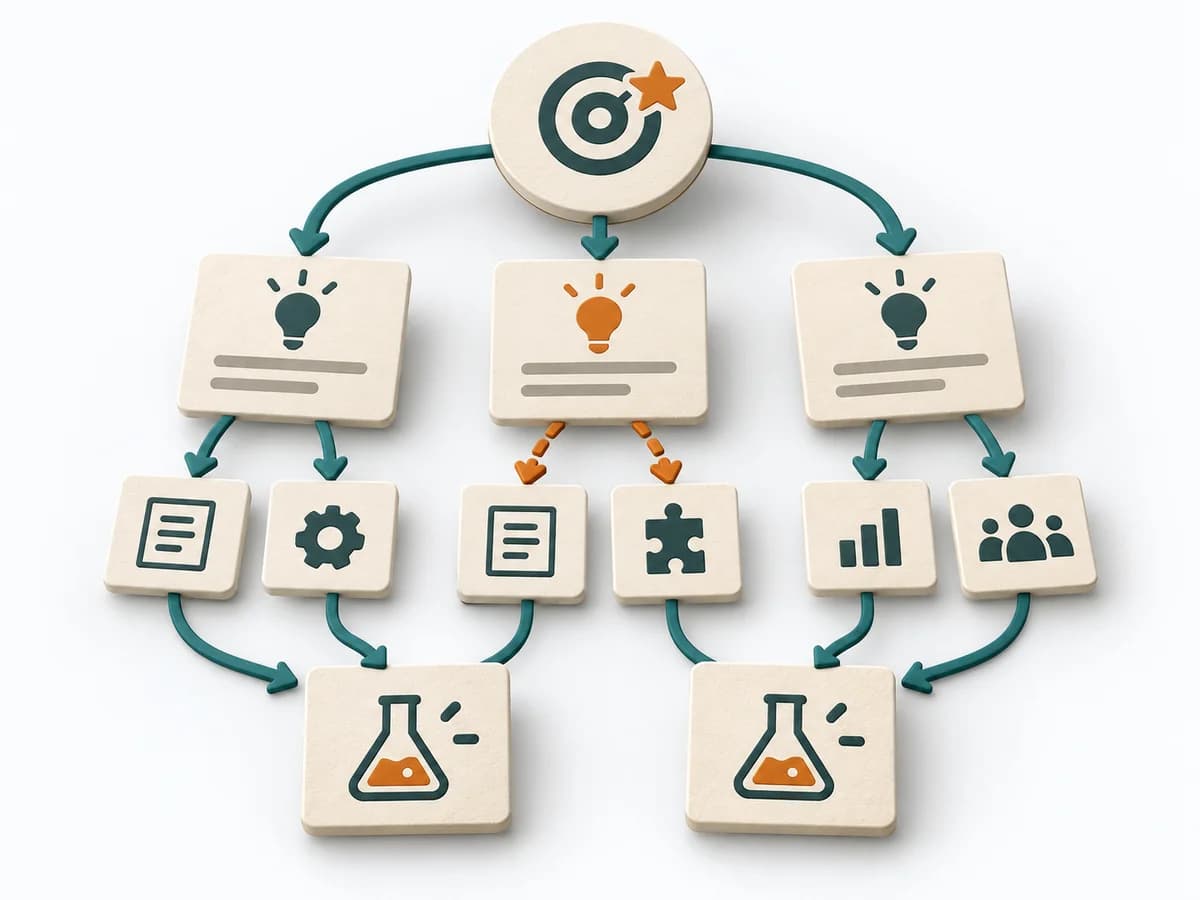
Purposedifferent | When a lot is assumed about a target group but little is seen jointly, empathy mapping makes knowledge and gaps directly comparable. The picture also shows which assumptions hold up and where evidence is missing. | When opportunities are still hidden behind signals of need, it structures conversations around needs and obstacles. It looks for patterns that lead to new product opportunities. | Event Modeling connects business workflows with commands, events, and views into one coherent mental model. It helps design behavior, UI, and technical slices from the same underlying logic. |
Complexitydifferent | Low | Medium | Medium |
Timedifferent | 30–60 min | 30-60 min je Interview | 2-6 h |
Participantsdifferent | 4-8 | 5-12 Interviews | 2-8 |
Formatdifferent | Workshop | Workshop + async | Workshop + async |
Outputdifferent | Empathy Map, Assumptions List, Research Gaps | Interview Notes, Opportunity Themes, Customer Quotes | Event Model, UI Flow, Commands, Read Models |
Tagsno overlap | SynthesisQualitativeWorkshop | DiscoveryInterviewsOpportunityCustomer | EventsBlueprintDomain-Driven DesignBehavior |
Often compared together
Methods with strong topical overlap with the current selection, not yet in the comparison.