View methods side by side.
Choose up to four methods. Add them using the search and share the comparison by copying its link.
| Criterion | 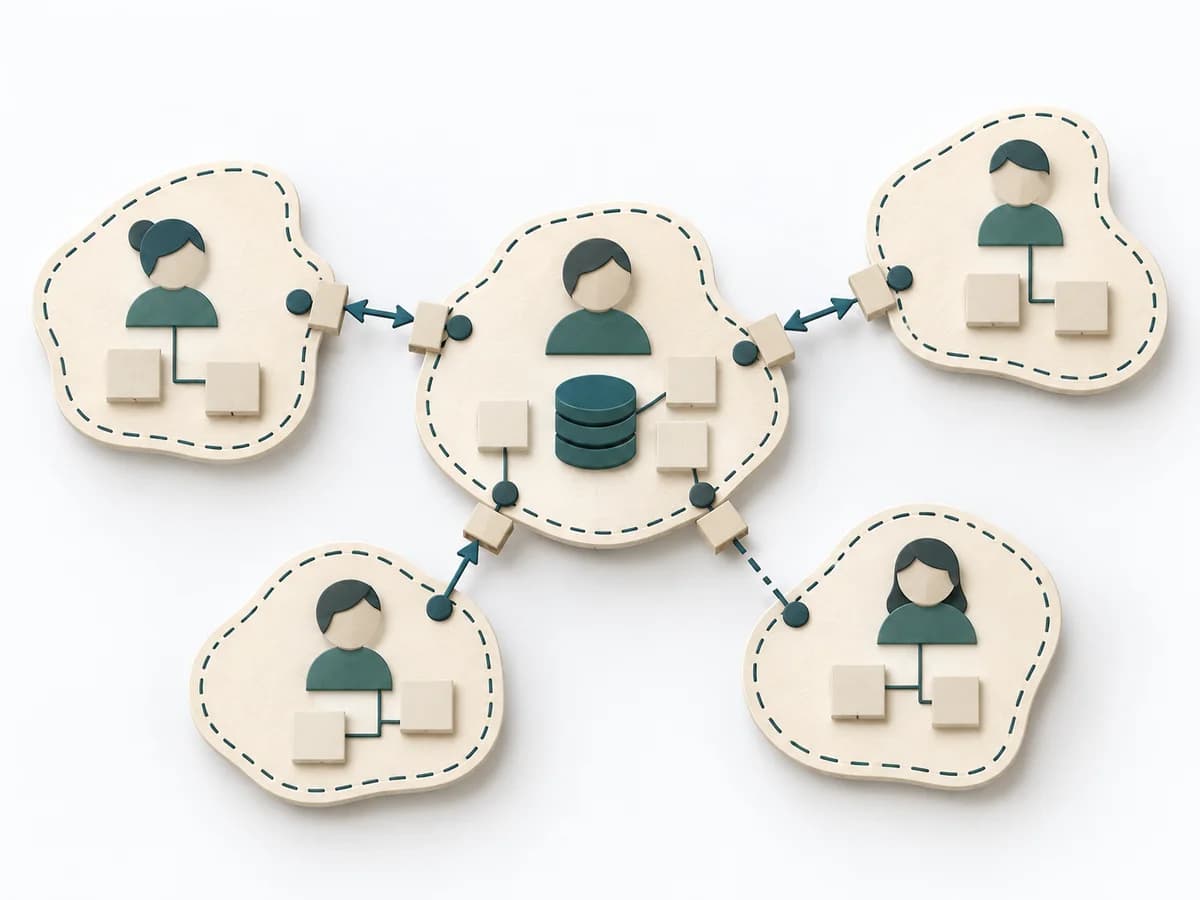 Domain Modeling Domain Context Map |  Systems Thinking Systems Mapping |  Facilitation Stakeholder Salience Model |
|---|---|---|---|
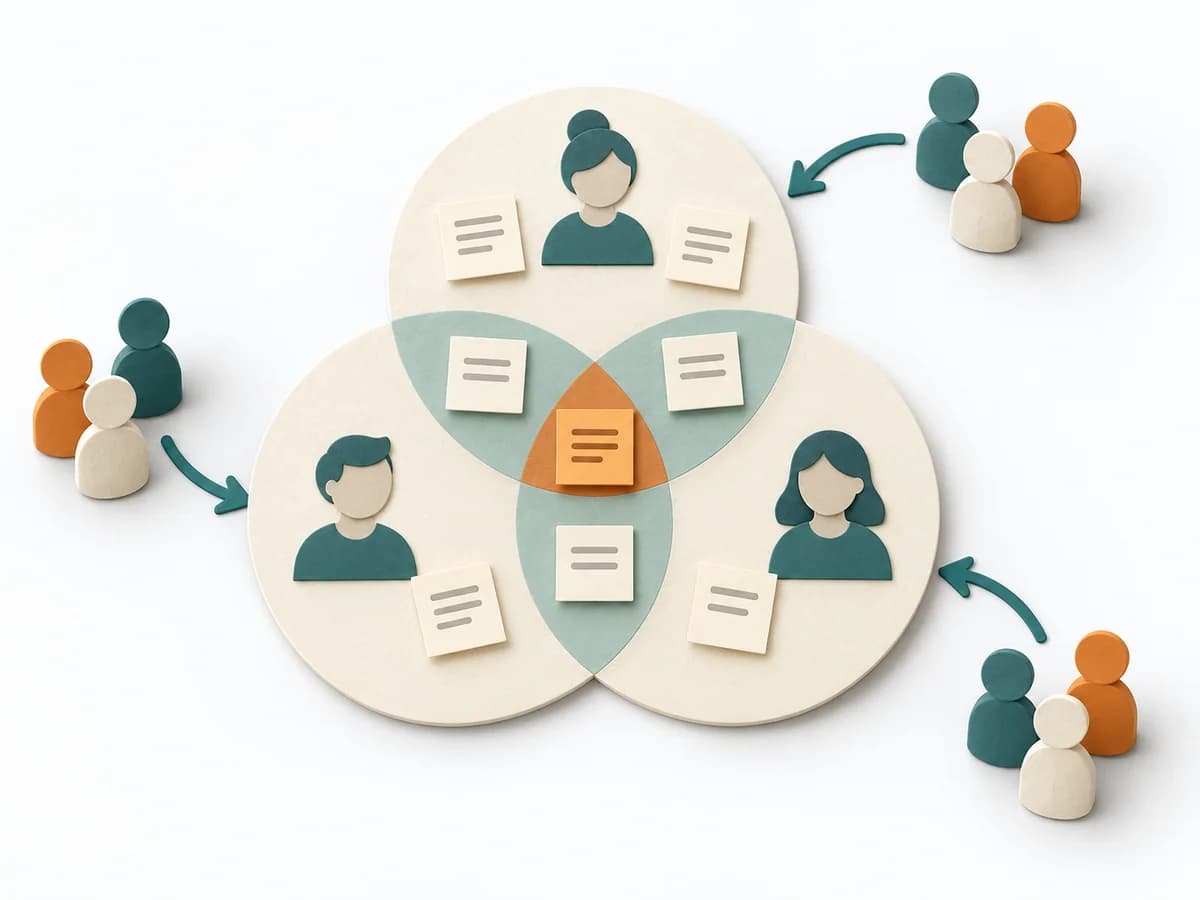
Purposedifferent | When a domain model and its associated contexts need to be thought through together, it creates a shared overview. It connects the business view and organizational boundary into a readable whole. | Systems Mapping arranges elements, relationships, and boundaries so a complex field becomes legible at a glance. The overview stabilizes the overall picture before detail work or steering begins. | When stakeholders appear to matter very differently, the Stakeholder Salience Model rates their actual priority through power, legitimacy, and urgency. It turns individual contributions into a visible selection. The result is captured as a Salience diagram and a class-based strategy. |
Complexitysame | Medium | Medium | Medium |
Timedifferent | 1-3 h | 1-3 h | 60-90 min |
Participantsdifferent | 3-10 | 3-12 | 3-6 |
Formatdifferent | Workshop | Workshop + async | Workshop |
Outputdifferent | Domain Context Map, Boundary Notes, Ownership Map | System Map, Dependencies, Leverage Points | Salience Diagram, Strategy per Class |
Tagsno overlap | Domain-Driven DesignContextBoundaries | Systems thinkingMappingBoundariesChange | StakeholdersFacilitationAlignmentGovernance |
Often compared together
Methods with strong topical overlap with the current selection, not yet in the comparison.