View methods side by side.
Choose up to four methods. Add them using the search and share the comparison by copying its link.
| Criterion | 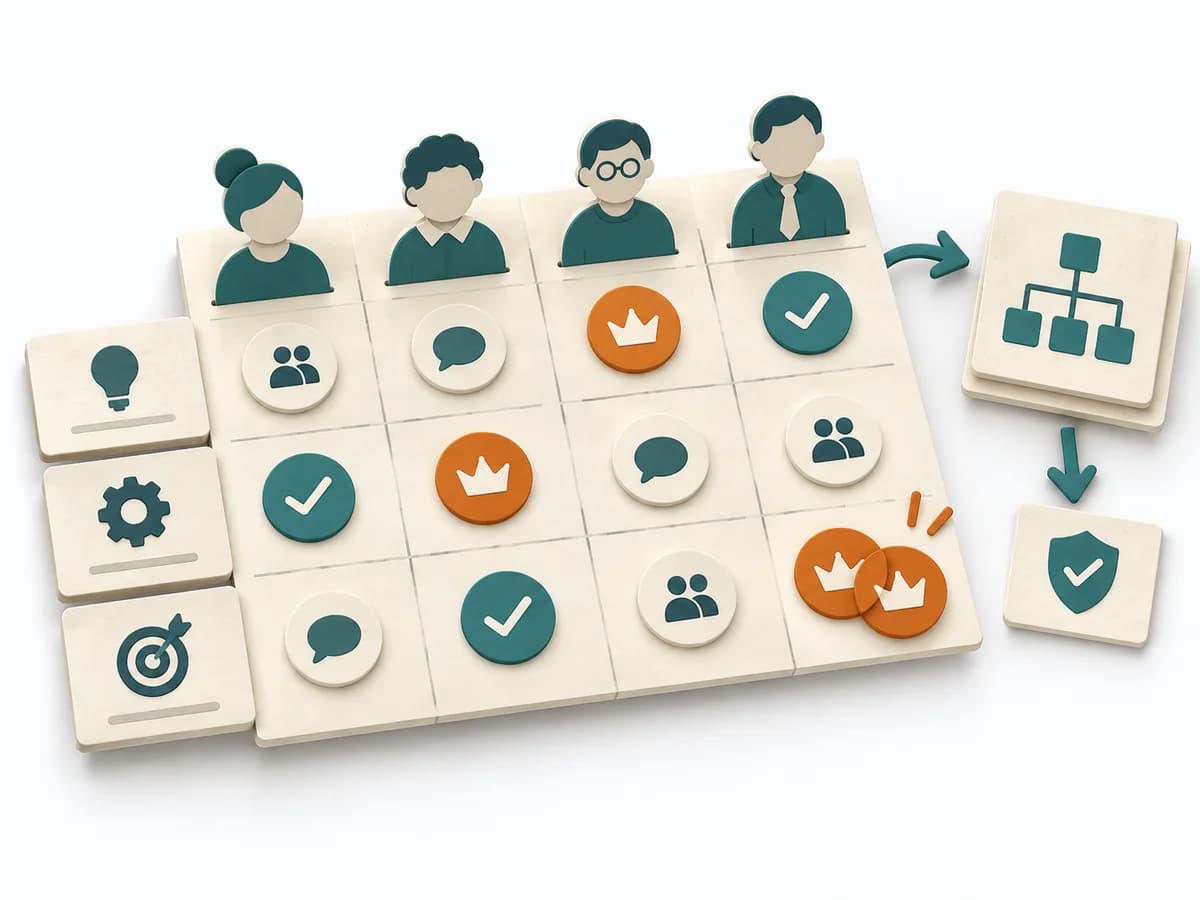 Decision Making Decision Rights Mapping | 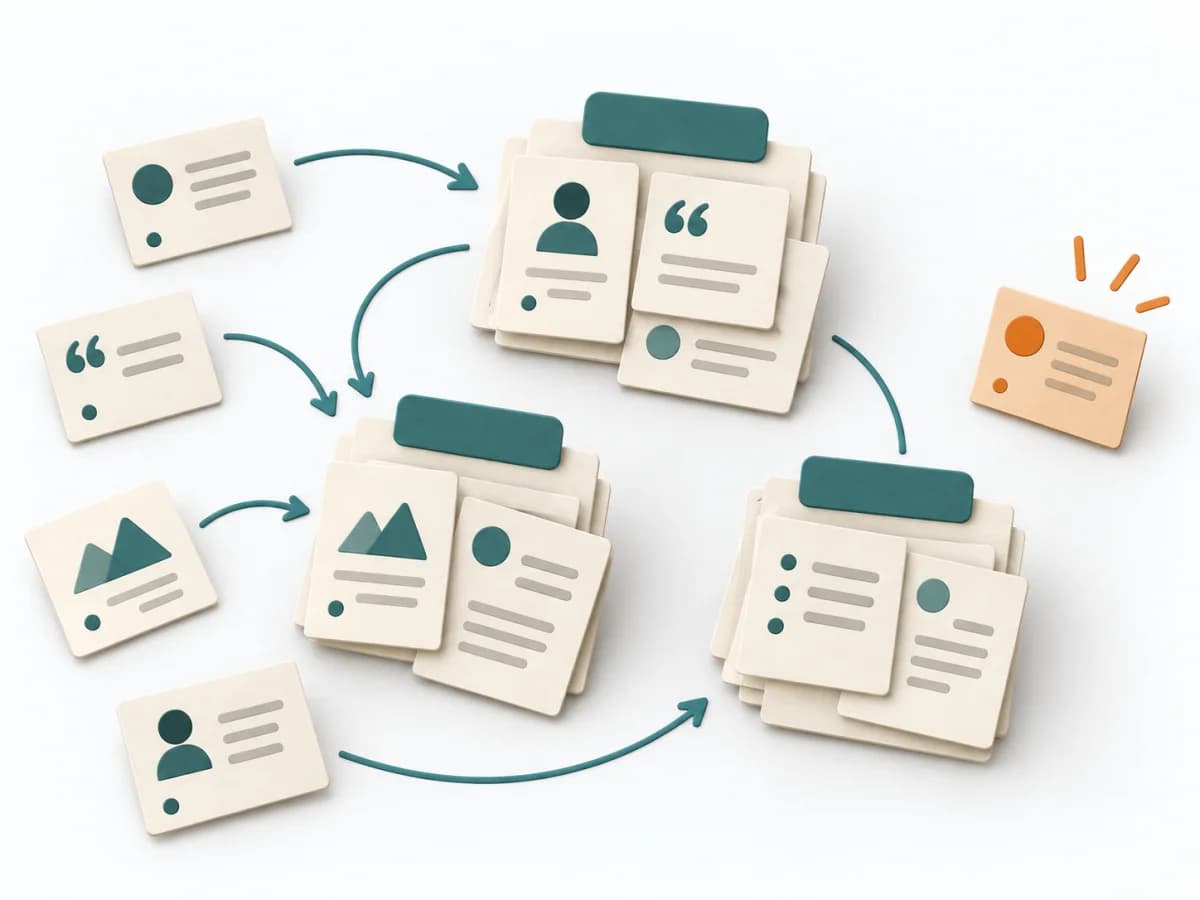 UX Research Affinity Diagramming |  UX Research Empathy Mapping |
|---|---|---|---|
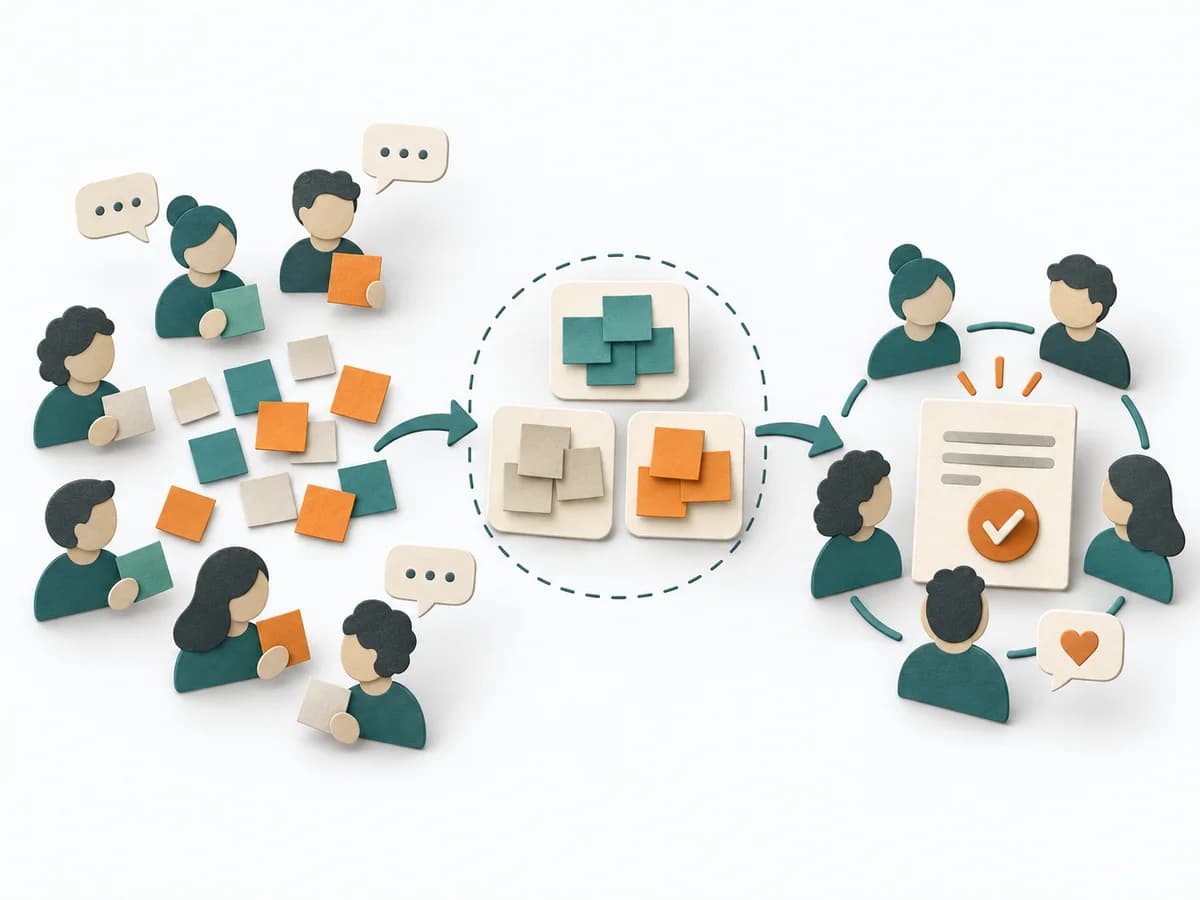
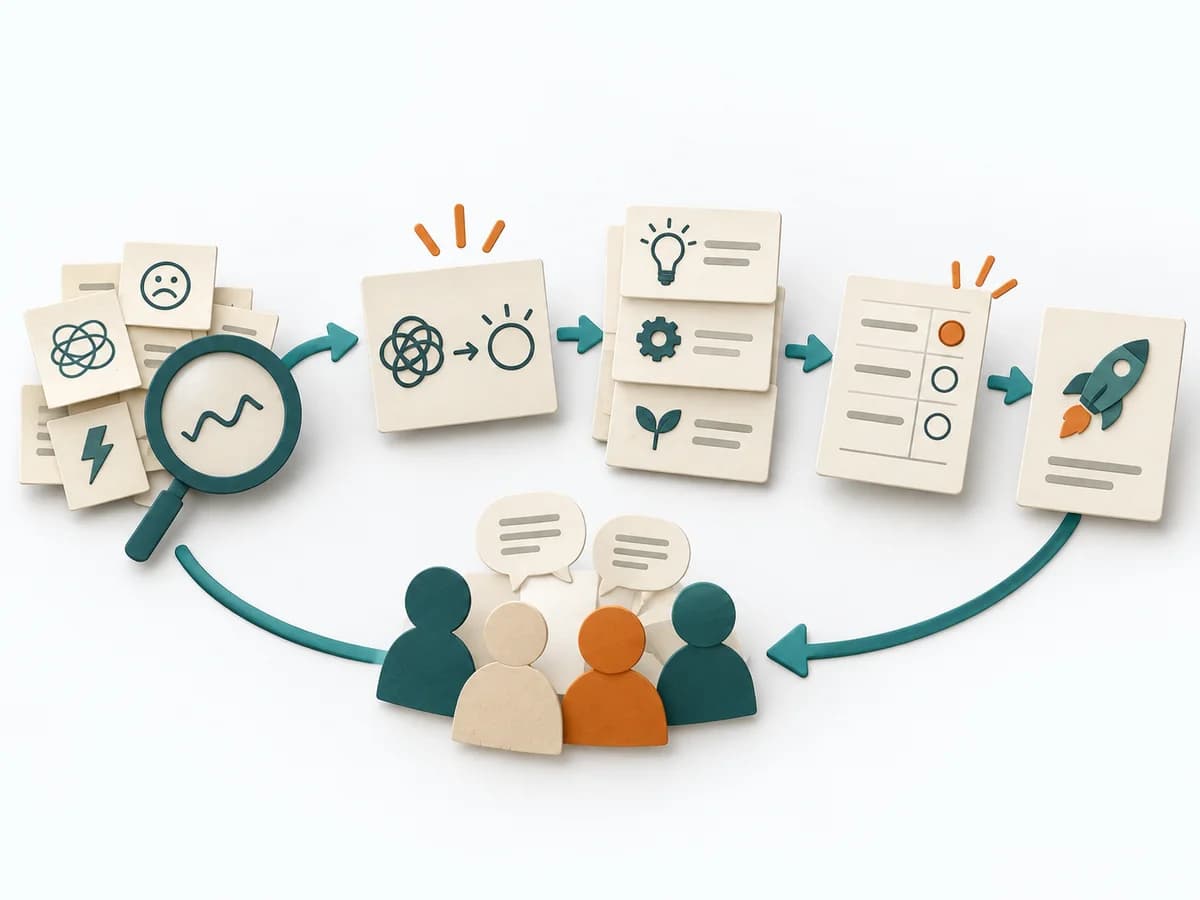
Purposedifferent | In organizations with many stakeholders, it often blurs who actually decides and who is merely consulted. It separates options, evaluation criteria, and open risks. The result is captured as a Decision Rights matrix and an agreement. | When research notes, feedback, or observations sit unconnected side by side, affinity diagramming sorts the raw material into solid themes. Many individual points turn into patterns that make decisions and opportunities clearer. | When a lot is assumed about a target group but little is seen jointly, empathy mapping makes knowledge and gaps directly comparable. The picture also shows which assumptions hold up and where evidence is missing. |
Complexitydifferent | Medium | Low | Low |
Timedifferent | 90-180 min | 45–90 min | 30–60 min |
Participantsdifferent | 4-12 | 3-10 | 4-8 |
Formatsame | Workshop | Workshop | Workshop |
Outputdifferent | Decision Rights Matrix, Agreement | Theme clusters, Insight statements, Opportunity areas | Empathy Map, Assumptions List, Research Gaps |
Tagsno overlap | DecisionGovernanceAlignmentResponsibility | SynthesisQualitativeRoot cause | SynthesisQualitativeWorkshop |
Often compared together
Methods with strong topical overlap with the current selection, not yet in the comparison.