View methods side by side.
Choose up to four methods. Add them using the search and share the comparison by copying its link.
| Criterion | 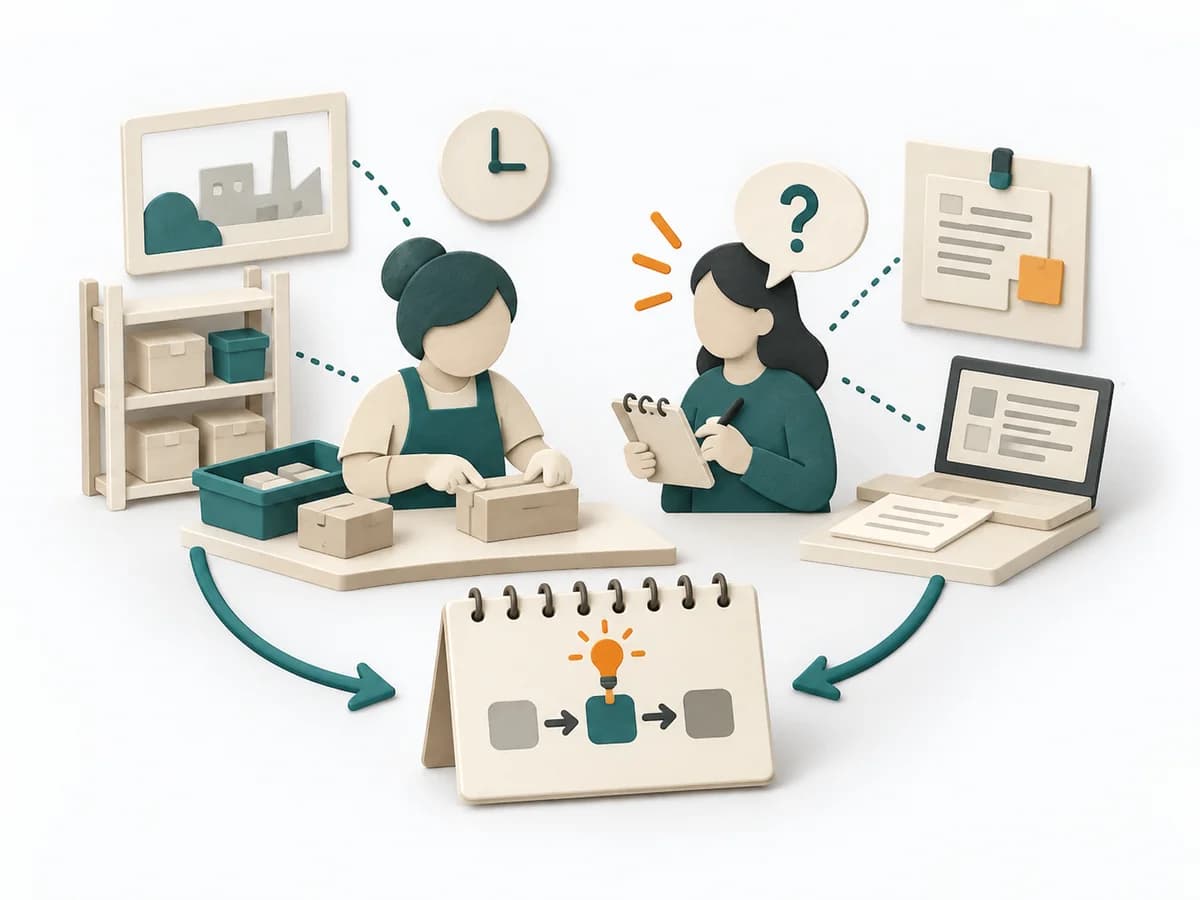 UX Research Contextual Inquiry | 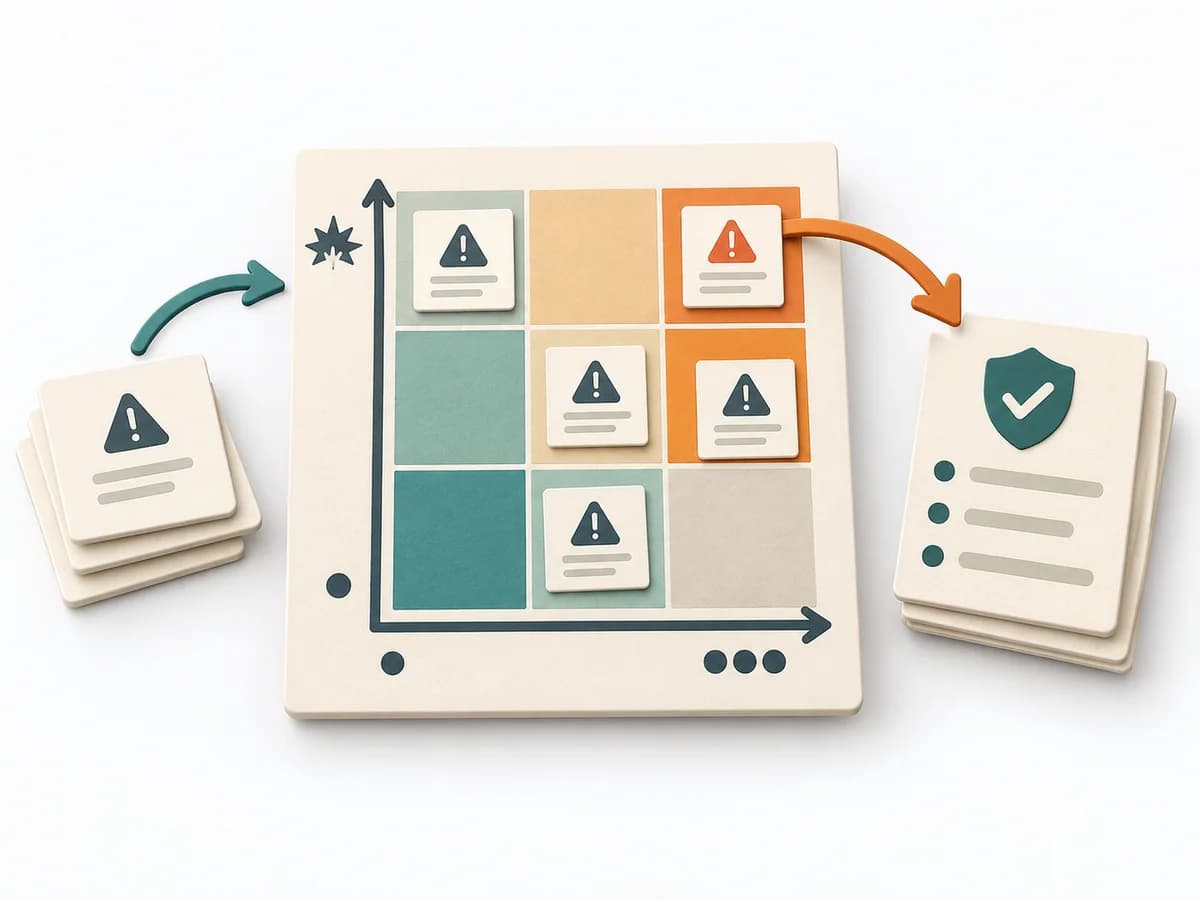 Decision Making Risk Matrix | 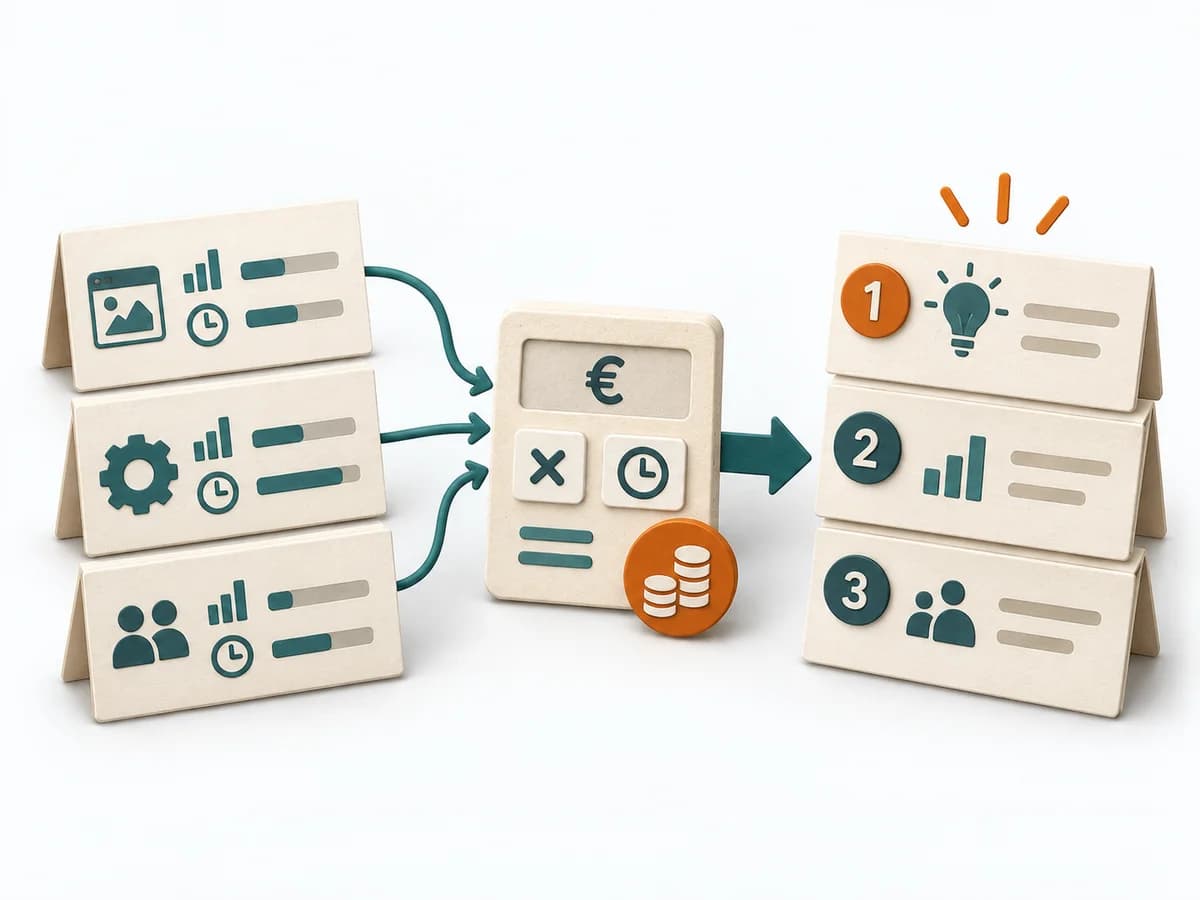 Delivery Cost of Delay |
|---|---|---|---|
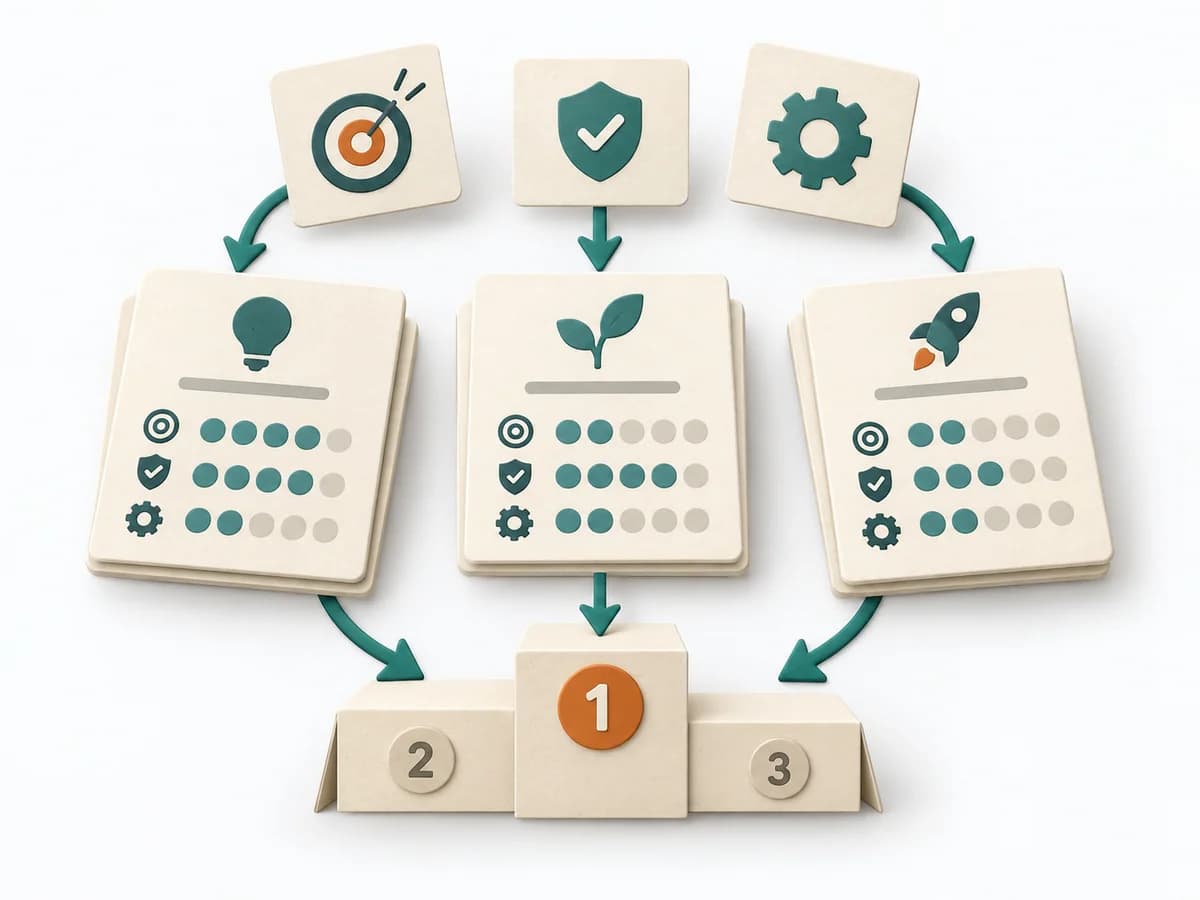
Purposedifferent | When work processes are known only from accounts and the real context stays hidden, Contextual Inquiry makes behavior at the workplace visible. Observation and follow-up questions together show how people actually work, get interrupted, and improvise. | When a project faces many possible disruptions, it quickly becomes unclear which risks deserve attention first. It separates options, evaluation criteria, and open risks. The result is captured as a Risk Matrix and a Top Risk List. | Helps clarify scope, order, and delivery flow in concrete terms. It makes work, constraints, and sequence manageable. The result is captured as a Cost of Delay table and prioritization sequence. |
Complexitydifferent | Medium | Low | High |
Timedifferent | 1-3 Wochen | 30-60 min | 90-180 min |
Participantsdifferent | 4-12 Beobachtungen | 3-10 | 3-8 |
Formatdifferent | Workshop + async | Workshop + async | Workshop |
Outputdifferent | Field Notes, Workflow Insights, Pain Points | Risk Matrix, Top Risk List | CoD Table, Prioritization Sequence |
Tagsno overlap | UX researchObservationContext | RiskDecisionPrioritizationAssessment | PrioritizationDeliveryEconomicsDecision |
Often compared together
Methods with strong topical overlap with the current selection, not yet in the comparison.