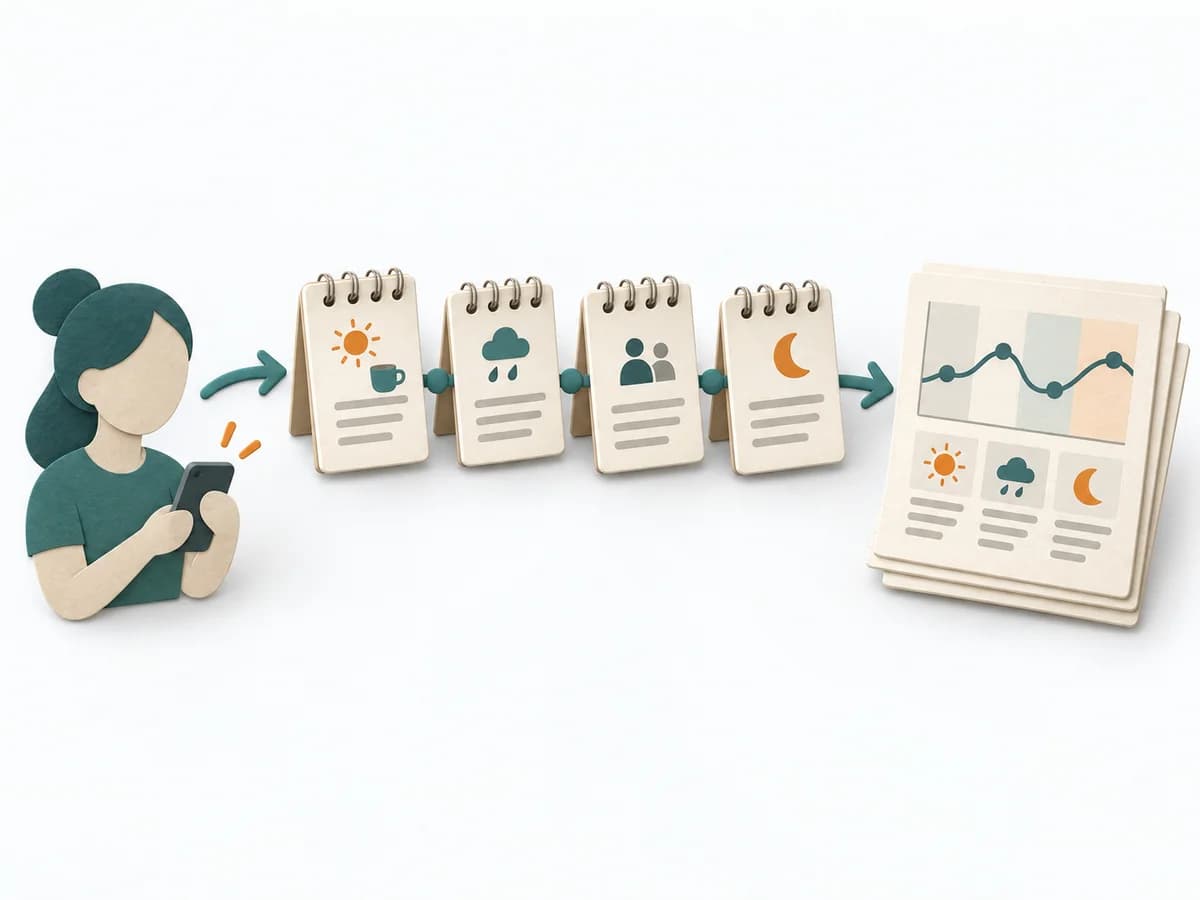
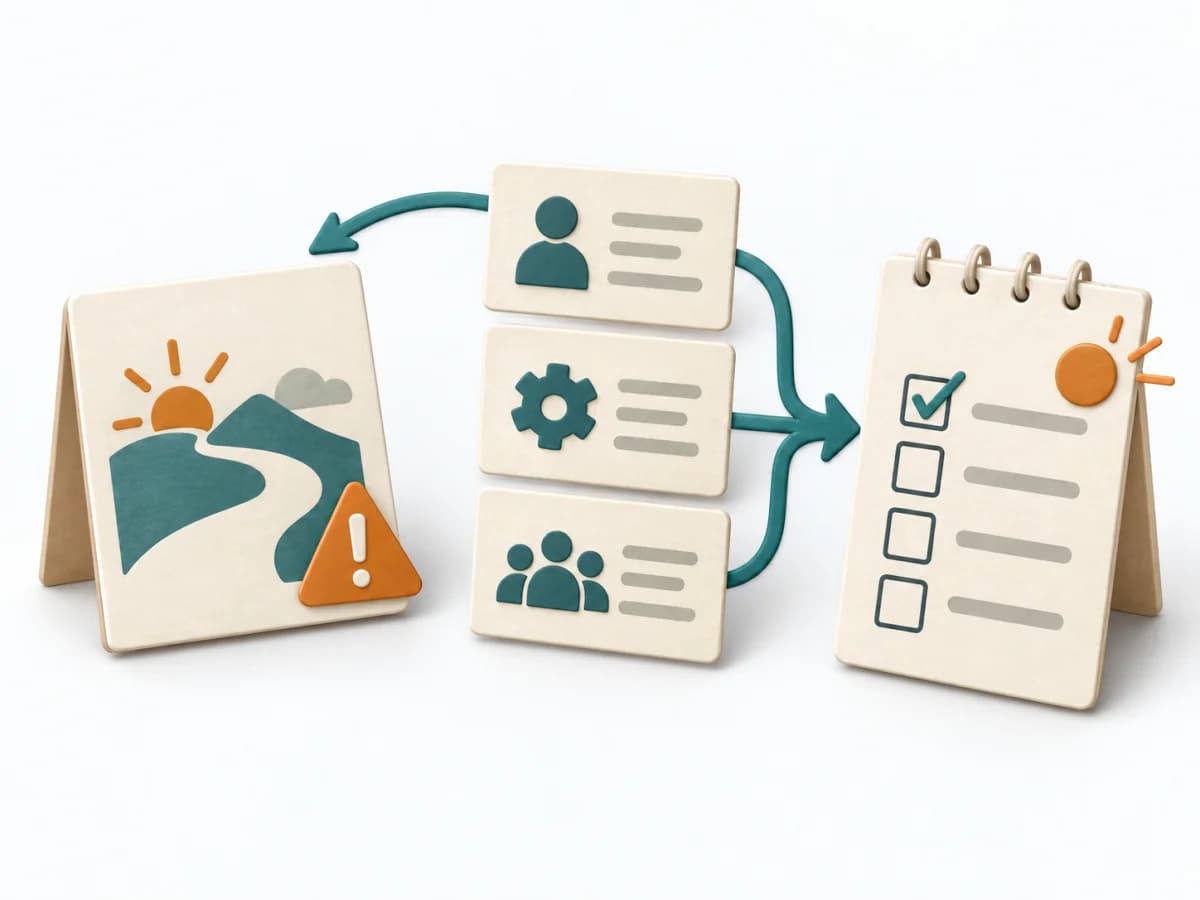
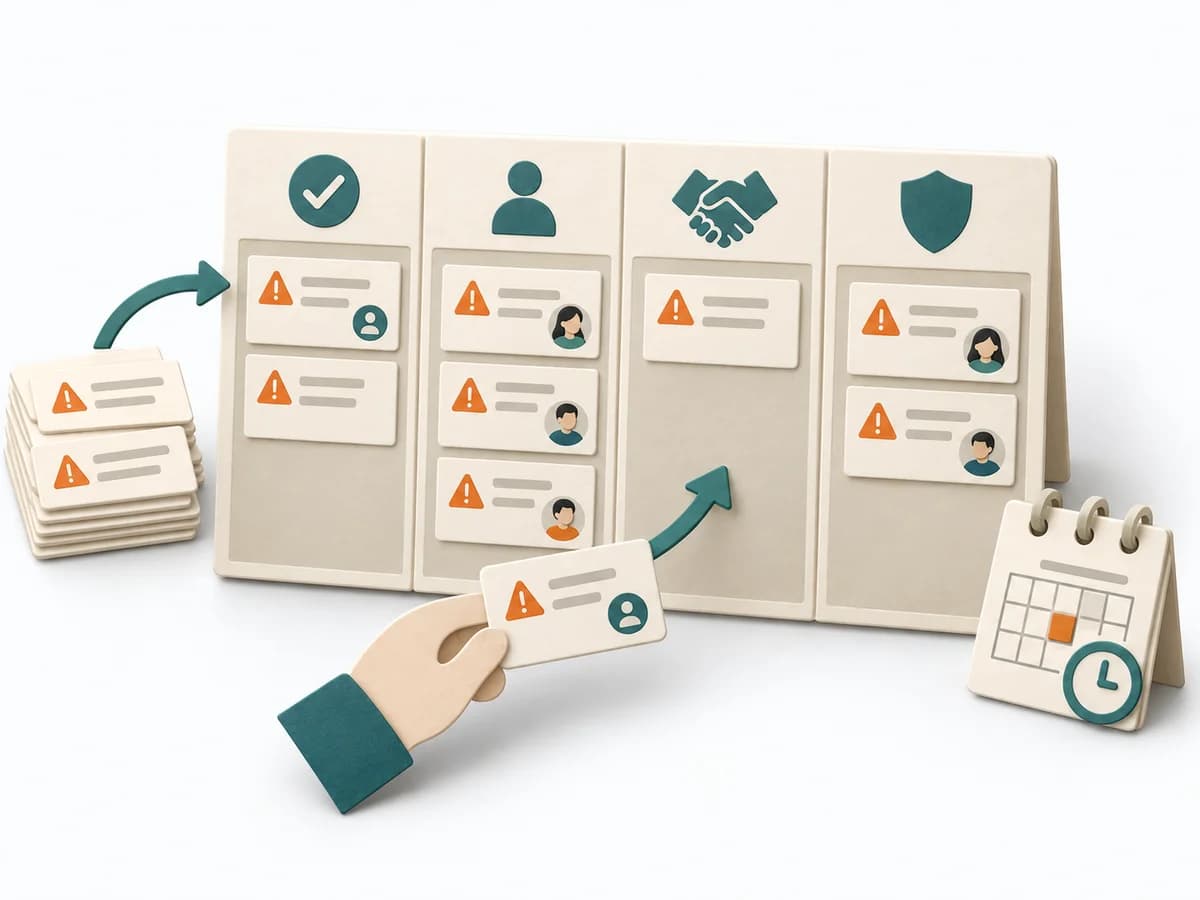
View methods side by side.
Choose up to four methods. Add them using the search and share the comparison by copying its link.
| Criterion | 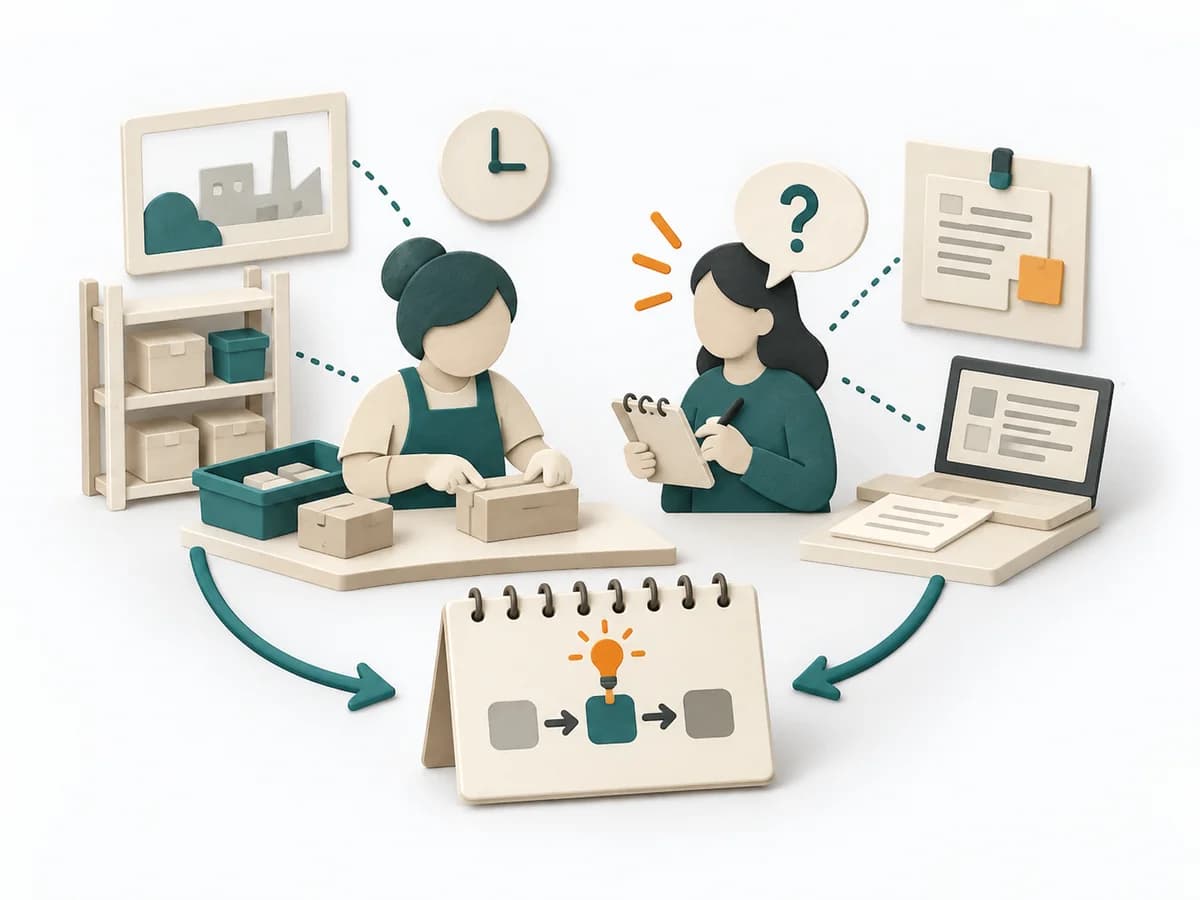 UX Research Contextual Inquiry | 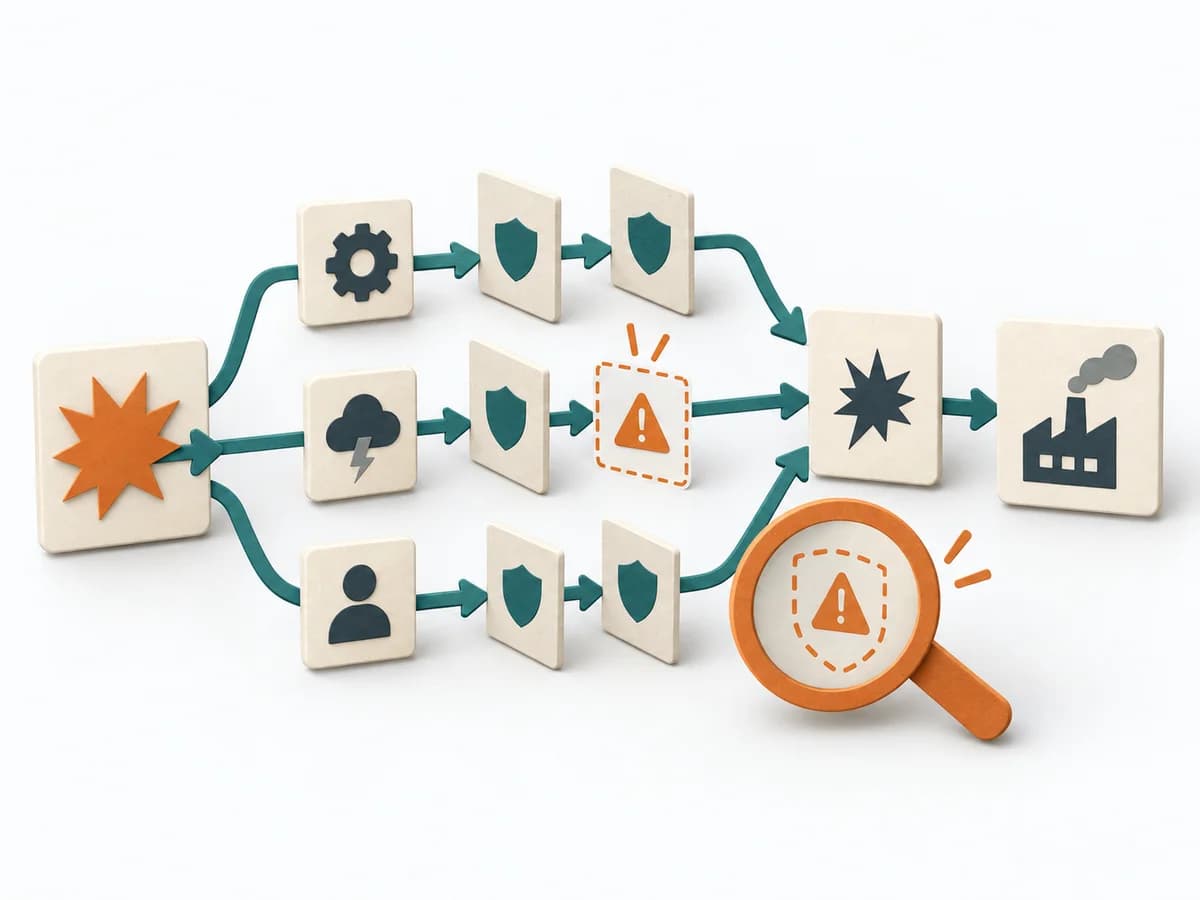 Engineering Failure Scenario Analysis | 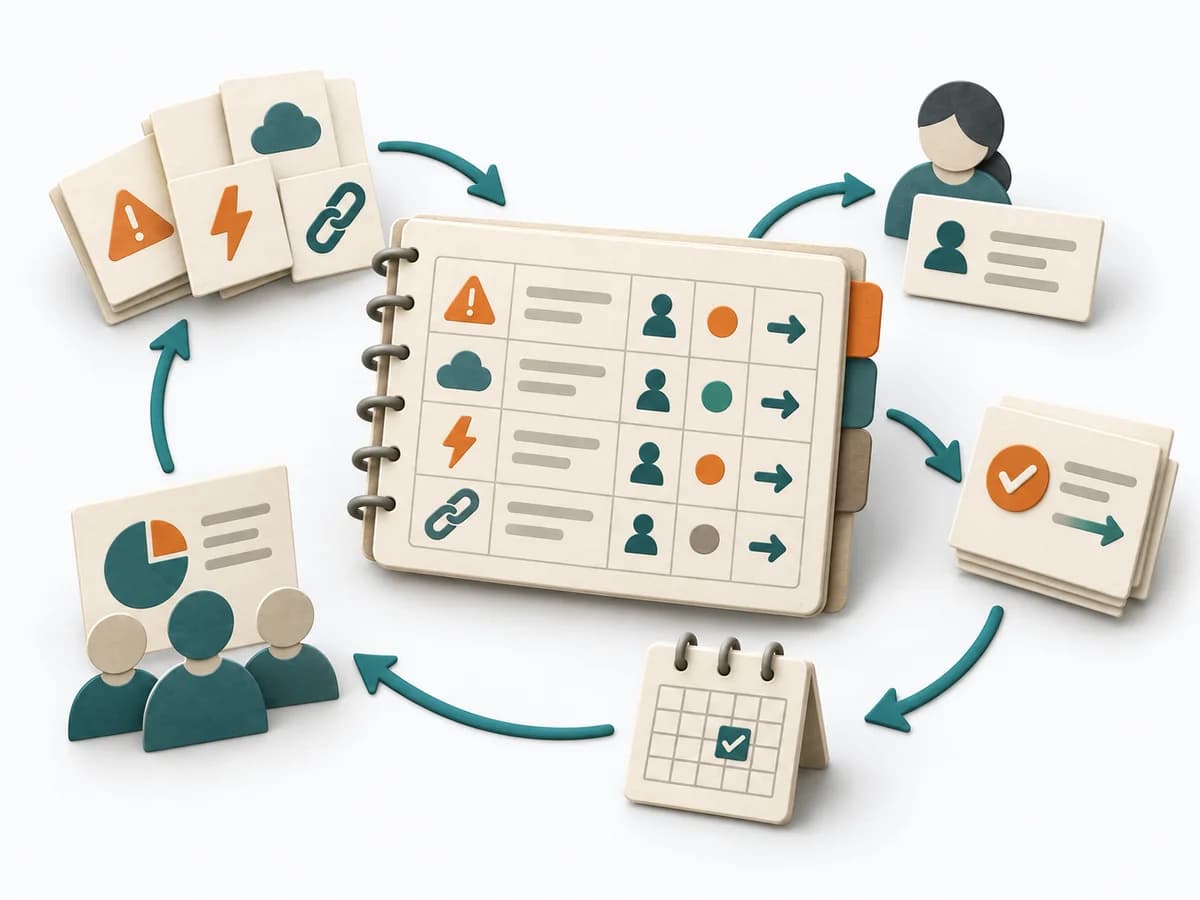 Delivery RAID Log |
|---|---|---|---|
Purposedifferent | When work processes are known only from accounts and the real context stays hidden, Contextual Inquiry makes behavior at the workplace visible. Observation and follow-up questions together show how people actually work, get interrupted, and improvise. | In critical processes, it is not enough to plan only for the normal case. Failure Scenario Analysis looks at the path into failure and shows which failures, chains, and control gaps cause the most damage. | Helps clarify scope, sequence, and delivery flow in concrete terms. It makes work, boundaries, and order steerable. The result is captured as a RAID Log and a source for status reporting. |
Complexitydifferent | Medium | Medium | Low |
Timedifferent | 1-3 Wochen | 1-3 h | 30 min Setup, dann laufend |
Participantsdifferent | 4-12 Beobachtungen | 3-8 | 1-3 maintaining, briefing for everyone |
Formatdifferent | Workshop + async | Workshop | Async |
Outputdifferent | Field Notes, Workflow Insights, Pain Points | Failure Scenarios, Risk Notes, Control Gaps, Test and Response Actions | RAID Log, Status Report Source |
Tagsno overlap | UX researchObservationContext | FailureResilienceRisk | RiskTrackingStakeholdersGovernance |
Often compared together
Methods with strong topical overlap with the current selection, not yet in the comparison.