View methods side by side.
Choose up to four methods. Add them using the search and share the comparison by copying its link.
| Criterion | 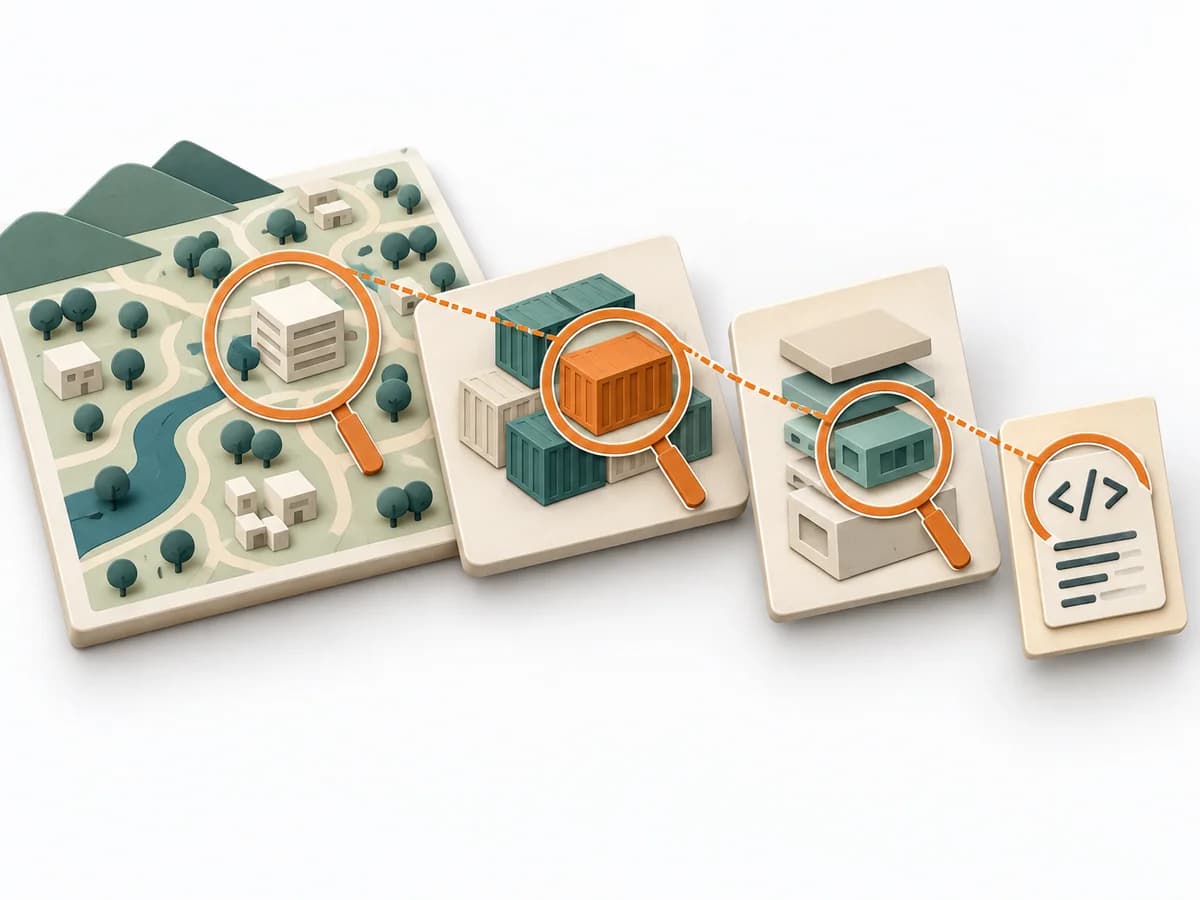 Architecture C4 Model | 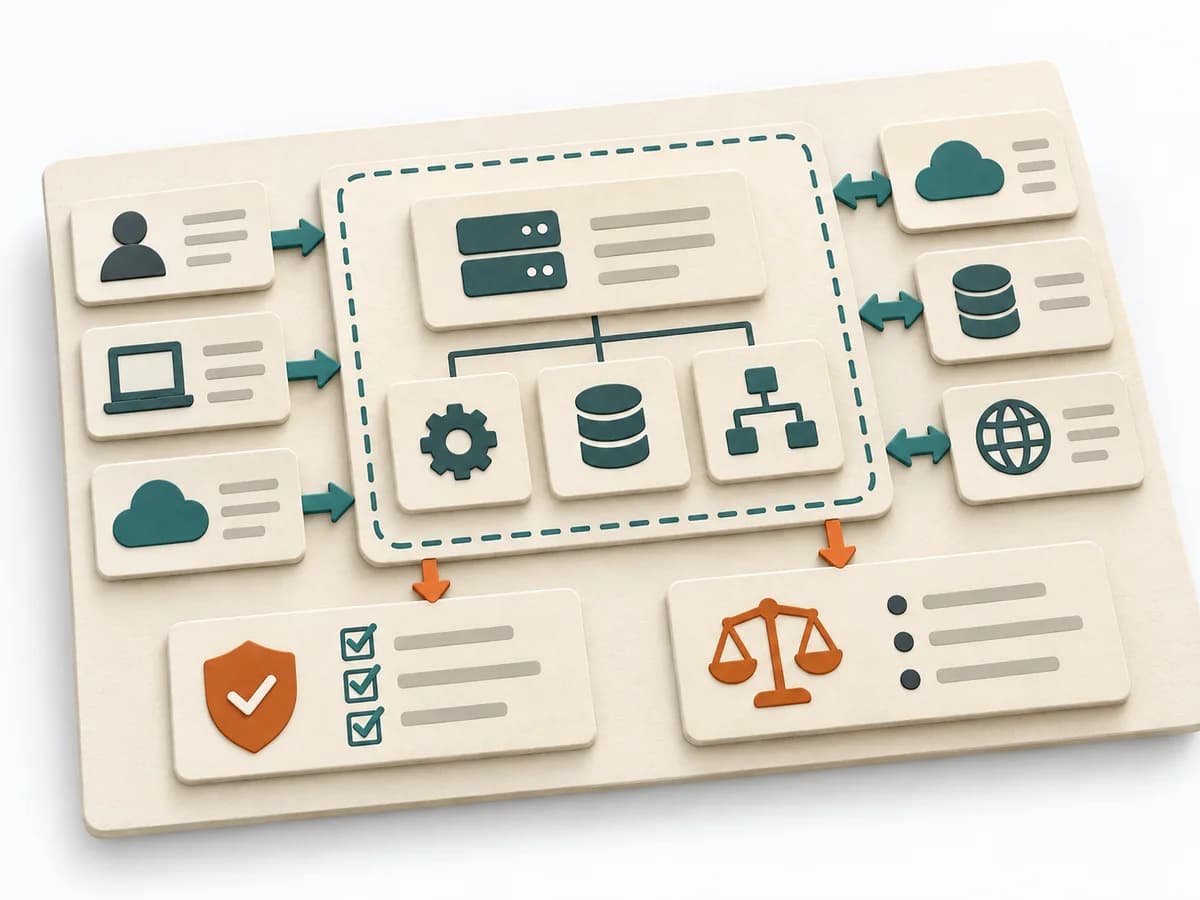 Architecture Software Architecture Canvas |  Agile 4Ls Retrospective |
|---|---|---|---|
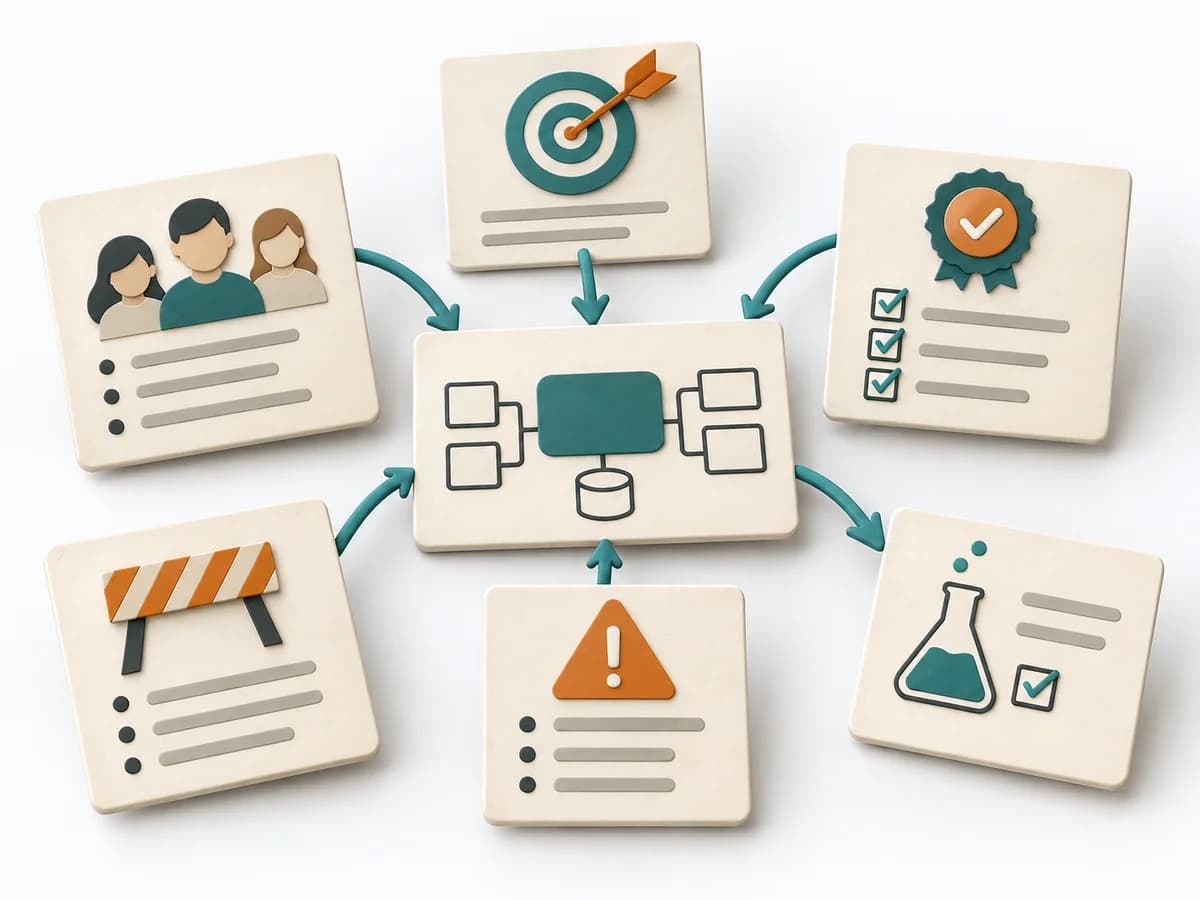
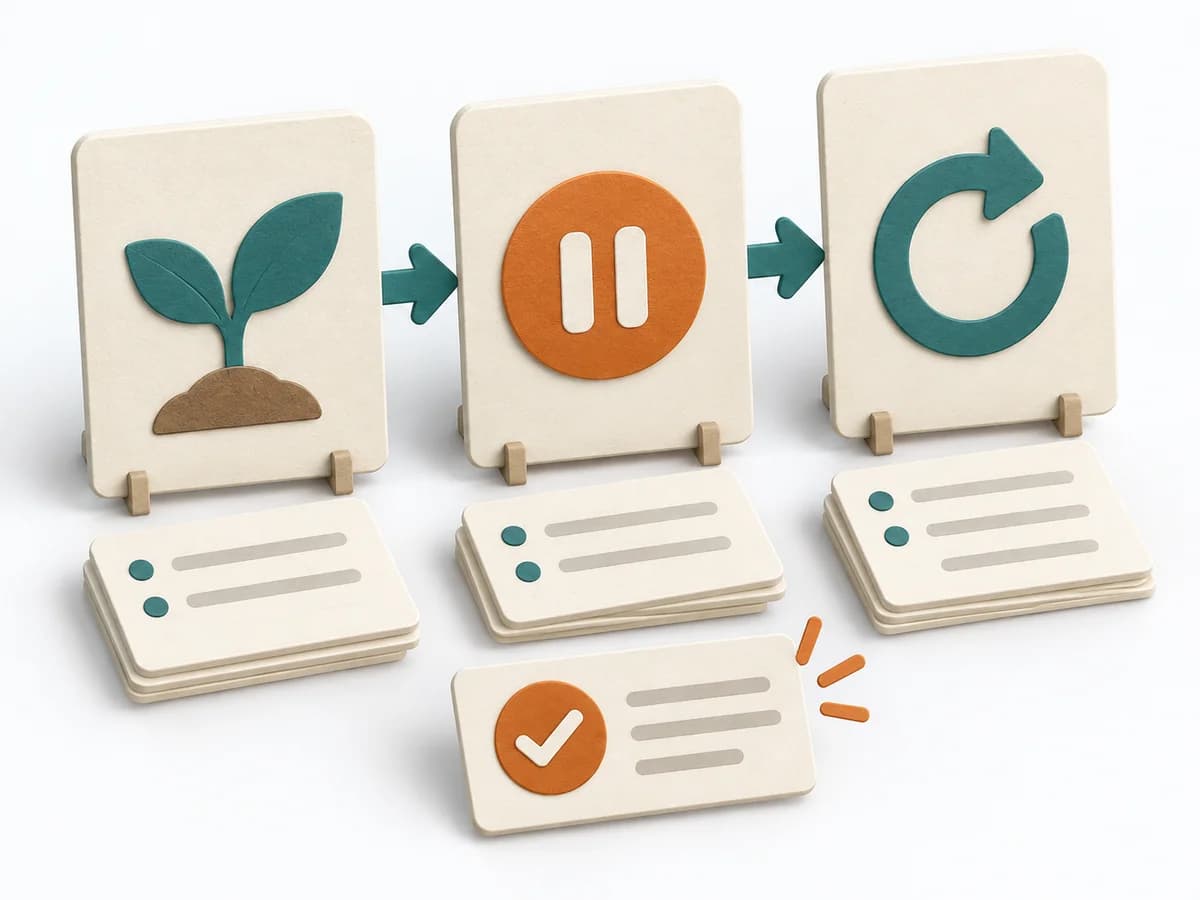
Purposedifferent | The C4 Model makes a system legible across several resolution levels, from context down to code. It suits situations where different audiences need to understand the same architecture from different altitudes. | The Software Architecture Canvas reduces a system to the most important architecture decisions, constraints, and interfaces. It is useful when teams need a resilient overall picture quickly. | When a sprint should not only be assessed but also learned from, it captures experience in clear learning categories. It records what worked, what's missing, and what should run differently next time. |
Complexitysame | Low | Low | Low |
Timedifferent | 1-4 h | 1-2 h | 45–75 min |
Participantsdifferent | 1-5 | 3-10 | Team members involved |
Formatdifferent | Workshop + async | Workshop | Workshop |
Outputdifferent | Context Diagram, Container Diagram, Component Diagram | Architecture Canvas, Goals, Constraints, Quality Attributes | 4Ls Board, Learning Themes, Improvement Actions |
Tagsno overlap | ArchitectureCommunicationVisualization | CanvasArchitectureAlignmentWorkshop | RetrospectiveLearningReflectionTeam |
Often compared together
Methods with strong topical overlap with the current selection, not yet in the comparison.